5 Things That Void Your Roof Warranty Without You Knowing
In this article
TL;DR: Roof warranties get voided all the time, usually by things homeowners never knew were a problem. The five biggest culprits are unlicensed installation, pressure washing, improper ventilation, layering new over old materials, and letting the wrong contractor do repair work. Know these before you need to file a claim.
Why This Actually Matters
A roof warranty feels like insurance. You paid good money for it, the paperwork is in a drawer somewhere, and you assume it has your back. Then a problem shows up, you call the manufacturer, and they deny the claim.
It happens more than people realize, especially here in South Florida where we have aggressive weather, a lot of fly-by-night contractors, and homeowners who are just trying to keep maintenance costs down. The warranty language is not written in your favor. Manufacturers and roofers alike build in conditions that let them walk away from a claim if certain things were done wrong, even if those things seemed completely reasonable at the time.
Let me walk you through the five most common ways I have seen warranties get quietly invalidated.
1. Having an Unlicensed Contractor Install the Roof
This one kills warranties before the shingles are even dry.
Most manufacturer warranties, the ones worth anything, require that the roofing system be installed by a licensed, certified contractor. Some manufacturers go further and require that the contractor be factory-certified for that specific product line. If the person who put your roof on was not licensed in Florida or did not carry the right certifications, the warranty may be void from day one.
This is exactly why storm chasers and lowball bidders are such a problem after a hurricane. They roll into neighborhoods, offer deals that sound too good to be true, collect a deposit, and put materials on your roof in ways that do not meet manufacturer specs. You think you have a 30-year shingle warranty. You do not. You have a piece of paper.
In Florida, roofing contractors must hold a state license. You can verify a license through the Florida Department of Business and Professional Regulation. Our license number is CCC1326328 if you want to look us up.
When you are getting quotes, ask for the license number upfront. If they hesitate or change the subject, that is your answer.
2. Pressure Washing the Roof
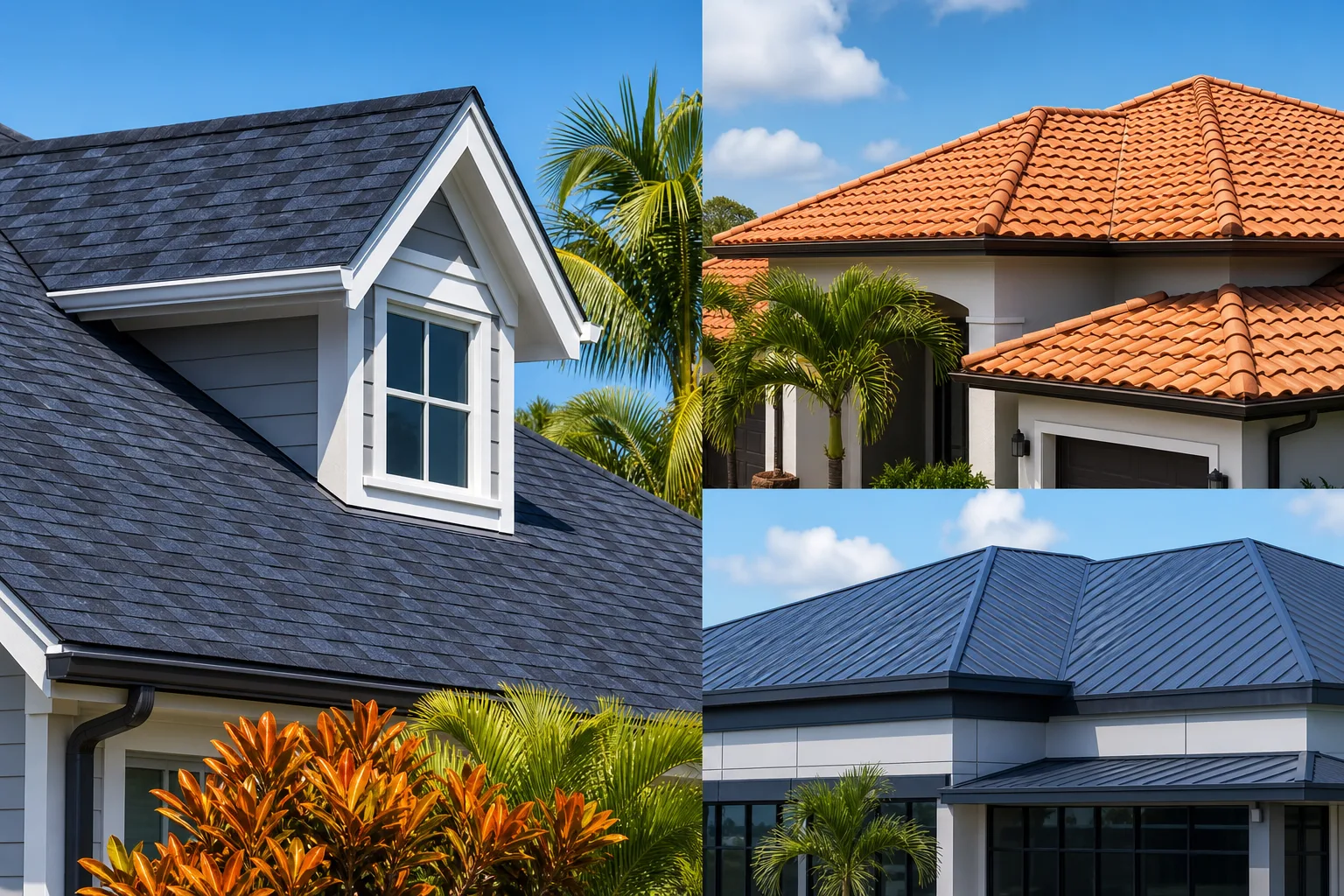
I know it looks good. I understand the impulse. South Florida roofs grow algae and turn black or green, and a pressure washer seems like the obvious fix. But on most roofing systems, especially shingles and tile, high-pressure washing strips protective granules, cracks mortar, and drives water under the system in ways that cause damage over time.
Manufacturers know this. Many of them specifically exclude damage caused by pressure washing in their warranty language. If you had a company come out and blast your roof, and then a leak develops, the manufacturer can point to the pressure washing as the cause and deny the claim.
For algae and mold on shingles, a low-pressure soft wash with the right cleaning solution is the correct method. For tile, it depends on the tile type and the mortar condition. Either way, whoever does it should understand how those specific materials respond to moisture and pressure.
If you are dealing with algae staining and wondering whether your roof underneath is still in good shape, roof repairs start with an honest inspection, not a sales pitch.
Want to know what your roof actually needs? Get a free estimate
3. Inadequate or Modified Attic Ventilation
This one surprises people. Ventilation sounds like an attic issue, not a roofing issue. But from a warranty standpoint, they are connected.
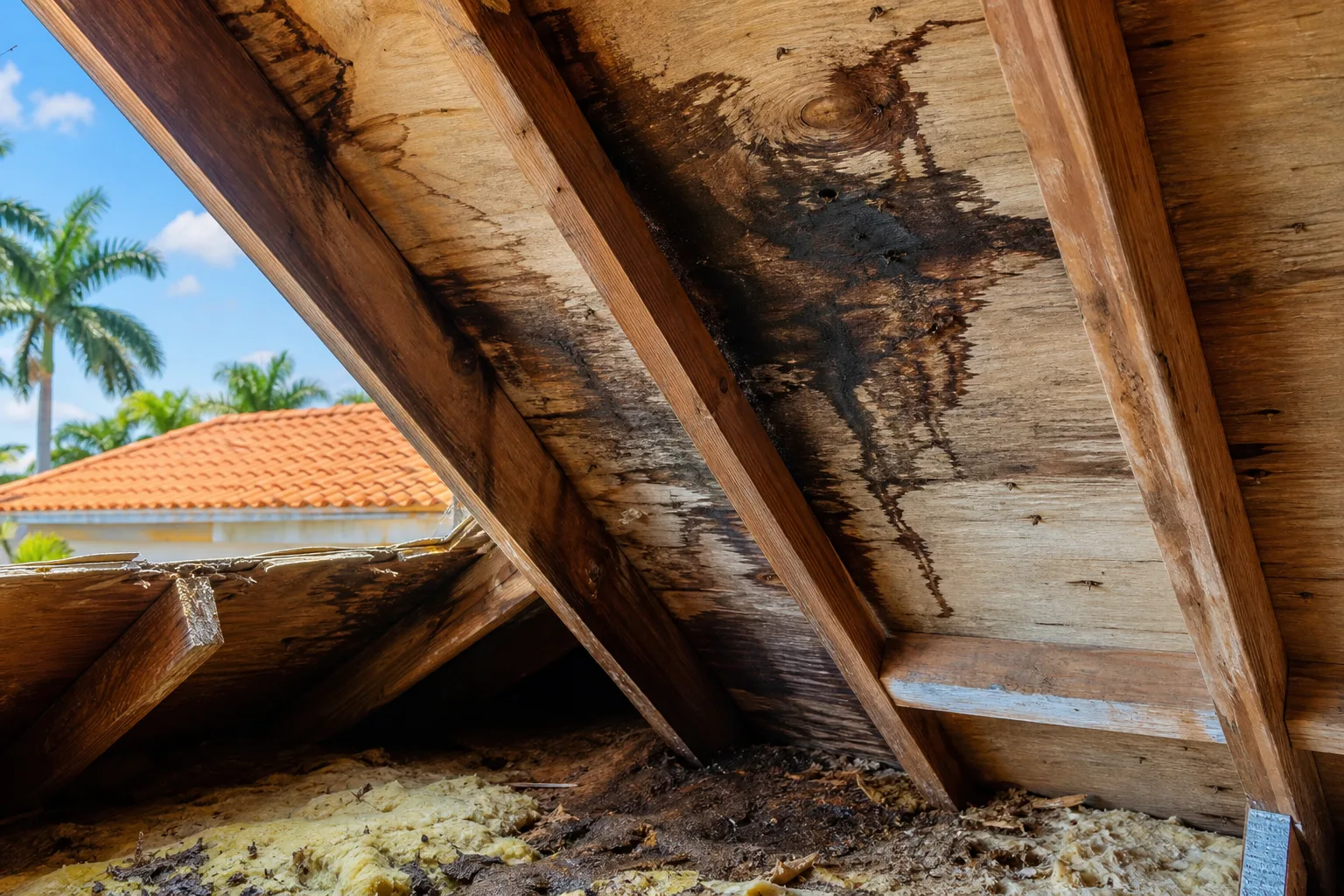
Roofing manufacturers design their products assuming the roof deck will stay within a certain temperature range. If your attic is poorly ventilated, heat builds up against the underside of the deck and accelerates the breakdown of the roofing material above it. Shingle granules shed faster. Adhesives degrade. The system fails earlier than it should.
Here is the trap: homeowners add insulation, convert attic space, or close off vents to save on air conditioning. Any of those changes can reduce airflow below what the manufacturer requires. When the shingles start failing prematurely and you file a warranty claim, the manufacturer sends an inspector. That inspector checks ventilation. If it does not meet the spec, the claim gets denied.
The same issue applies the other direction. If a previous roofer added ventilation incorrectly or cut holes without understanding the system, that can void coverage too.
Ventilation requirements vary by roof type and attic configuration, so what is correct for one home may not be right for another. It is worth confirming your current setup is within manufacturer specs, especially if you have done any work in the attic in the last few years.
4. Installing New Roofing Over Old Materials (Reroofing)
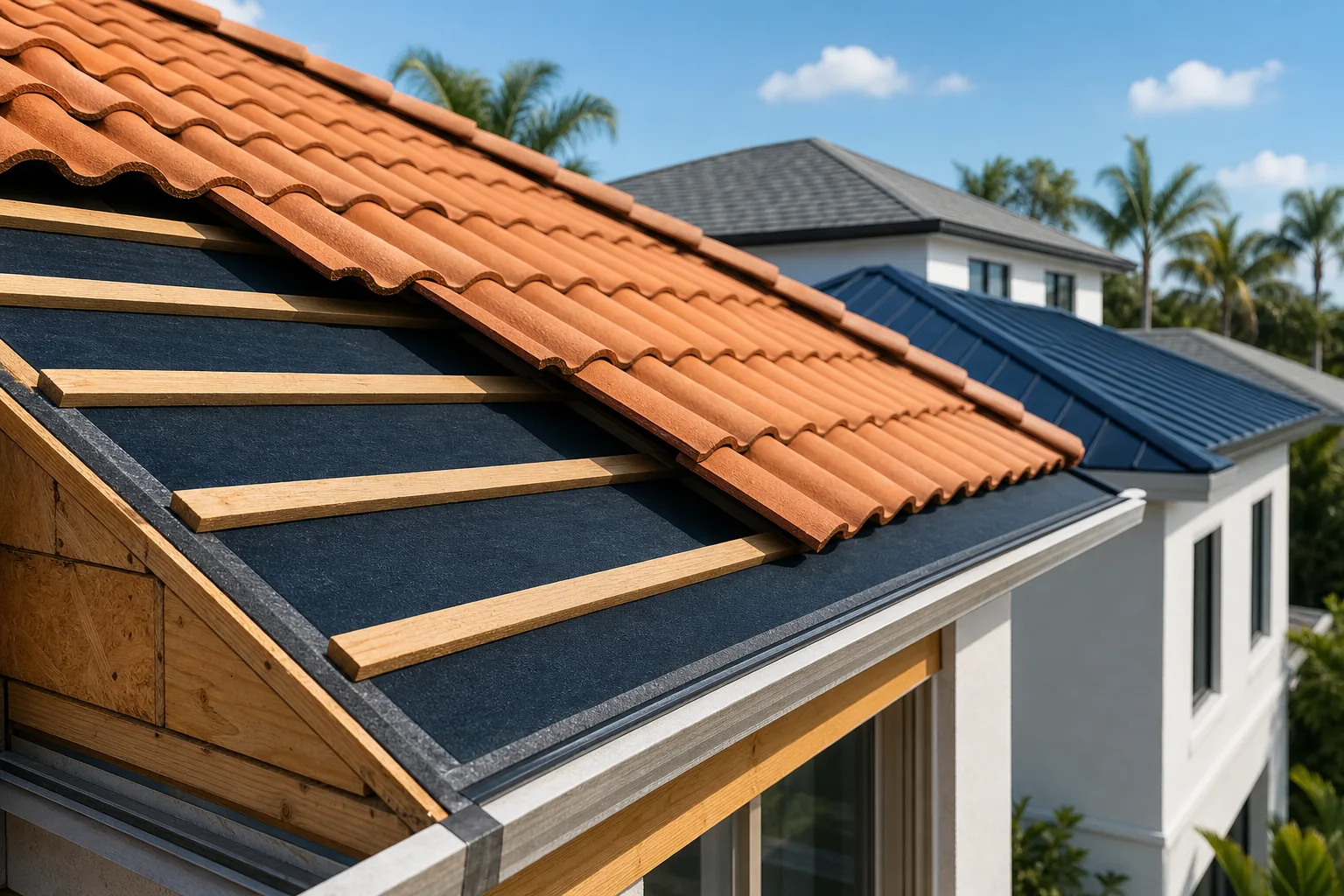
Florida building code limits reroofing, and for good reason. Layering new shingles over old ones adds weight, traps moisture, and prevents a proper inspection of the deck underneath. Most roofing manufacturers explicitly state in their warranty terms that their products must be installed on a clean, solid deck, not over existing material.
If a contractor did a reroof over your old shingles and something goes wrong, you are likely looking at no warranty coverage. The manufacturer can argue, correctly, that the installation did not follow their guidelines.
This is one of the arguments for doing a full replacement the right way. Yes, it costs more upfront. But when you pull the old material, you can see the deck, fix any rot or soft spots, and give the new system what it needs to actually last. That is what we do on every residential roofing job, because cutting that corner creates problems down the road that end up costing more.
If someone gave you a quote that involved layering rather than full tear-off, ask them specifically what the manufacturer warranty says about that installation method. Watch what happens.
5. Letting an Unauthorized Contractor Do Repair Work
Here is a scenario that plays out constantly after storms. A homeowner has a relatively new roof. A contractor, not the original installer, comes out and patches some wind damage or fixes a flashing issue. The homeowner pays a few hundred dollars and thinks the problem is handled.
Then a bigger leak develops. The homeowner files a warranty claim. The manufacturer asks who did the repair work. The original contractor or manufacturer says an unauthorized party modified the roofing system. Claim denied.
Most warranties include language that requires any repair work to be done either by the original installing contractor or by someone specifically approved by the manufacturer. Using anyone else can constitute a modification that voids coverage on part or all of the roof.
After a storm especially, the pressure to get someone out fast is real. But if your roof is still under warranty, that warranty is worth protecting. Call the original contractor first. If they are not available or no longer in business, contact the manufacturer to find out who they will accept for the work.
For storm damage situations specifically, our Hurricane Storm Center has information on how to handle the process correctly so you do not make a bad situation worse.
Bottom Line
Roof warranties are only as good as how they are honored, and manufacturers look for reasons to deny claims. The five things above, unlicensed installation, pressure washing, bad ventilation, layering over old materials, and unauthorized repairs, are exactly the kinds of conditions they look for.
None of these things are secrets. They are right there in the warranty documents most people never read. The best protection is doing everything correctly from the start: licensed contractor, proper installation, no shortcuts, and keeping any future work within the warranty's allowed scope.
If you are not sure where your roof stands or whether past work may have affected your coverage, an honest inspection is the place to start. You can get a free instant estimate or reach out directly if you have specific questions. We have been doing this since 2005 and we are not going anywhere.
Do it right the first time. It really is that simple.
Want to know what your roof actually needs?
Millennium Makeover has been roofing South Florida homes and businesses since 2005. Get a straight, no-pressure estimate from a licensed local crew (CCC1326328).
Frequently asked questions
Does pressure washing really void a roof warranty?
Yes, it can. Many manufacturers specifically exclude damage caused by high-pressure washing from their warranty coverage. In South Florida, where algae growth is common, homeowners often pressure wash without realizing it strips protective granules from shingles or cracks tile mortar, giving the manufacturer grounds to deny a future claim.
How do I know if my roof was installed by a licensed contractor?
You can verify any Florida roofing contractor's license through the Florida Department of Business and Professional Regulation website using their name or license number. A legitimate contractor will give you their license number without hesitation. If the person who installed your roof cannot produce one, your warranty may be void from the start.
Can I use any roofer to make repairs without affecting my warranty?
Not usually. Most roofing warranties require that repairs be made by the original installing contractor or a manufacturer-approved contractor. Using someone outside of that approved group can be treated as an unauthorized modification to the system and may void coverage on the affected area or the entire roof.
What happens to my warranty if I add insulation or close attic vents?
It depends on how much ventilation is reduced and what the manufacturer requires. If changes to your attic drop airflow below the specified minimum, the manufacturer can argue that premature shingle breakdown was caused by heat buildup rather than a product defect. It is worth checking your ventilation setup before making any attic modifications.
Is a warranty still valid if new shingles were installed over old ones?
In most cases, no. Nearly all shingle manufacturers require installation on a clean deck with the old material completely removed. A reroof over existing shingles typically does not meet that spec, which means the warranty may not be valid. This is one of several reasons why a full tear-off is the correct way to do a replacement.
What should I do if I think my warranty may have been voided?
Start by reading the actual warranty document, not just the summary card. Look for sections on installation requirements, authorized repairs, and maintenance obligations. If you are unsure, contact the manufacturer directly and ask them to clarify your coverage status. A licensed local contractor can also inspect the roof and tell you whether the installation or any past work appears to fall outside standard warranty conditions.