Residential Roofing South Florida
Roofing systems selected for Florida's climate. Serving South Florida under license CCC1326328 since 2005.
Roofing Protection for South Florida Homes
Documented Materials. Project-Specific Installation. Written Support Terms.
In South Florida, a roof must address intense sun, wind-driven rain, salt exposure and project-specific wind-design requirements. Millennium Makeover, Inc. has provided licensed Florida roofing services under CCC1326328 since 2005.
Residential work begins with an assessment of the existing roof, architecture, HOA requirements, budget and owner priorities. The proposal should identify the selected assembly, Florida Product Approval information, permitting responsibilities and written scope.
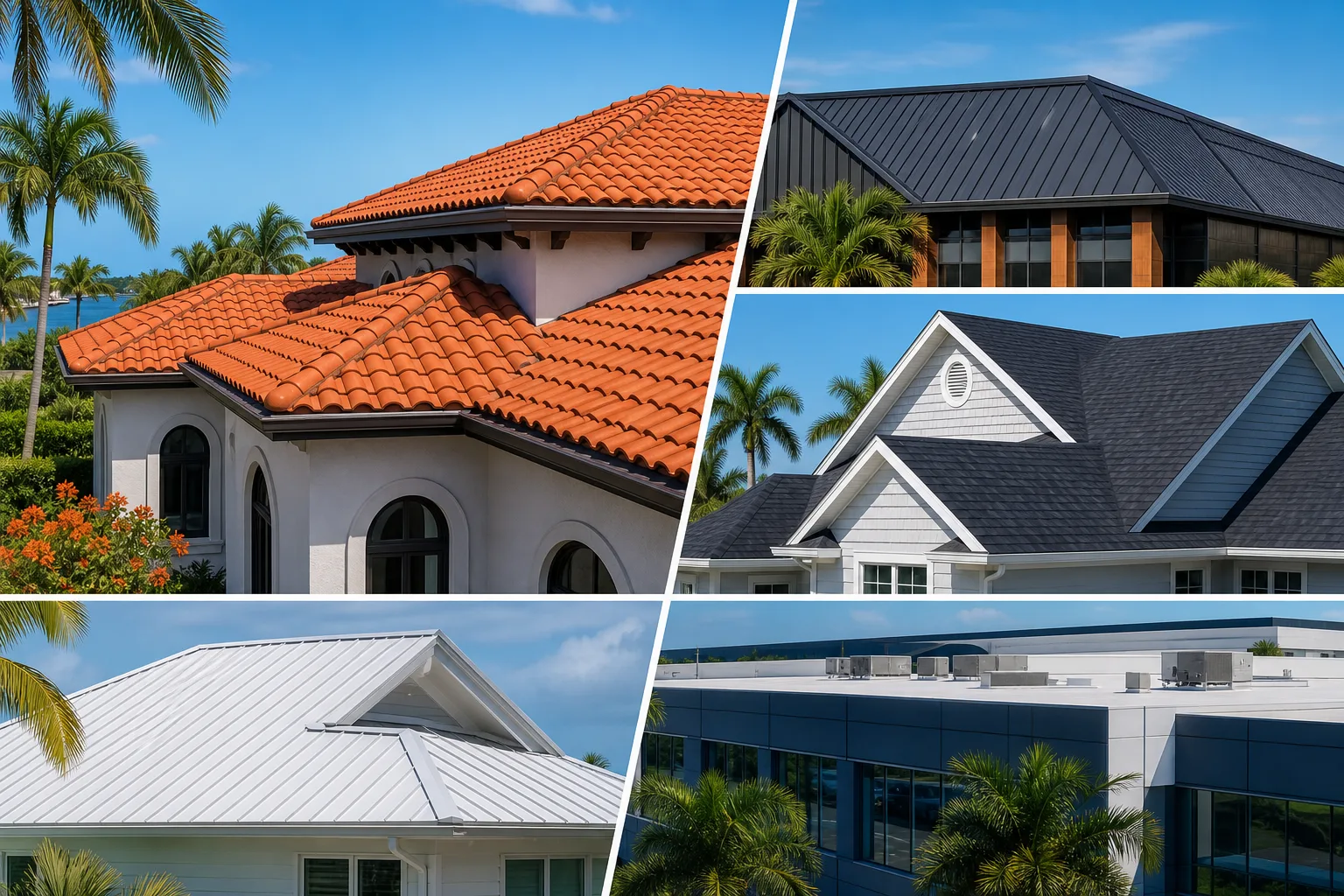
Clay and concrete tile, asphalt shingles, metal and low-slope systems each have different structural, maintenance, energy and warranty considerations. We compare available product documents and project conditions rather than promise a universal performance or savings result.


Roofing Material Options for South Florida Homes
Compare approved products and complete assemblies for the property
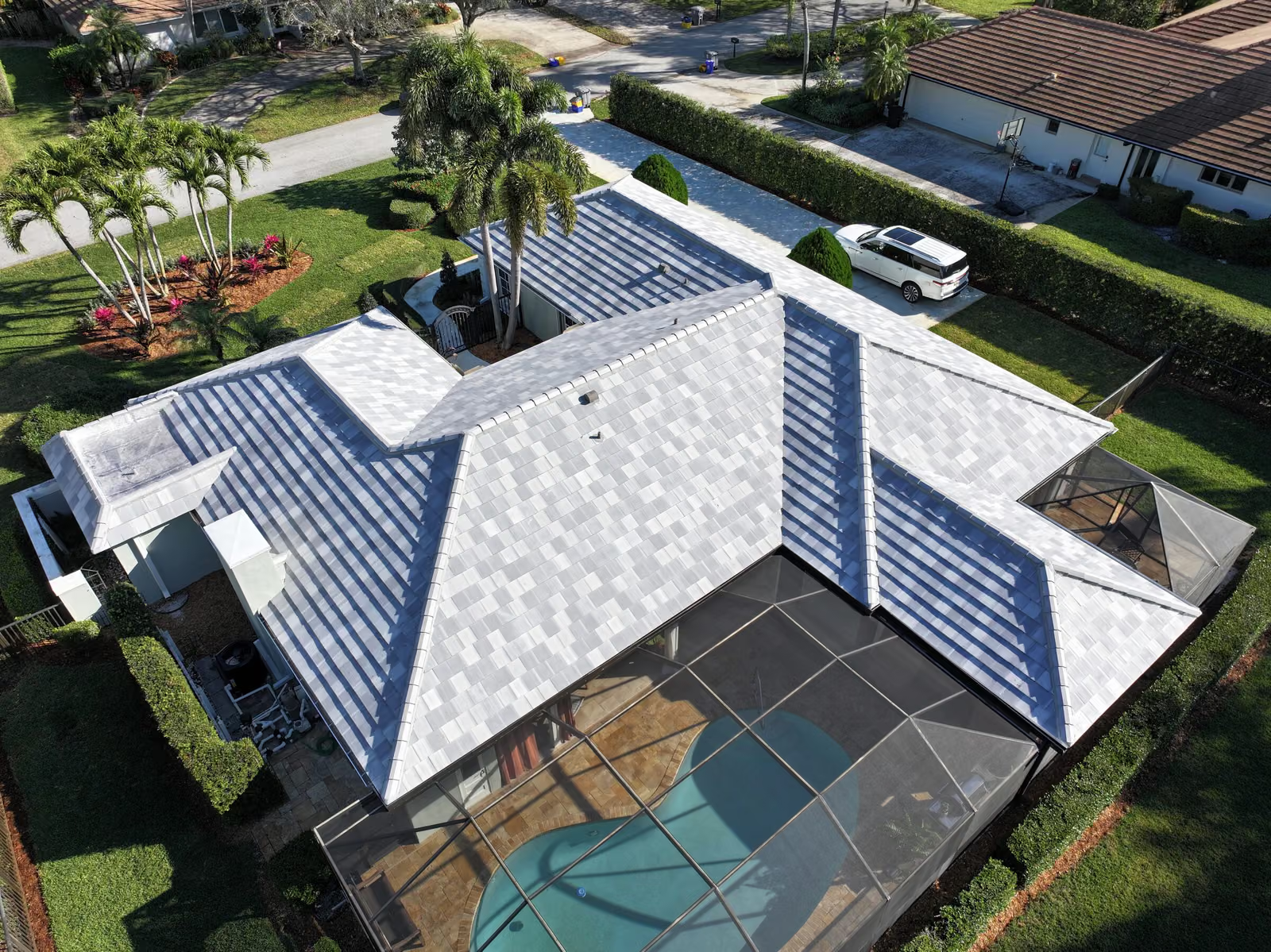
Clay & Concrete Tile Roofing - Tile is a well-established South Florida option with varied profiles, weights, attachment methods and manufacturer terms. Structural capacity, underlayment, flashing, approved attachment and design pressures must be evaluated for each building; no material category alone establishes lifespan, wind performance or cooling savings.
Architectural Asphalt Shingles - Modern architectural shingles are available in varied wind, impact, algae-resistance and warranty tiers. Product approval, installation instructions, design pressures and project conditions—not the brand name alone—determine whether a shingle system is appropriate for a South Florida roof.
Metal Roofing Systems - Standing seam and exposed-fastener profiles have different substrates, coatings, attachment details and maintenance needs. Reflective finishes may affect heat gain, but actual energy performance depends on the complete roof and building assembly. Fire, wind, corrosion, acoustic, insurance and warranty claims should be checked against the selected product documents and project conditions.
Flat & Low-Slope Solutions - TPO, EPDM and modified-bitumen systems may be appropriate for certain low-slope roofs. Membrane choice, drainage, attachment, flashing and seam details are evaluated against the existing conditions, approved system and written manufacturer instructions.
Roofing Design Considerations for South Florida
"Weather exposure and project conditions inform product and assembly decisions."
Designed Around Approved Assemblies
South Florida roofing must account for sustained UV exposure, heat, moisture and coastal conditions. Product data, approved uses and maintenance requirements should be reviewed for the selected material rather than relying on a broad durability claim.
Wind-resistance decisions are based on the applicable Florida Building Code, jurisdiction, design pressures, roof zones, substrate, approved attachment and manufacturer instructions. No universal wind rating is promised for a material category or completed property.
Salt exposure can accelerate corrosion. Fastener, flashing and trim materials should be selected for the product, coastal exposure and approved detail, while penetration details should follow the written flashing and water-management scope.
Thermal movement, ventilation, insulation, air sealing, roof geometry and building use can affect a roof assembly. Product instructions and project conditions should guide expansion, fastening and ventilation details rather than a universal temperature or performance claim.
Comparing Roofing Scope and Long-Term Considerations
Manufacturer and workmanship warranties vary by selected system, eligibility, maintenance and written terms. Review the actual warranty documents for the proposed project before relying on a coverage period.
Energy Considerations - Roof color, reflectance, insulation, ventilation, attic configuration, air sealing, building use and weather all affect energy performance. Product documentation and an address-specific building evaluation are more reliable than a universal savings percentage.
Insurance Documentation - Eligibility and premium changes depend on the carrier, policy, inspection, approved product and completed work. We provide available permits, product and project documentation, but no discount or claim outcome is guaranteed.
Appearance and Resale Context - Roof condition and appearance may matter to owners, buyers and appraisers, but sale timing and property value depend on the broader market and property. We do not promise a resale increase or faster sale.
HOA Compliance & Permitting - Permit, inspection and HOA-submission responsibilities should be identified in the written scope. Approval timing and documentation requirements are controlled by the applicable authority or association and cannot be guaranteed.
Reviewing Warranty Terms
Manufacturer and workmanship coverage varies by selected system, eligibility, registration, maintenance, exclusions and the written proposal. Review the actual documents for the project before relying on a coverage period or remedy.
GAF lists Millennium Makeover as a GAF Certified™ Commercial Contractor. Other product eligibility and warranty options depend on the selected system and current manufacturer requirements; the written proposal should name the applicable credential and warranty rather than imply a blanket certification.
Post-installation questions and warranty requests are handled according to the contract and applicable written warranty. Millennium Makeover has held Florida roofing license CCC1326328 since 2005; future availability or a particular warranty outcome is not guaranteed beyond those written terms.
Ready to Review Your Roof?
Discuss the roof condition, available systems and the documentation needed for an address-specific proposal.
Our Residential Installation Process
A documented sequence from assessment through closeout
Inspection & Estimate
We document accessible roof conditions, collect project measurements and discuss goals, scope assumptions and budget.
- Accessible-condition inspection
- Detailed written estimate
- Material recommendations
- Timeline proposal
Material Selection & Permitting
Compare roofing systems while the written scope identifies permit and HOA-submission responsibilities.
- View material samples
- Review warranty options
- Submit permit applications
- HOA architectural review
Pre-Installation Preparation
The work area, material delivery, access and inspection logistics are reviewed before installation.
- Deliver materials to site
- Prepare designated landscaping areas
- Schedule inspections
- Final walkthrough
Installation
Our installation crews follow the approved product instructions, permitted scope and project-specific details.
- Remove old roofing
- Inspect and repair decking
- Install underlayment
- Install finish roofing
Quality Inspection & Cleanup
Project and required jurisdictional checks are completed before closeout and cleanup.
- Multi-point quality inspection
- Building department inspection
- Complete site cleanup
- Magnet sweep for nails
Final Walkthrough & Warranty
We review the completed work, answer questions and provide the warranty documents applicable to the selected system and written scope.
- Project walkthrough
- Care & maintenance guide
- Warranty registration
- Applicable post-project contact terms
Frequently Asked Questions
How long does a residential roof installation take in South Florida?
What roofing materials are best for hurricane protection in Florida?
How much does a new residential roof cost in South Florida?
Do I need permits for residential roof replacement in South Florida?
What roof maintenance is needed in South Florida's climate?
Can a new roof lower my homeowners insurance premiums?
How do I choose between tile, shingle, and metal roofing for my home?
Request a Roofing Inspection
Our team can assess the visible roof conditions, discuss available options and provide a written estimate for the property.
Related Roofing Guides
More on residential roofing from our South Florida roofing team.
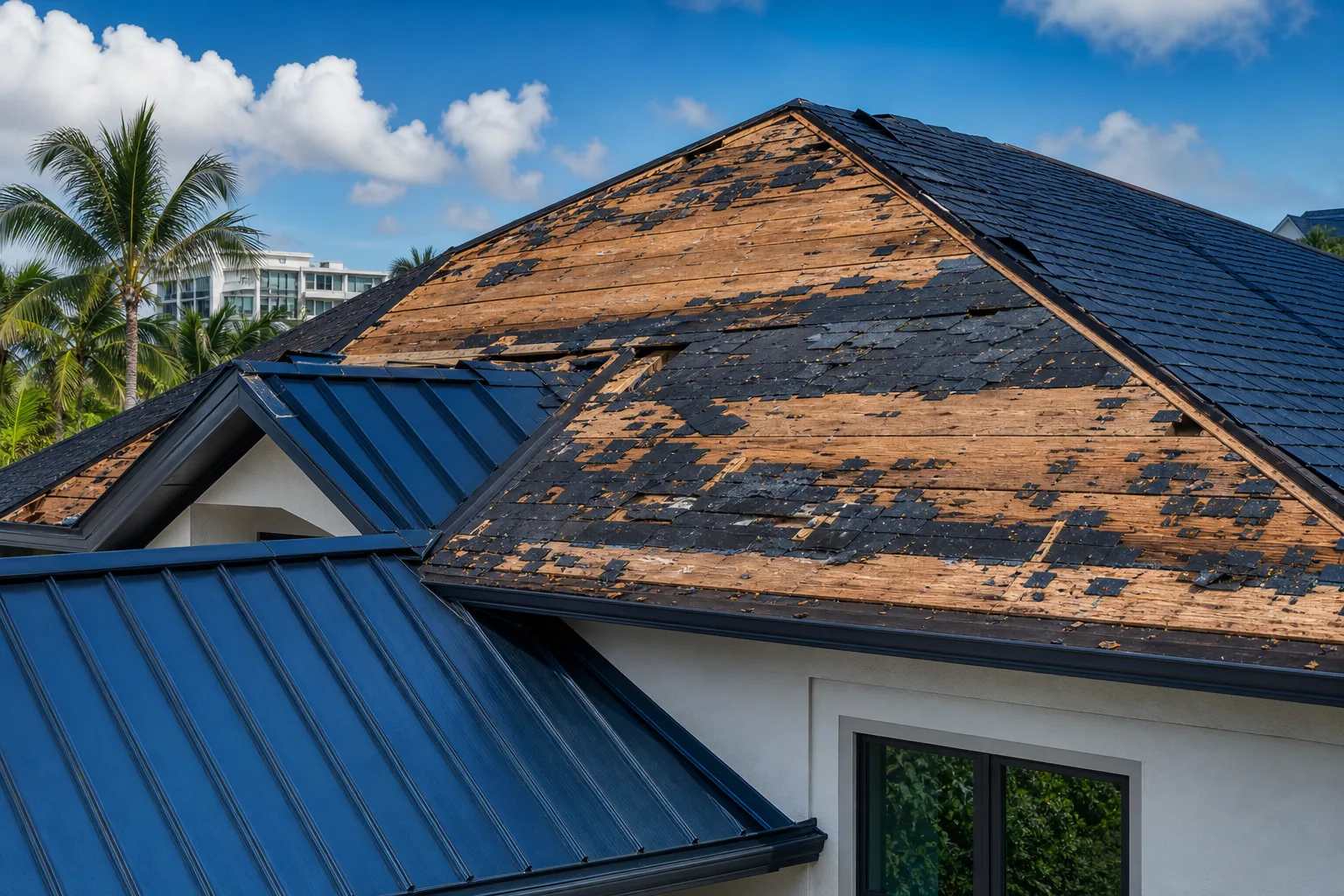
What the Tear-Off Phase of a Roof Replacement Actually Reveals
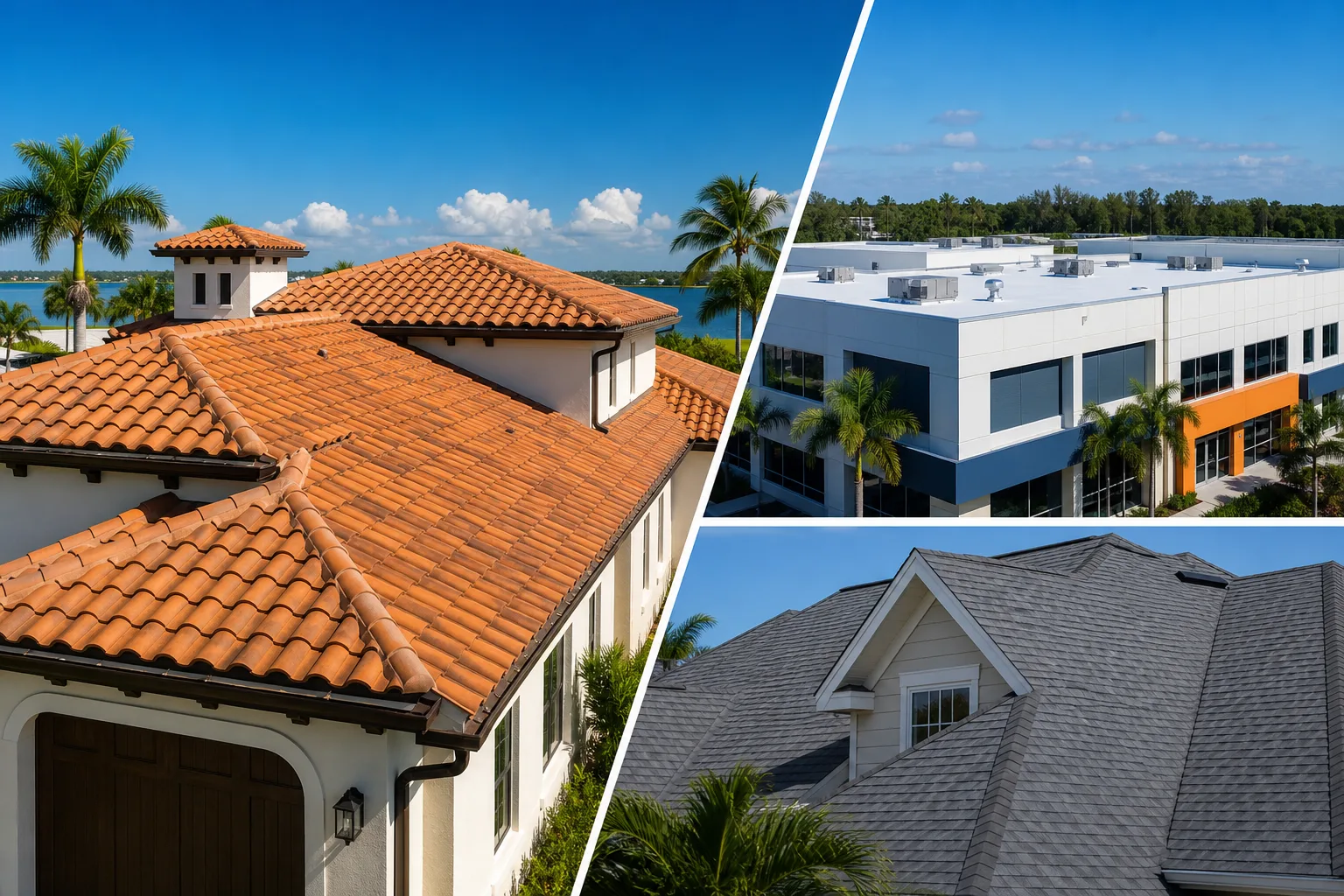
Can You Stay Home During a Roof Replacement?