Boynton Beach Roof Replacement: Costs, Timeline & Materials
In this article
TL;DR: A Boynton Beach roof replacement typically runs four to eight days of actual work, with material costs and permitting being the two biggest variables. Tile lasts longest in South Florida's climate but costs more upfront. Shingle and metal are both solid options depending on your budget and HOA rules. Get at least two itemized bids before signing anything.
What's Actually Driving Roof Replacement in Boynton Beach Right Now
Boynton Beach sits squarely in Palm Beach County's wind zone, which means any roofing job here is governed by Florida Building Code requirements that are stricter than most of the country. Add in the salt air from the coast, the summer heat cycling, and the ongoing pressure from insurance carriers to document roof age and condition, and you've got a market where roof replacement inquiries are steady year-round.
The most common situation I walk into is a homeowner whose insurance company has flagged a roof that's over 15 years old, or one that took damage during a named storm and now has a claim in progress. A smaller but growing group are buyers and sellers who need a roof inspection completed before closing. In all three cases, the need is real and the timeline matters.
If your situation involves recent storm damage, our Hurricane Storm Center has specific guidance on documentation and next steps before you commit to a contractor.
Why the Cost of a Boynton Beach Roof Replacement Varies So Much
The single question I get most often is: "What's this going to cost me?" The honest answer is that it depends on four factors, and every one of them changes the number significantly.
Roof size and complexity. Square footage is the starting point, but pitch and complexity matter just as much. A flat 1,800-square-foot roof on a ranch home is a very different job than an 1,800-square-foot footprint on a two-story with multiple hips, valleys, and skylights. Steep pitches require more labor time and safety equipment. Valleys and penetrations add material and flashing work.
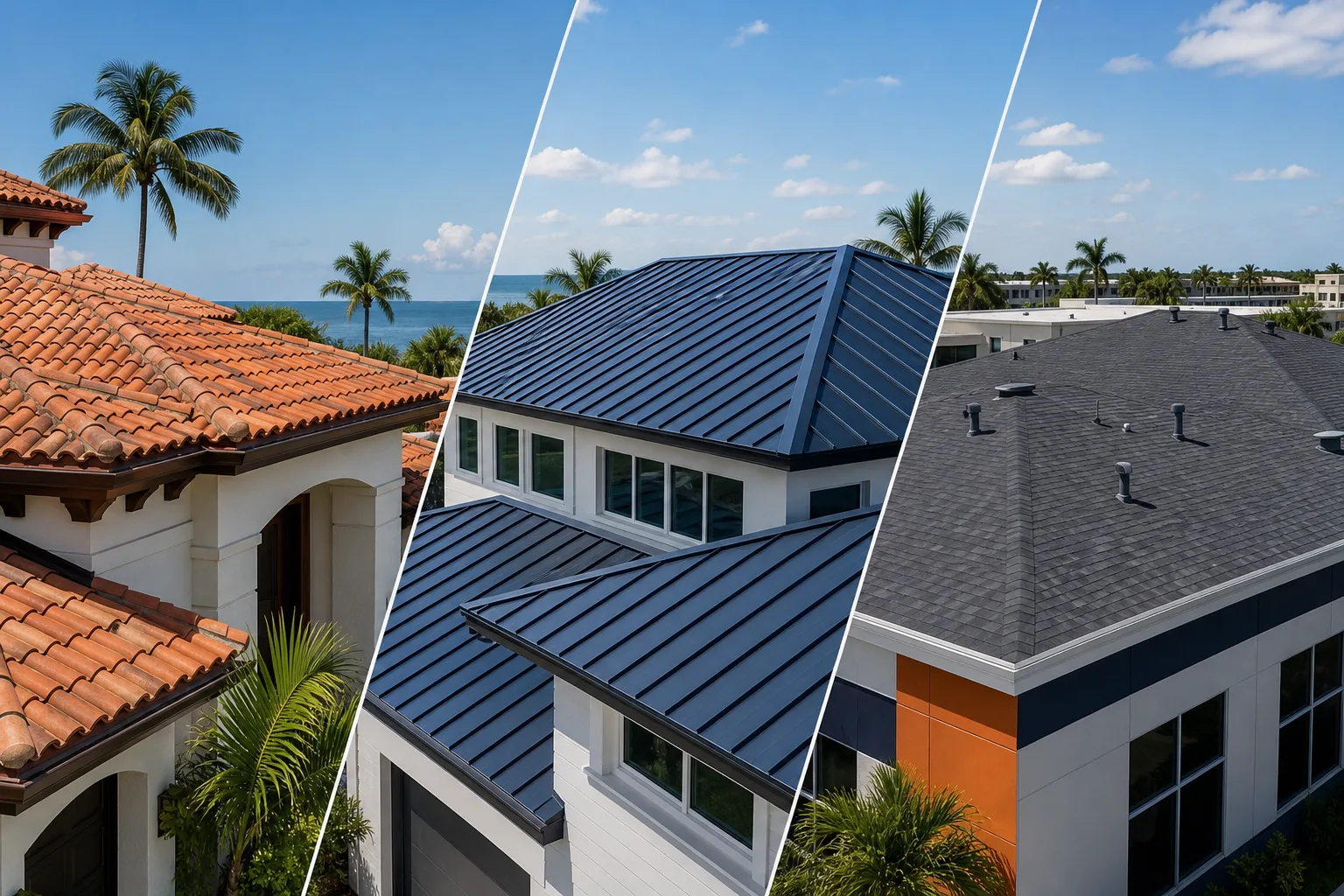
Material choice. This is usually the single biggest cost lever. Here's a general sense of the range, though prices shift with material markets:
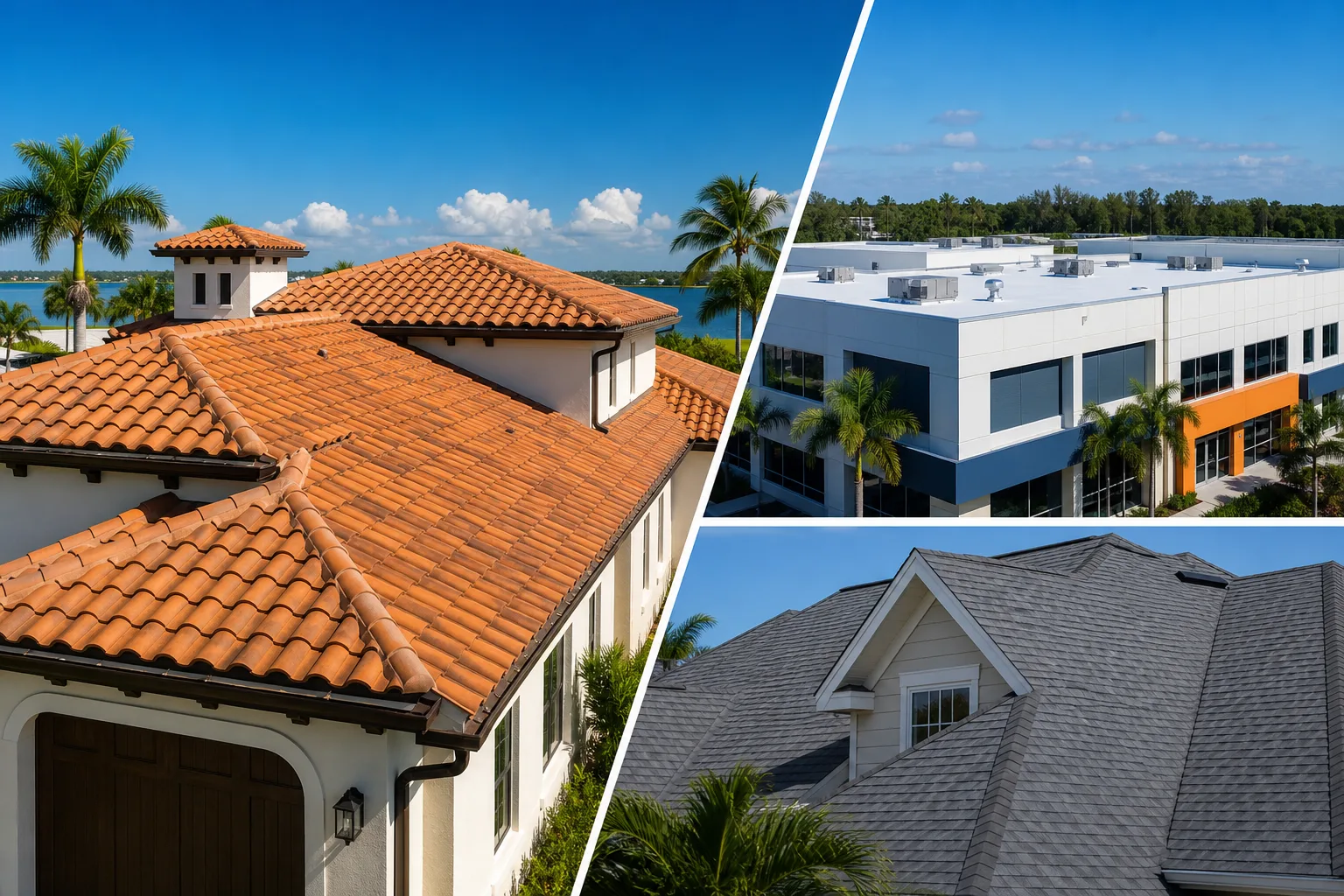
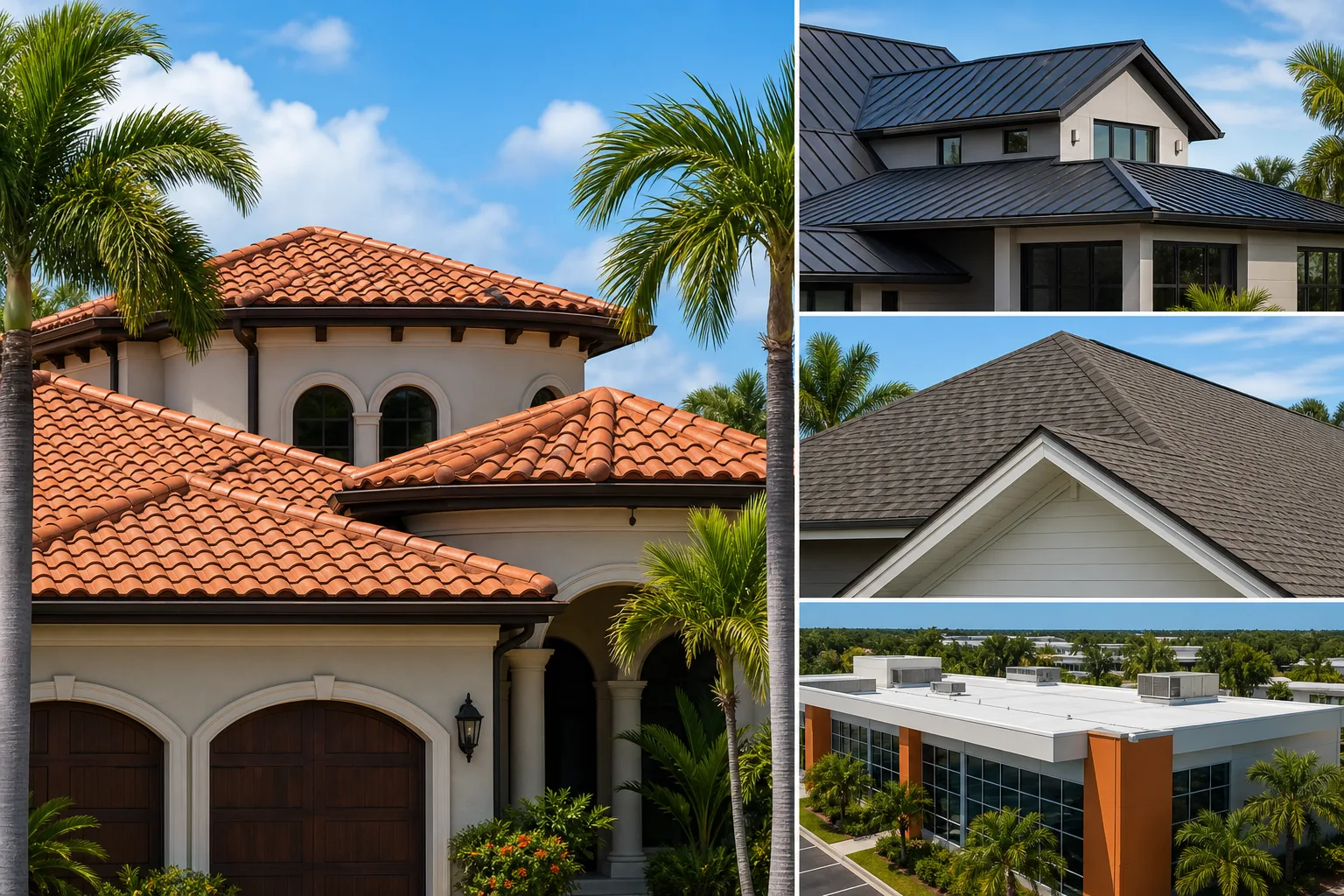
- Architectural shingles are the most affordable option. They're widely used in Boynton Beach neighborhoods and meet current wind-resistance requirements when installed correctly. Learn more about what goes into a shingle roof installation.
- Metal roofing costs more upfront but carries a longer expected lifespan and can perform very well in high-wind conditions. Standing seam metal in particular has strong wind uplift ratings. See our metal roofing page for what we install here.
- Concrete or clay tile is the premium option and the most common material in older Boynton Beach and Delray Beach communities. Tile roofs, when properly installed with the right underlayment, can last 40 or more years in this climate. The trade-off is higher installation cost and greater structural load on the home. Our tile roofing page covers the specifics.
Underlayment and decking. In Florida, the underlayment is not an afterthought. It's your secondary water barrier when a tile or shingle fails. We use peel-and-stick products on most jobs we do in this area because the performance difference in a hard rain or hurricane event is real. If the plywood decking underneath is rotted or soft, that gets replaced at the time of install, which adds to the total.
Permitting and inspection fees. Every roof replacement in Boynton Beach requires a permit through the City of Boynton Beach Building Division. The fee structure is tied to the value of the work. Budget for the permit cost and factor in that inspections add time to the project, typically one or two additional days between stages.
For a rough starting point without any commitment, you can use our free instant estimate tool to get a ballpark based on your home's size and location.
Why Material Choice Matters More in South Florida Than Elsewhere
Boynton Beach's climate is not average. Between June and November you have real hurricane exposure. Year-round you have UV radiation that degrades roofing materials faster than cooler climates. The humidity is persistent. And the building code reflects all of that.
Here's what that means practically:
Shingles need to be rated for high wind. Florida Product Approval numbers matter. If a contractor is offering you a shingle that doesn't carry a Florida approval for your wind speed zone, that's a red flag. The difference in cost between a code-compliant shingle and one that isn't is not large. The difference in performance is.
Tile needs proper underlayment. The tile itself often survives storms reasonably well. What fails is the underlayment beneath it when the tile gets displaced. A tile reroof in 2025 in South Florida should include a two-ply or peel-and-stick underlayment system, not felt paper. If a bid skimps on underlayment to hit a lower price, you'll feel that the next time a storm rolls through.
Metal is gaining traction. Especially on homes that had shingles and want a longer-lasting solution without tile's weight. Standing seam metal, when installed with the correct clips and fasteners, handles Florida wind loads well. The initial cost is higher, but the replacement cycle is much longer.
For a full look at what we install on residential roofs across South Florida, including Boynton Beach, that page covers materials and our process.
Want to know what your roof actually needs? Get a free estimate
What the Timeline Actually Looks Like
I'll give you a realistic sequence for a standard Boynton Beach single-family home replacement.
Week 1 (pre-work): Estimate completed, materials ordered, permit application submitted. Depending on city workload, permit approval in Boynton Beach can take anywhere from a few days to two weeks. This is not something a contractor can fully control.
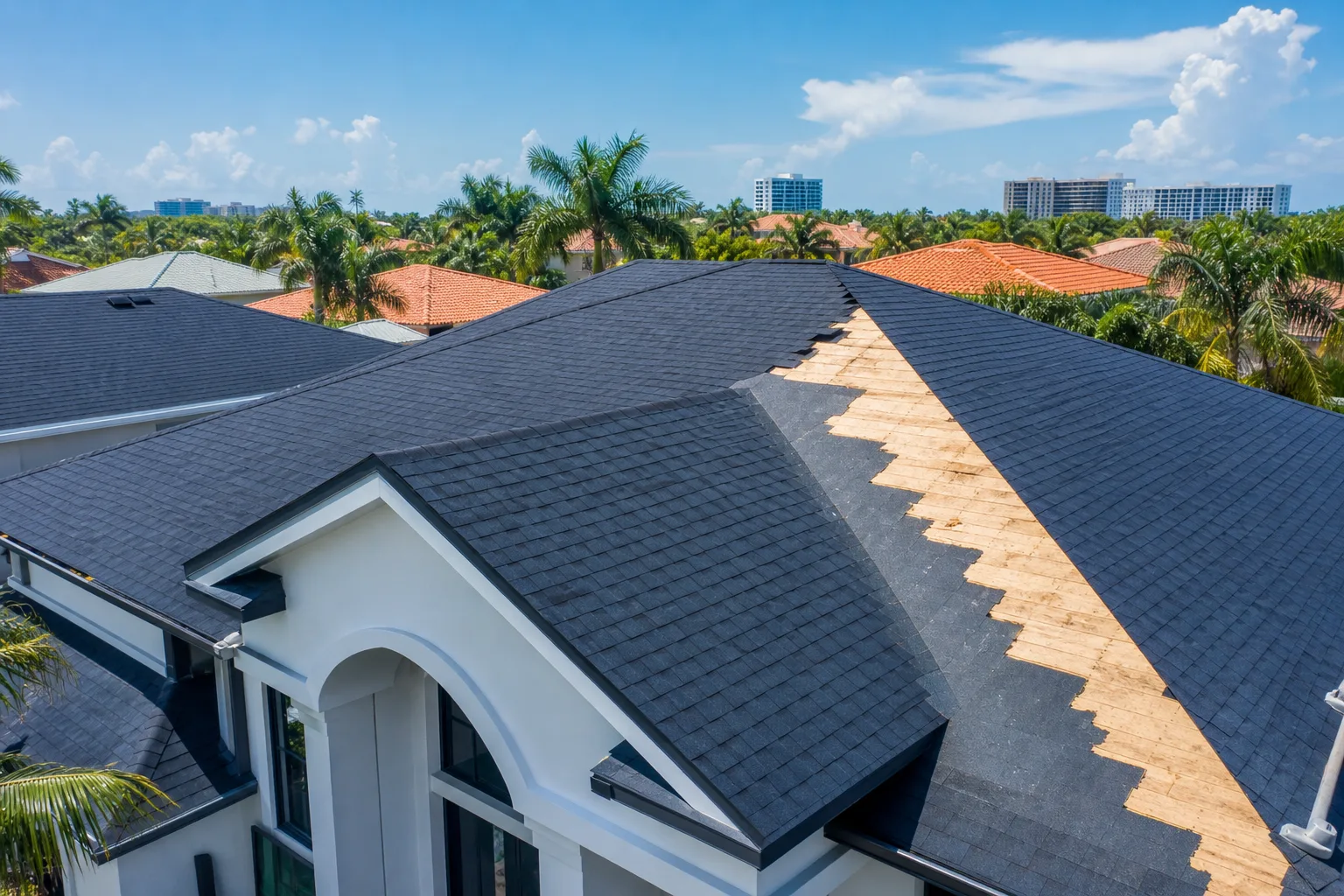
Installation days: Most residential re-roofs in this area run two to five days of actual crew time on the roof. Day one is typically tear-off and decking inspection. Days two through four (or five, on complex roofs) are installation, flashing, and trim work. A final crew pass handles cleanup and a punch list.
Inspections: The city inspector comes out after installation is complete. Depending on scheduling, that can add one to three business days to the official close-out. You need that final inspection to pass before your permit closes.
Total realistic timeline from signed contract to permit closed: Three to five weeks in normal conditions. During busy periods after a storm event, add time. Material lead times after a major hurricane can stretch significantly.
If you've had storm damage and need to understand your options before committing to a full replacement, our roof repairs page covers what we can address short-term while a larger plan comes together.
What We Don't Know Until We're On the Roof
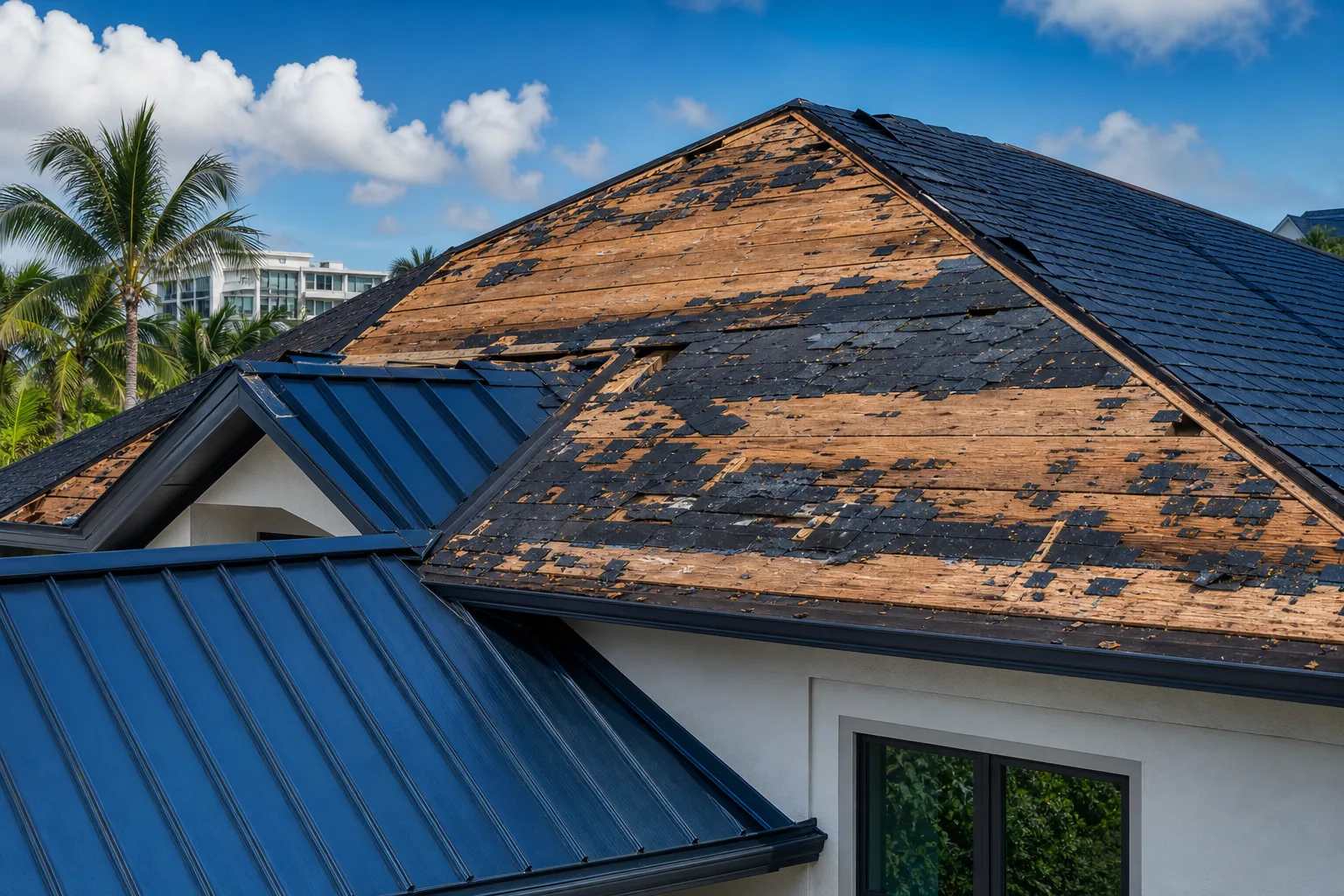
Every estimate I write comes with an honest caveat: the decking condition is unknown until tear-off starts. On older homes, especially those with original 1970s or 1980s construction, rotted or soft plywood is common and not always visible from a ground-level or even a roof-surface inspection.
Other things that surface during a job:
- Fascia and soffit damage that was hidden by old flashing
- Flashing around chimneys, skylights, or AC curbs that needs to be rebuilt rather than reused
- Low spots or improper slopes on flat sections that weren't obvious from the original inspection
A trustworthy contractor will document these issues with photos and walk you through any additions before proceeding. Ask upfront how change orders are handled and get that process in writing.
We also can't know in advance exactly when the city inspector will be available. We schedule as early as we can, but municipal inspection queues are outside any contractor's control.
What to Do About It: Getting Your Boynton Beach Roof Replacement Right
Here's the practical path forward if you're at the beginning of this process.
Start with a real inspection, not a sales call. An estimate that doesn't involve someone actually walking the roof and checking the attic is not an estimate. It's a guess. Make sure whoever gives you a number has been on the roof.
Get at least two itemized bids. Line items matter: material type and brand, underlayment spec, labor, permit cost, warranty terms. A single total number doesn't let you compare anything. If a bid doesn't break out the material spec, ask for it.
Check the license. Florida requires a licensed roofing contractor for this work. Our license number is CCC1326328 and you can verify it through the Florida Department of Business and Professional Regulation. Any legitimate contractor will give you theirs without hesitation.
Understand the warranty stack. There's a manufacturer's material warranty and a contractor's workmanship warranty. Both matter. Ask for both in writing before signing.
Check your gutters while you're at it. A roof replacement is a logical time to evaluate gutter condition. Old gutters on a new roof is a common miss. Our gutters page covers what we install and why it matters in South Florida's rain volume.
If you're ready to take the first step, you can request a quote or use the instant estimate tool to get a starting number. We've been doing this in South Florida since 2005 and we're straightforward about what a job actually involves.
Want to know what your roof actually needs?
Millennium Makeover has been roofing South Florida homes and businesses since 2005. Get a straight, no-pressure estimate from a licensed local crew (CCC1326328).
Frequently asked questions
How much does a roof replacement in Boynton Beach typically cost?
Cost varies based on roof size, complexity, and material choice. Shingles are the most affordable option, metal falls in the middle range, and tile carries the highest upfront cost but the longest lifespan. Use our instant estimate tool for a ballpark, and get at least two itemized bids before deciding.
How long does a Boynton Beach roof replacement take from start to finish?
From signed contract to permit closed, expect three to five weeks in normal conditions. Actual crew time on the roof is typically two to five days. The rest of the timeline is permitting, material delivery, and city inspection scheduling, none of which a contractor fully controls.
Do I need a permit for a roof replacement in Boynton Beach?
Yes. The City of Boynton Beach requires a building permit for any full roof replacement. A licensed roofing contractor handles the application, but the permit adds time and cost to the project. Any contractor who suggests skipping the permit is not someone you want on your roof.
Which roofing material is best for homes in Boynton Beach?
All three common options, shingles, metal, and tile, can work well if installed correctly and to Florida code. Tile lasts longest but costs more. Metal handles wind well and has a long lifespan. Shingles are the most budget-friendly and widely available. Your HOA rules and budget usually narrow the choice significantly.
What can change the final price of a roof replacement after work starts?
The most common surprise is rotted or soft plywood decking, which isn't visible until tear-off begins. Damaged fascia, failing flashing around skylights or chimneys, and drainage issues on flat sections are other common additions. Ask any contractor upfront how they handle change orders and get that process in writing.
How do I verify a roofing contractor is licensed in Florida?
You can verify any Florida roofing contractor's license through the Florida Department of Business and Professional Regulation's online lookup tool. Millennium Makeover's license number is CCC1326328. Any legitimate contractor will provide their license number without hesitation.