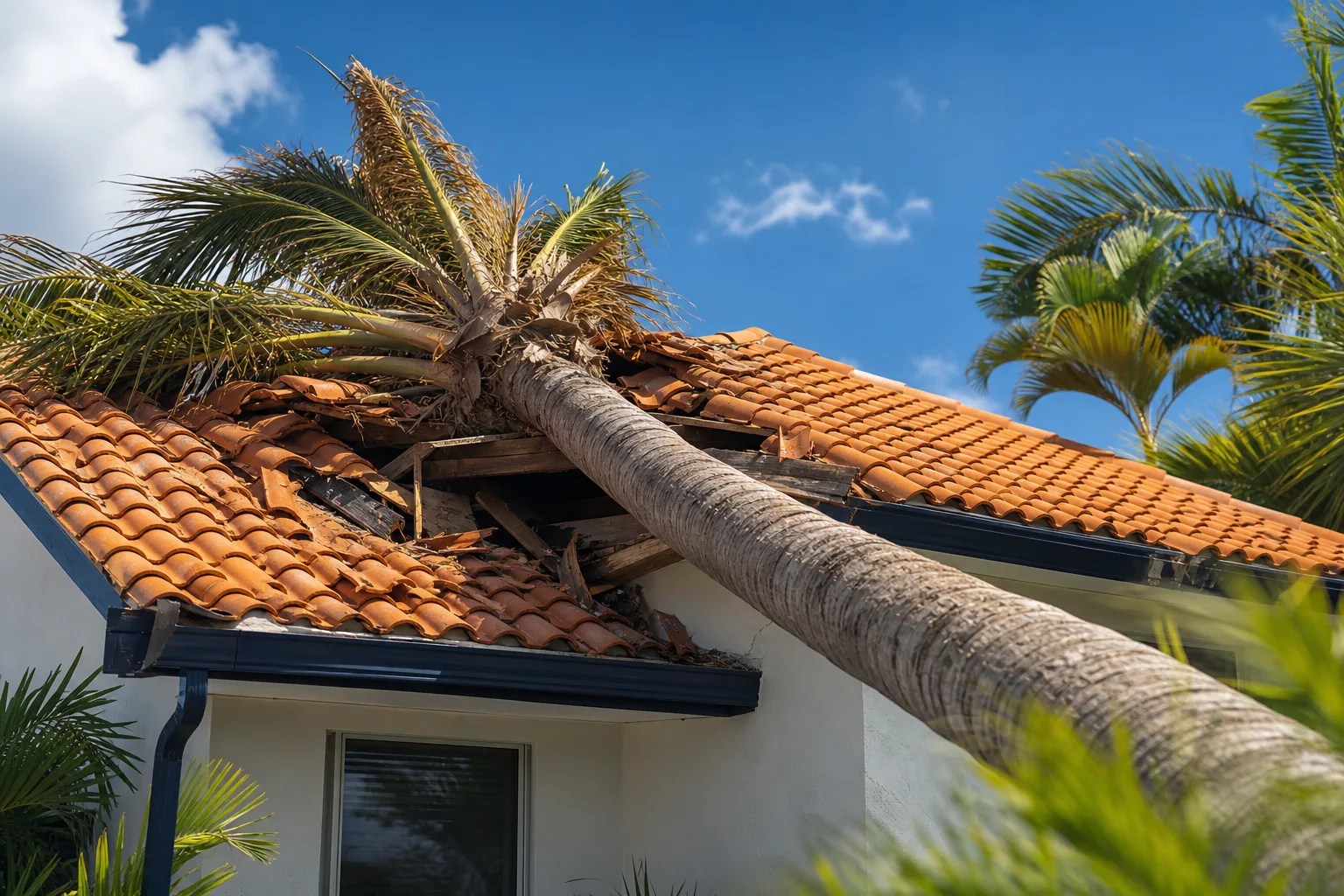
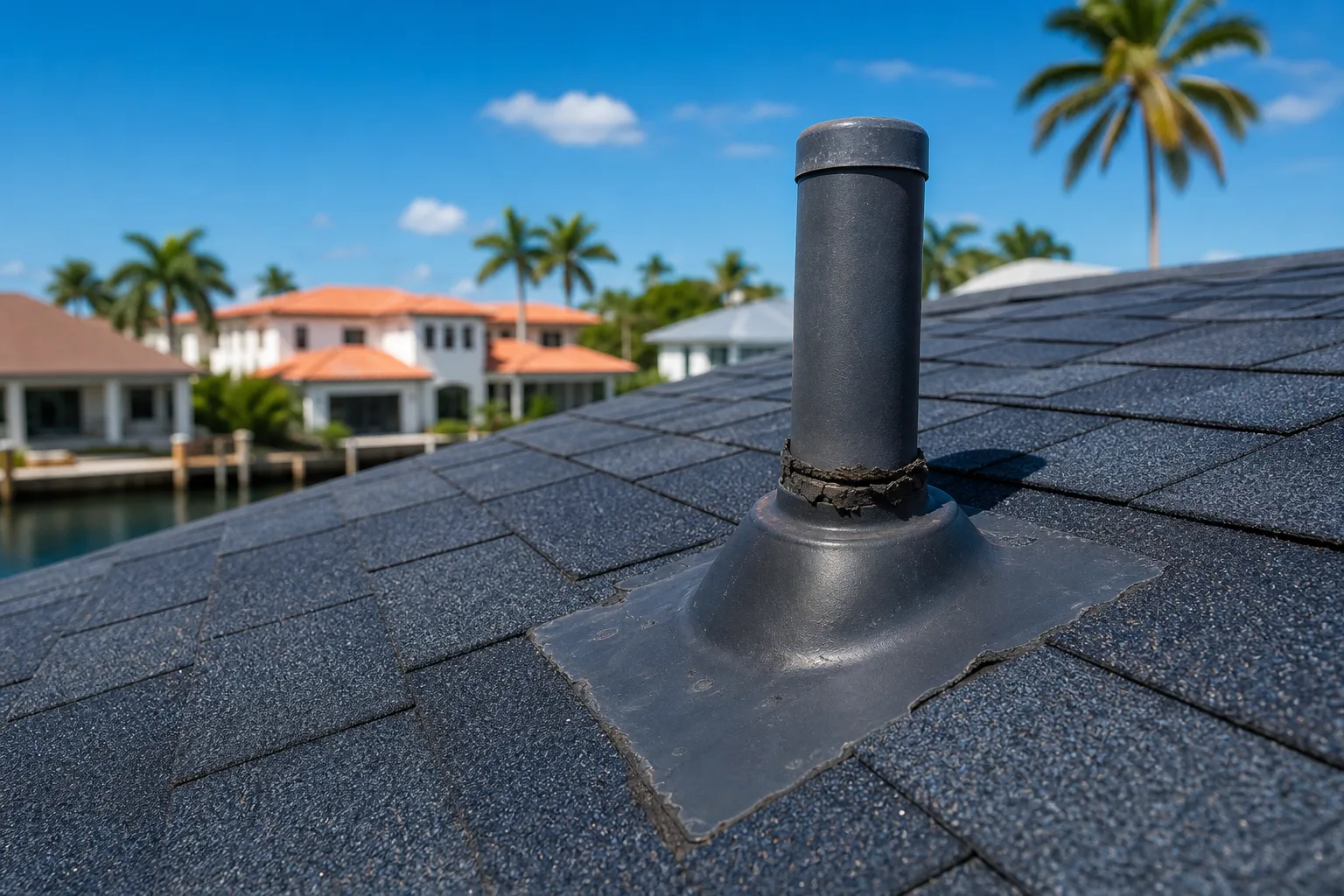
5 Places Water Hides After a Storm Homeowners Miss
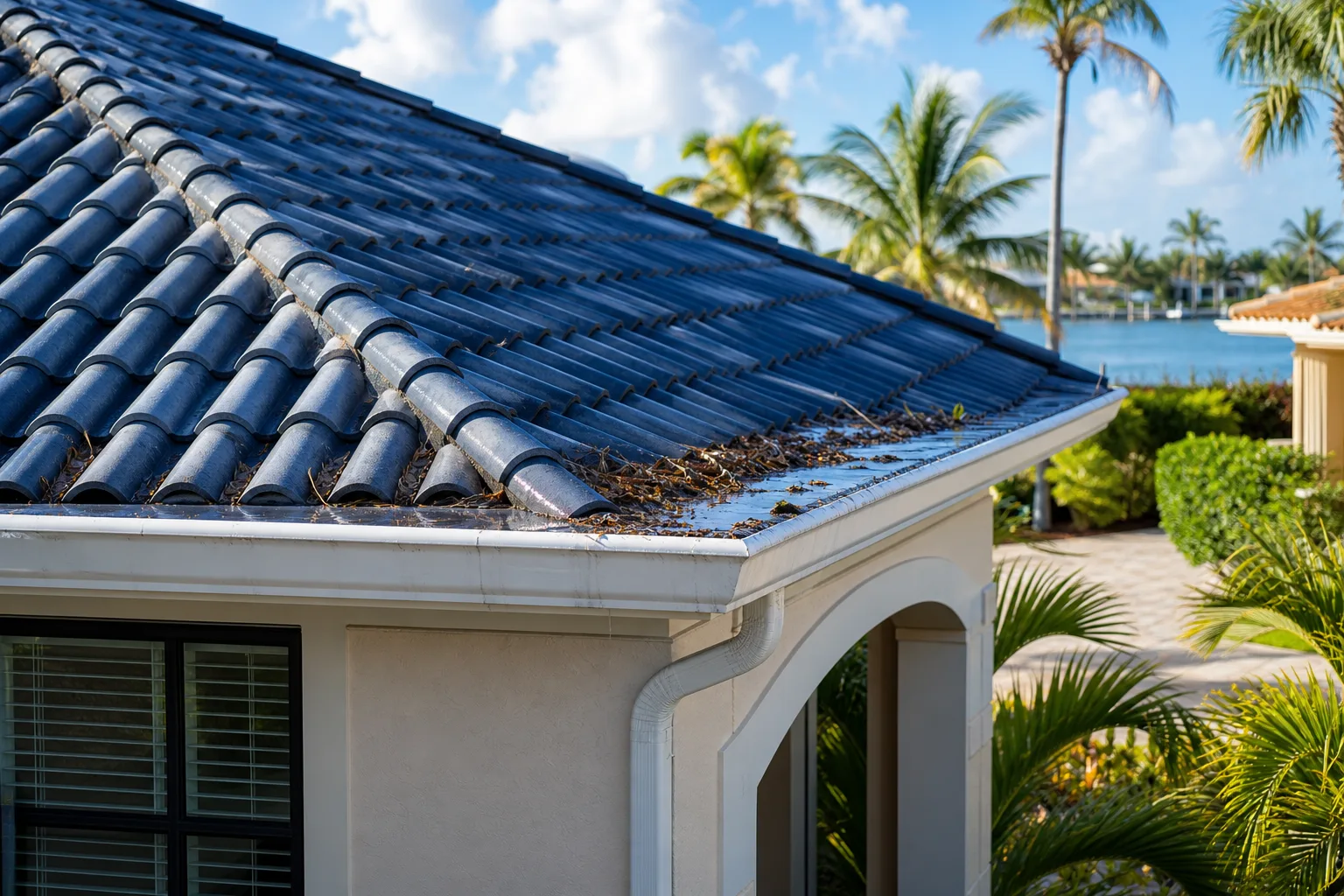
TL;DR: After a storm, most people check the obvious stuff, ceiling stains, missing shingles, a puddle in the yard. Water is patient though. It settles into soffits, behind chimney flashing, under tile, inside gutters, and in attic insulation, and it can sit there for days before you see a single sign inside the house. Catching it early is the difference between a repair and a full deck replacement.\n\nEvery hurricane season, I walk properties across Boynton Beach, Delray, and West Palm Beach the day or two after a system passes, and the pattern is always the same. Homeowners feel relieved because the roof "looks fine" from the driveway. Then six weeks later they've got a soft spot over the guest bedroom or a musty smell in the hall closet that won't go away. That gap between the storm and the discovery is where small problems turn into deck replacements and denied insurance claims.\n\nFlorida Building Code assumes water management is a system, not a single layer. When one part of that system gets compromised in high wind, water finds the next weak point and just waits there. Here are the five places it hides most often, and what I'd tell you to do about each one.\n\n## 1. Soffits and the eave line\n\nSoffits take a beating in a storm because wind doesn't just push rain sideways, it drives it upward under the eaves through vents that are designed to let air move, not repel water under pressure. Once moisture gets behind a soffit panel, it can travel along the fascia board and into the roof deck itself before you ever see a stain on the panel's surface.\n\nWhat to check: press gently on soffit panels near corners and downspout areas. Sagging, sponginess, or a slightly different color than the rest of the run usually means moisture is already inside. Vented soffits in older homes are especially prone to this because the vent cuts are an easy entry point once wind-driven rain gets aggressive.\n\nThis is also a spot insurance adjusters look at closely, because eave damage often tells the story of wind speed and direction during the claim review. If you're not sure whether what you're looking at is cosmetic or structural, that's a good reason to get it looked at before you file anything.\n\n## 2. Behind chimney and wall flashing\n\nFlashing around chimneys, walls, and roof-to-wall transitions is one of the most common failure points in any Florida roof, storm or no storm. During high wind events, the mechanical fasteners holding flashing in place can loosen just enough to open a gap you can't see from the ground, but it's more than enough for wind-driven rain to exploit.\n\nThe water that gets behind flashing doesn't always run straight down and show up as a ceiling stain right away. It often travels laterally along the roof deck or down inside a wall cavity, which means the first sign of a problem might be drywall damage in a completely different room than the one under the chimney. If your home has a chimney, a second-story wall intersection, or any kind of roof-to-wall transition, that's worth a specific look after any named storm, not just a general roof glance. Our roof repairs team gets called out for this exact scenario more than almost anything else post-storm.\n\n## 3. Under tile, especially cracked or shifted pieces\n\nTile roofs are excellent in South Florida for wind resistance when properly installed and code-compliant, but tile is a water-shedding layer, not a waterproofing layer. The underlayment beneath it is what actually keeps water out. When wind lifts, cracks, or shifts tiles even slightly, water can get underneath and sit directly on the underlayment, sometimes for the entire storm and well after, especially on lower-slope sections where drainage is slower.\n\nFrom the ground, a few shifted or hairline-cracked tiles look like nothing. But that's exactly where water pools against the underlayment seams, and older underlayment that's already had a few storm seasons on it doesn't need much of a gap to start failing. If your home has tile and you had any wind event with gusts strong enough to rattle windows, it's worth having someone walk the roof rather than just eyeballing it from the yard. We cover this in more depth in our Florida tile roofing guide, including what shifted tile actually means for the layer underneath. Our tile roof team can tell the difference between a cosmetic crack and a real water entry point in about five minutes on the roof.\n\n## 4. Clogged or disconnected gutters and downspouts\n\nThis one isn't about water on the roof, it's about water that's supposed to leave the roof and doesn't. Storms load gutters with leaves, branches, and shingle granules, and high wind can pull downspouts partially loose from the wall without fully detaching them, so they look connected but aren't actually draining.\n\nThe result is water backing up at the roofline, sitting against fascia boards, and finding its way behind the drip edge, which is a slower and sneakier kind of damage than an obvious leak. It rots fascia and soffit from the outside in, and by the time you notice paint bubbling or wood softening, the moisture's had weeks to work. After any storm with heavy rain, walk the perimeter and watch how water is actually moving during the next light rain, not just whether the gutters look clear. If they're pulling away from the fascia or draining slower than they used to, our gutters team can usually tell you in one visit whether it's a cleaning issue or a mounting issue.\n\n## 5. Attic insulation and the underside of the deck\n\nThis is the one that gets missed the longest because you have to actually go up there to find it. Water that gets past flashing, vents, or a compromised deck seam often lands first in the attic, and insulation soaks it up and holds it rather than letting it show through the ceiling right away. By the time you see a stain on the drywall below, the insulation above it may have been wet for days or weeks, and wet insulation loses its R-value and becomes a mold risk fast in our humidity.\n\nA musty smell in an upstairs room, insulation that looks matted or discolored, or any dark staining on the underside of the roof deck are all signs worth taking seriously. This is also where deck damage hides longest, since a soft or discolored deck board isn't visible from inside the living space until it's well advanced. If you've got attic access, a flashlight check after any significant storm takes ten minutes and can save you from a much bigger repair later.\n\n## Why this matters for your insurance claim, not just your roof\n\nMost Florida homeowners policies require you to document damage and act on it within a reasonable window, and "reasonable" gets a lot harder to argue if an adjuster can point to weeks of unaddressed moisture making the damage worse. Insurers know these five spots too, and a claim that shows a homeowner caught early moisture in a soffit or under a tile section reads very differently than one filed after a ceiling collapses.\n\nIf you're in the middle of a season and want a structured way to check your own property, our Hurricane Storm Center walks through pre and post-storm steps specific to South Florida conditions, and it's worth reviewing before the next named system, not after.\n\n## Bottom line\n\nA roof that looks fine right after a storm can still be holding water in five places you'd never think to check without knowing where to look. Soffits, flashing, tile underlayment, gutters, and attic insulation are where moisture hides longest and does its quietest damage. If it's been more than a few weeks since your last storm and you haven't had eyes on these specific spots, get a free instant estimate or request a quote before the next system rolls through. Catching it now is almost always cheaper than catching it later.
Is your roof ready for hurricane season?
A pre-season inspection is the cheapest insurance you'll ever buy. Our Storm Center has you covered before and after the storm.
Frequently asked questions
How soon after a storm should I check for hidden water damage?
Within a day or two if it's safe to do so, and definitely before the next rain event. Moisture in soffits, attic insulation, and under tile gets worse the longer it sits, and Florida humidity doesn't give it much chance to dry out on its own.
Can I check these areas myself or do I need a professional?
You can do a basic visual check yourself, gutters, soffits, and attic access are all reasonable for a homeowner to look at. Anything involving getting on the roof itself, especially tile, is safer left to a licensed contractor who knows how to walk it without causing more damage.
Will my insurance cover damage found weeks after the storm?
It depends on your policy and how quickly you documented and reported it once found. Insurers generally expect reasonable diligence, so the sooner you catch and report hidden moisture, the stronger your claim tends to be.
Does a musty smell always mean mold from storm damage?
Not always, but a new musty smell after a storm is worth investigating rather than ignoring. It often points to wet insulation or a damp roof deck before mold has fully developed, which is actually the best time to catch it.
How can I tell if my tile roof has hidden water intrusion?
Look for shifted, cracked, or discolored tiles, especially in low-slope areas, and check for staining on the attic side of the deck. Since tile itself doesn't waterproof the roof, the underlayment underneath is what really matters, and that requires a roof-level inspection to assess properly.