What a Roofing Warranty Really Covers (And What It Doesn't)

In this article
TL;DR: Roof jobs may include a manufacturer material warranty and a separate contractor workmanship warranty; ask for both in writing. They overlap in confusing ways, several common mistakes void them entirely, and in South Florida the fine print matters more than the headline number of years.
What You Need
Before you can evaluate any warranty, you need to have the following in hand:
- A copy of the manufacturer's warranty certificate (not just a brochure). This should include the product line, coverage term, and any prorated schedule.
- A copy of the contractor's written workmanship warranty. This should be a separate document, signed, with a specific term in years and the contractor's license number on it.
- The contractor's license number, so you can verify it with the Florida Department of Business and Professional Regulation. Ours is CCC1326328, and you should be able to look up any licensed contractor the same way.
- Records of any previous repairs or inspections on your roof. These matter if you ever file a claim.
If any of those four things are missing after a job is done, you have a problem worth solving before you need them.
Step 1: Understand the Two Separate Warranties
Many roof replacements involve distinct material and workmanship warranties, but the actual coverage depends on the documents. Most homeowners assume they're the same thing, or that one covers the other. They don't.
The Manufacturer's Warranty
This covers the roofing material itself, meaning the shingles, tiles, metal panels, underlayment, or whatever system was installed. If a shingle delaminates prematurely or a tile cracks under normal conditions, the manufacturer's warranty is what you'd turn to.
The term varies widely. Basic shingle warranties might run 25 years. Premium systems can be marketed at 50 years or even "lifetime." But read what "lifetime" means in the fine print. Its definition depends on the manufacturer and product terms, and it frequently comes with a prorated schedule after the first ten or fifteen years.
Also important: Some enhanced warranties require an approved installer or complete system; baseline product warranties may not. If a contractor cuts a deal on surplus materials or installs product outside their authorization, you may not have a valid manufacturer's warranty at all, even if the contractor hands you a certificate.
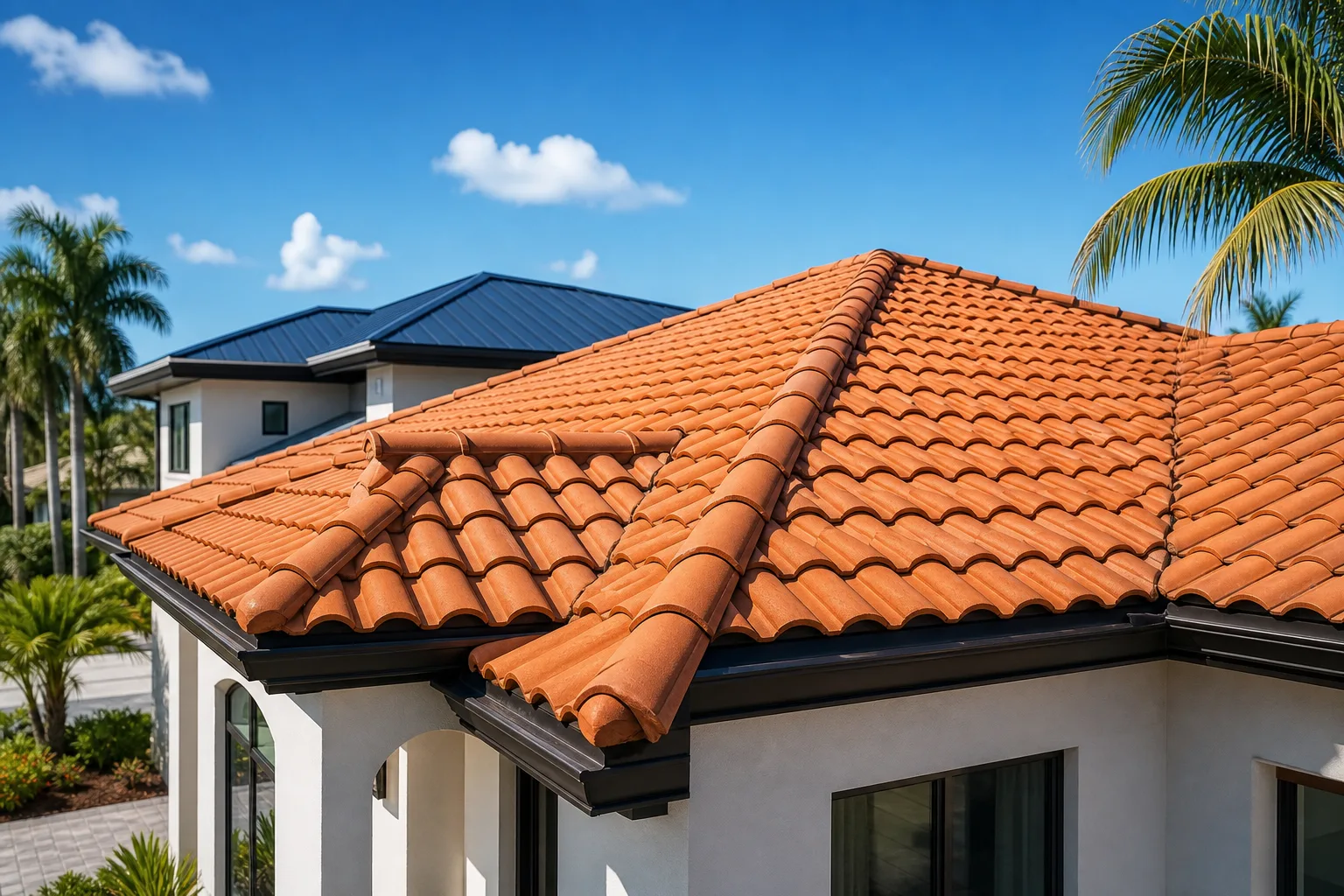
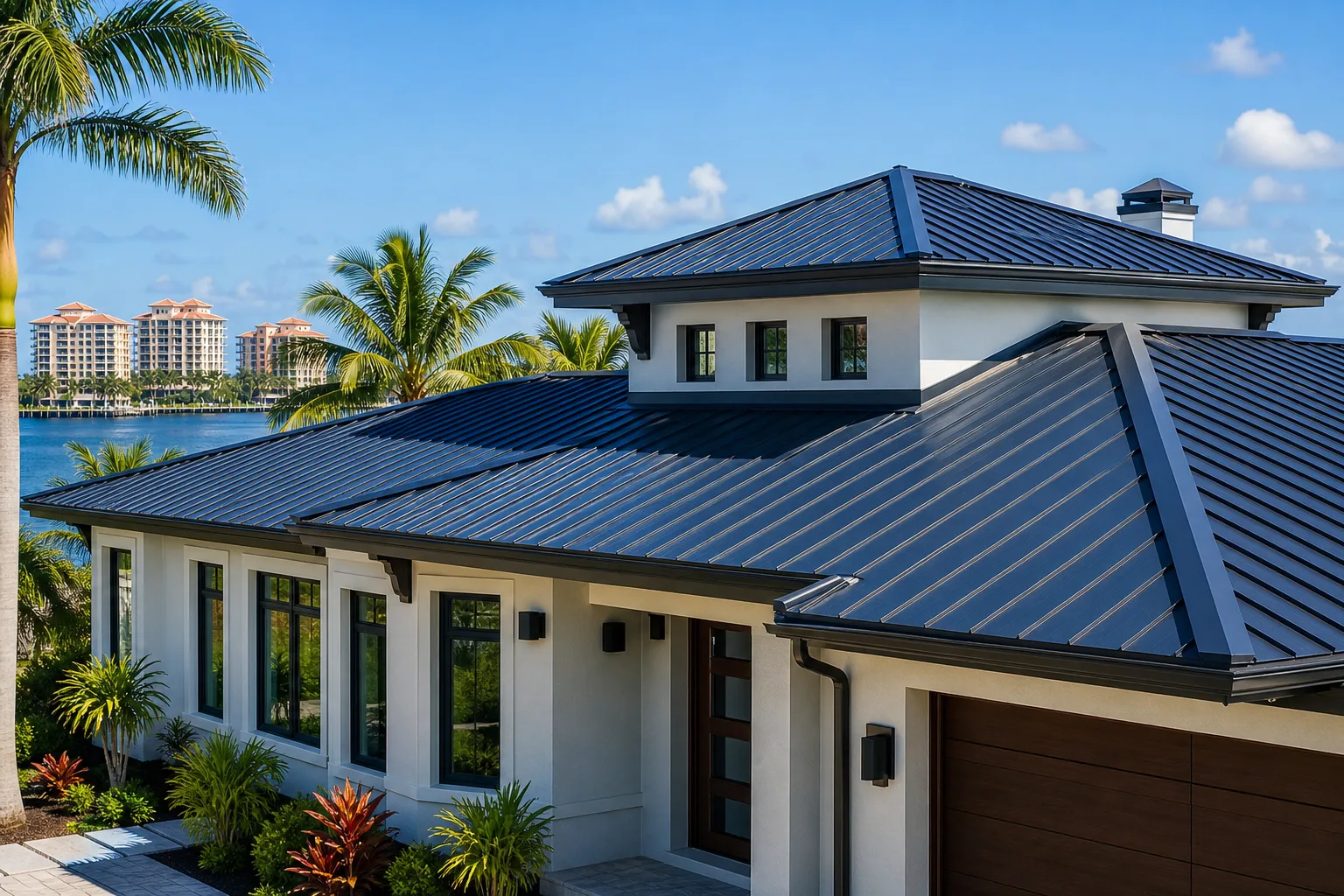
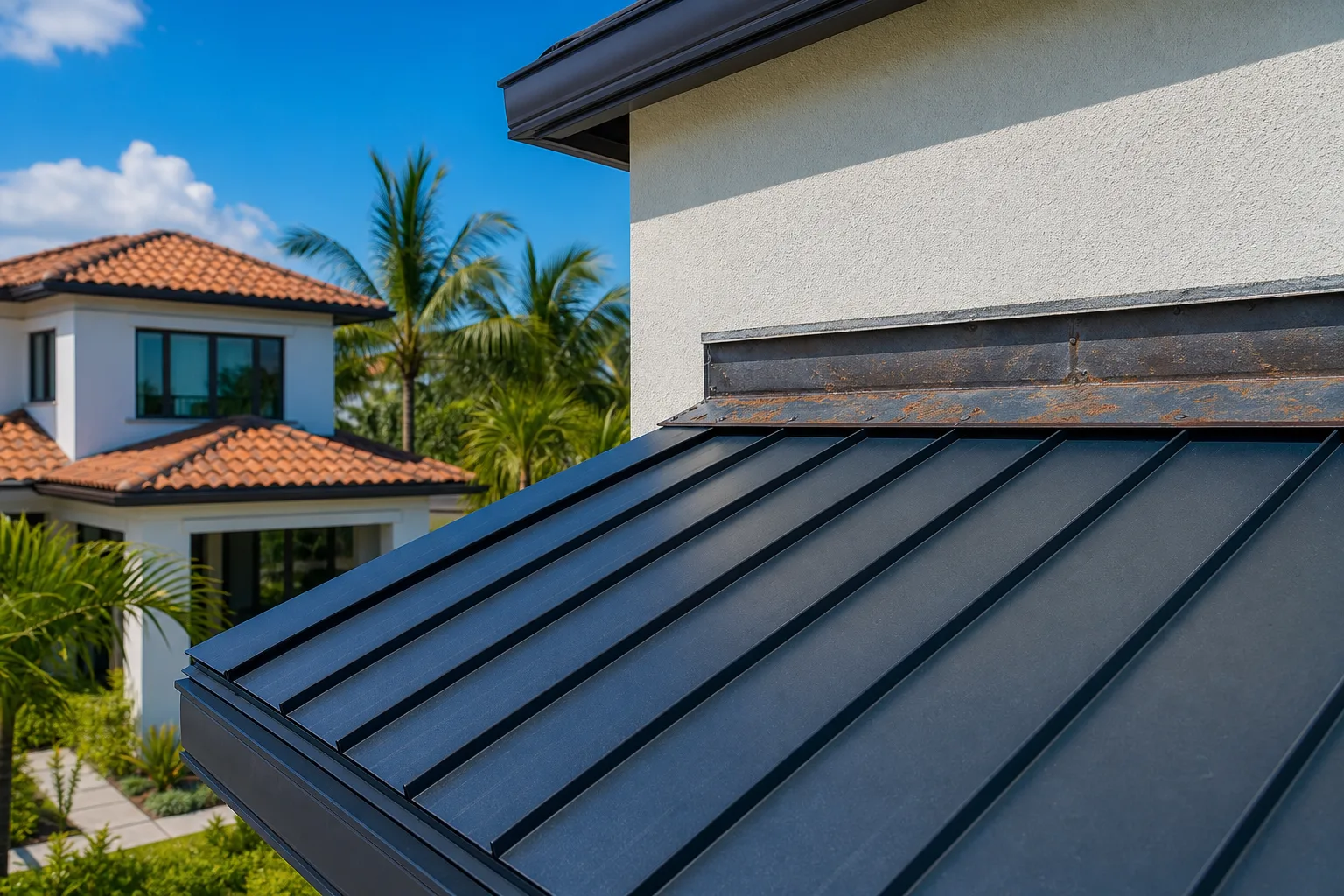
For homeowners looking at tile, metal, or shingle roofs, those different material categories have different warranty structures. A concrete tile roof warranty works differently from a standing-seam metal warranty. Ask your contractor to walk you through the specifics before installation starts, not after.
The Workmanship Warranty
This is the contractor's warranty, and it covers installation errors. If flashing is not properly sealed, if a ridge cap is not nailed correctly, if improper underlayment is used, a workmanship warranty is your recourse.
Workmanship warranty terms vary by contractor and contract. Fly-by-night outfits, and we see plenty of them roll through South Florida after every storm, often offer long-sounding workmanship warranties knowing they'll be out of business or unreachable when you need them. A five-year workmanship warranty from a company that won't exist in five years is worth nothing.
That's why contractor longevity matters. The company says it has served South Florida since 2005. When you request a quote from us, you're dealing with the same family business that will still be here if you need to call in a claim.
Step 2: Know What Voids a Warranty
This is where a lot of homeowners get burned. Both types of warranties come with conditions. Those conditions may limit coverage for related damage under the written terms.
Conditions that may affect a manufacturer's warranty:
- Having anyone other than a manufacturer-authorized contractor perform repairs or modifications. Unauthorized repairs can affect warranty coverage for related damage, depending on the written terms; a small third-party repair does not automatically void every part of the warranty.
- Pressure washing the roof. In South Florida, algae and mold are real. But aggressive pressure washing can strip granules from shingles and damage tile coatings. Manufacturers often prohibit it.
- Installing rooftop equipment, solar panels, satellite dishes, HVAC components, without proper roof penetration and flashing. The installation method matters, not just the fact of installation.
- Failing to address known damage within a reasonable time. If you have a leak, document it and get it looked at. Letting a known problem sit and worsen can give a manufacturer grounds to argue the damage was caused by neglect, not product failure.
Conditions that may affect a workmanship warranty:
- Allowing subsequent repairs by a different contractor. If something leaks and you call someone else to patch it, your original contractor's workmanship warranty may no longer apply to that area.
- Not maintaining gutters and drainage. If water backs up because gutters are clogged and causes damage, a contractor can reasonably argue that's a maintenance issue, not a workmanship failure. This is one reason we recommend pairing gutter work with a new roof installation.
- Storm damage. Storm damage may be excluded from workmanship coverage; check both warranty and homeowners policy terms. If you're dealing with storm damage, head to our Hurricane Storm Center for guidance on that separate process.
Step 3: Read the Prorated Schedule
A 30-year warranty does not mean you get 100 cents on the dollar if your roof fails in year 25. Some manufacturer warranties are prorated after an initial period; check the written schedule. That means the coverage value decreases over time.
Some products provide an initial non-prorated period followed by reduced benefits; the duration and included costs depend on the document. After the non-prorated period, some warranties reduce benefits and may exclude labor; the schedule depends on the product and written warranty. The benefit may cover less than the full repair cost.
Ask your contractor to show you the specific proration table before you sign. If they can't produce one, that's a red flag.
Want to know what your roof actually needs? Get a free estimate
Step 4: Understand Enhanced Manufacturer Warranties
Many major roofing manufacturers offer tiered warranty programs. The base warranty comes with any purchase of their materials. Enhanced or "system" warranties, sometimes called things like NDL (No Dollar Limit) coverage, require the entire roofing system, including underlayment, ventilation, and accessories, to be from that manufacturer's product line, and require installation by a contractor who holds a higher certification from that manufacturer.
These enhanced warranties can be genuinely better coverage. They often include labor costs, have longer non-prorated periods, and are transferable to a new owner if you sell the home.
If a contractor is pitching you an enhanced warranty, ask to see the specific certificate, the certification level they hold, and whether the full system being installed qualifies. Not every installation using that brand's shingles automatically qualifies for the top-tier warranty.
For our residential roofing and commercial roofing customers, we explain exactly which warranty tier applies to your specific project before work begins. No surprises after the fact.
Step 5: Document Everything
A warranty is a legal document. Treat it that way from day one.
After installation, photograph your roof from multiple angles and, if you can safely do so or have a drone, get overhead shots. Date-stamp them. Keep a folder, physical or digital, with your warranty certificates, the contractor's license information, all invoices, and those photos.
If you ever need to make a claim, having this documentation is the difference between a smooth process and a months-long dispute. Manufacturers and insurance companies will ask for proof of installation date, product used, and condition before the alleged failure.
If you make repairs down the line, document those too. Get a detailed receipt from whoever does the work, even if it's a minor roof repair.
Common Mistakes
Assuming the longer warranty number means better protection. A 50-year prorated warranty from a manufacturer you've never heard of, installed by a contractor with no local track record, is often worse coverage than a 25-year warranty from a reputable manufacturer installed correctly.
Not registering the warranty. Registration requirements vary by product and warranty tier. Ask whether registration is required, who handles it, and obtain confirmation.
Letting storm chasers touch your roof after a hurricane. Out-of-state contractors who show up after a storm and offer quick repairs often use substandard materials or improper installation methods that immediately void your existing warranty. Even if the storm caused the initial damage, a bad repair creates a coverage gap.
Confusing warranty coverage with insurance claims. These are different systems. A warranty covers manufacturing defects and workmanship errors. Insurance covers sudden damage from storms, falling objects, fire. Knowing which one to call matters for getting a claim handled correctly.
Skipping the written workmanship warranty entirely. Verbal assurances mean nothing. If a contractor says "don't worry, we stand behind our work" but won't put it in writing, that's your answer.
Bottom Line
A roofing warranty is only as good as the materials that were installed, the contractor who installed them, and whether you've maintained your end of the conditions. The headline number of years is almost never the most important detail.
Read both warranties. Understand the proration. Know what voids them. Keep your documentation. And make sure whoever is doing your roof is going to be around long enough to honor what they put in writing.
If you want a straight answer on what warranty coverage would apply to your specific roof situation, get an instant estimate or reach out directly. We'll tell you exactly what you're getting before any work starts.
Want to know what your roof actually needs?
Millennium Makeover has been roofing South Florida homes and businesses since 2005. Get a straight, no-pressure estimate from a licensed local crew (CCC1326328).
Frequently asked questions
What is the difference between a manufacturer's warranty and a workmanship warranty on a roof?
A manufacturer's warranty covers defects in the roofing materials themselves, such as shingles that fail prematurely. A workmanship warranty covers errors made during installation by the contractor. Both are separate documents and both matter. Having one without the other leaves a gap in your coverage.
Can I lose my roofing warranty if someone else repairs my roof?
Yes, in many cases. Repair restrictions vary by product and warranty; check the written terms before modifications. A workmanship warranty from your original contractor can also be voided if a different contractor performs work in the same area. Always check both warranties before calling anyone for repairs.
Does a roofing warranty cover storm or hurricane damage?
Generally no. Storm exclusions and any wind coverage vary by written warranty and product. That type of damage is typically a homeowner's insurance claim, not a warranty claim. The two processes are separate and should not be confused.
What does 'prorated' mean in a roofing warranty?
A prorated warranty means the coverage value decreases over the life of the warranty term. In the early years you may receive full replacement cost, but by year 20 of a 30-year warranty you might only receive a percentage of material cost with no labor covered. Ask your contractor to show you the proration schedule before installation.
Do I need to register my roofing warranty after installation?
Check the specific product terms for any registration deadline and consequence; do not assume a universal window or forfeiture. Your contractor may handle registration on your behalf, but you should confirm it was completed and request a copy of the registration confirmation.
How long should a contractor's workmanship warranty last?
Workmanship warranty terms vary; compare the written scope, exclusions, and contractor track record. A long warranty number means nothing if the company is unlikely to still be operating when you need to file a claim. Always verify the contractor's license, local track record, and how long they have been in business in your area.