How Often Should You Have Your Roof Inspected in Florida

In this article
TL;DR: Florida homeowners should have their roof professionally inspected on a schedule that fits roof condition, storm exposure, warranty terms, and insurer requests. Visible damage, significant storms, or an insurer request may justify another inspection. Your insurer may ask for a roof inspection in some underwriting situations, while permit requirements depend on the work proposed.
What You Need
Before scheduling an inspection, make sure you have the following ready:
- Your current homeowner's insurance policy (note any inspection requirements in the declarations page)
- The approximate age of your roof and the material type (tile, metal, shingle)
- Any photos or notes from previous inspections or repairs
- A record of storm events that have affected your property in the last few years
- An inspector qualified for the purpose of your inspection. Florida roofing contractors must carry a state license. Ask for license number CCC-prefixed credentials before anyone gets on your roof.
If you are not sure where to start, you can request a quote or get a free instant estimate to find out what a professional inspection would involve for your specific roof type.
Step 1: Set Your Baseline Inspection Schedule by Roof Age
The age of your roof determines how often it needs professional eyes on it.
Under 5 years old: Check your warranty and have the roof assessed if there is damage, a leak, or an insurer request.
5 to 10 years old: Consider periodic checks, but start paying closer attention to areas that accumulate debris, like valleys, gutters, and low-slope sections. This is also when you may start seeing manufacturer material warranties narrow their coverage terms, so documenting condition matters.
10 to 15 years old: Discuss an inspection schedule based on material condition, recent storms, and warranty or insurer requirements. At this age, fastener corrosion, granule loss on shingles, and cracked mortar on tile systems all become real concerns.
15 years and older: Have condition assessed when needed and after significant damage; Florida law provides an inspection opportunity before an insurer requires replacement solely due to age. Florida's insurance market has made this age range particularly sensitive. An insurer may request an inspection, but its requirements vary; a qualifying report showing at least five years of useful life limits age-only nonrenewal under Florida law.
Check your own policy. The language varies by carrier, but many now include explicit inspection clauses.
Step 2: Add Event-Triggered Inspections on Top of Your Schedule
Use your chosen maintenance schedule as a baseline. The following events should trigger an additional inspection regardless of when the last one happened.
After any named tropical storm or hurricane. Even a storm that tracks 100 miles offshore can generate wind gusts in Palm Beach County that lift ridge caps, crack tile, or compromise flashing. Our Hurricane Storm Center has resources for what to do immediately after a storm, but the short answer is: document visible damage and notify your insurer promptly under the policy; an inspection can also help assess the roof.
After hail. South Florida does not get large hail the way central Florida or the Panhandle does, but hail can damage roofing materials, sometimes without obvious ground-level signs.
After any visible interior leak or ceiling stain. A stain on your drywall is a lagging indicator. By the time water shows up inside, the leak may have been present before the stain appeared. Do not patch the ceiling and move on. Get the source inspected and repaired properly through roof repairs before the next rain event.
Before buying or selling a property. Buyers should insist on a roofing contractor inspection separate from the general home inspection. Sellers benefit from one too, since undisclosed roof defects have derailed more South Florida closings than most sellers expect.
After any rooftop work by another trade. HVAC technicians, solar installers, satellite dish crews, all of them walk on your roof and occasionally create penetrations or disturb flashing without it being part of their scope. A quick post-visit inspection catches those issues early.
Is your roof ready for hurricane season? Visit the Storm Center
Step 3: Know What a Real Inspection Should Cover
Not all inspections are equal. A thorough professional inspection in South Florida should address the following:
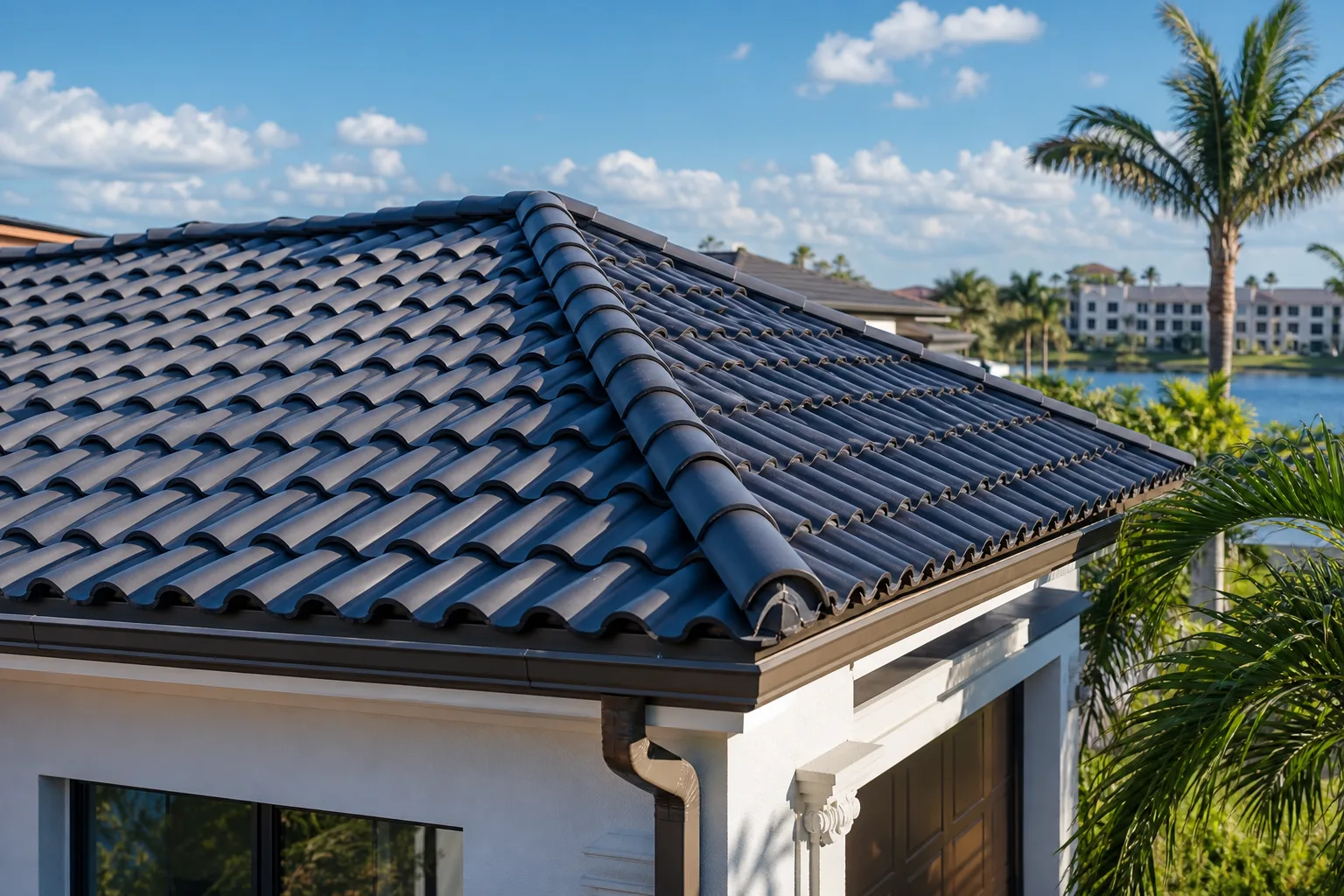
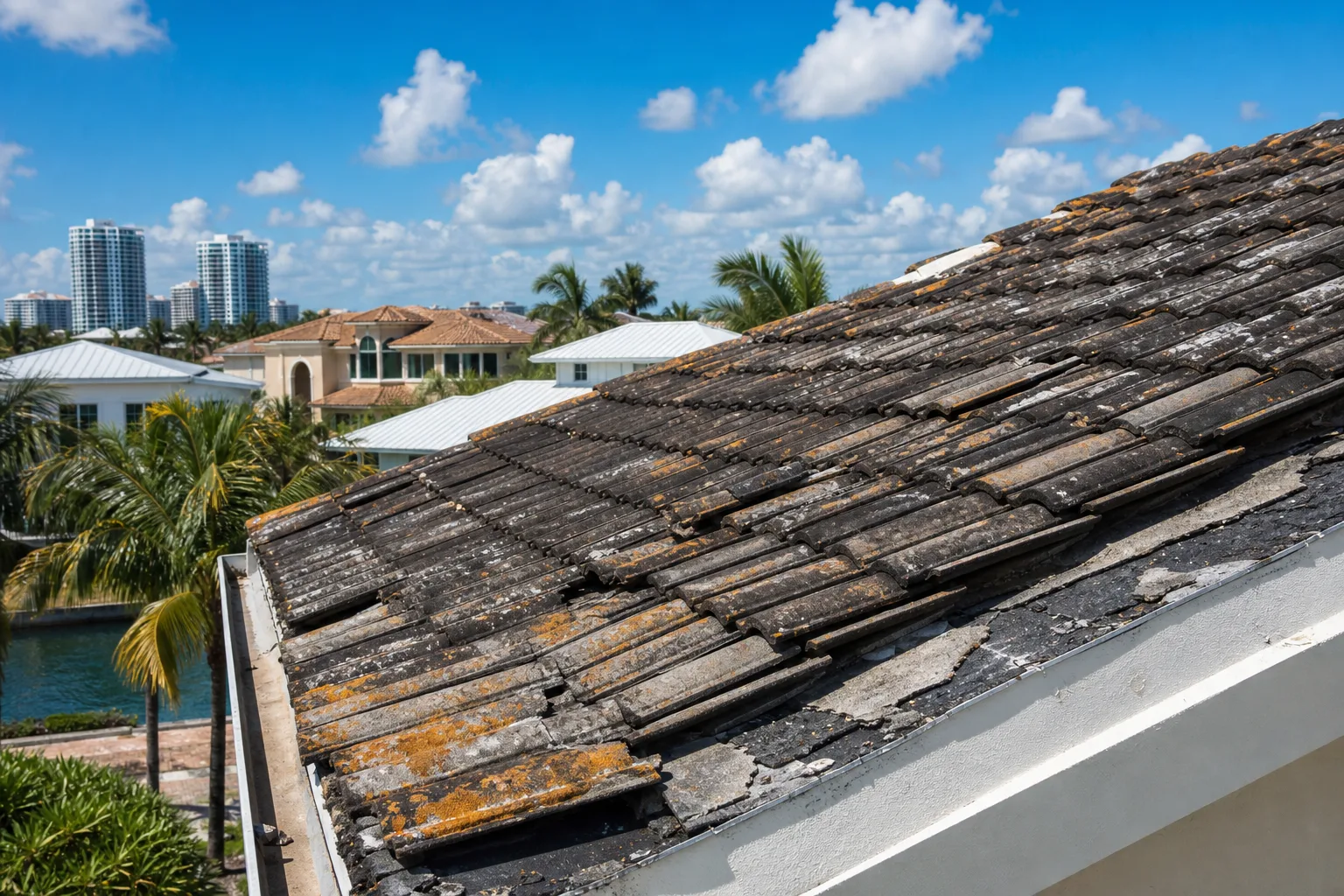
Field material condition. For shingles, look for granule loss, lifting tabs, and cracking. For tile, look for cracked or broken units, slipped tiles, and mortar deterioration at hips and ridges. For metal, look for fastener backing out, panel seam separation, and surface corrosion. Each material has its own failure pattern, which is why the contractor you hire should have experience with your specific system. See our pages on tile roofs, metal roofs, and shingle roofs for more on what normal wear looks like for each.
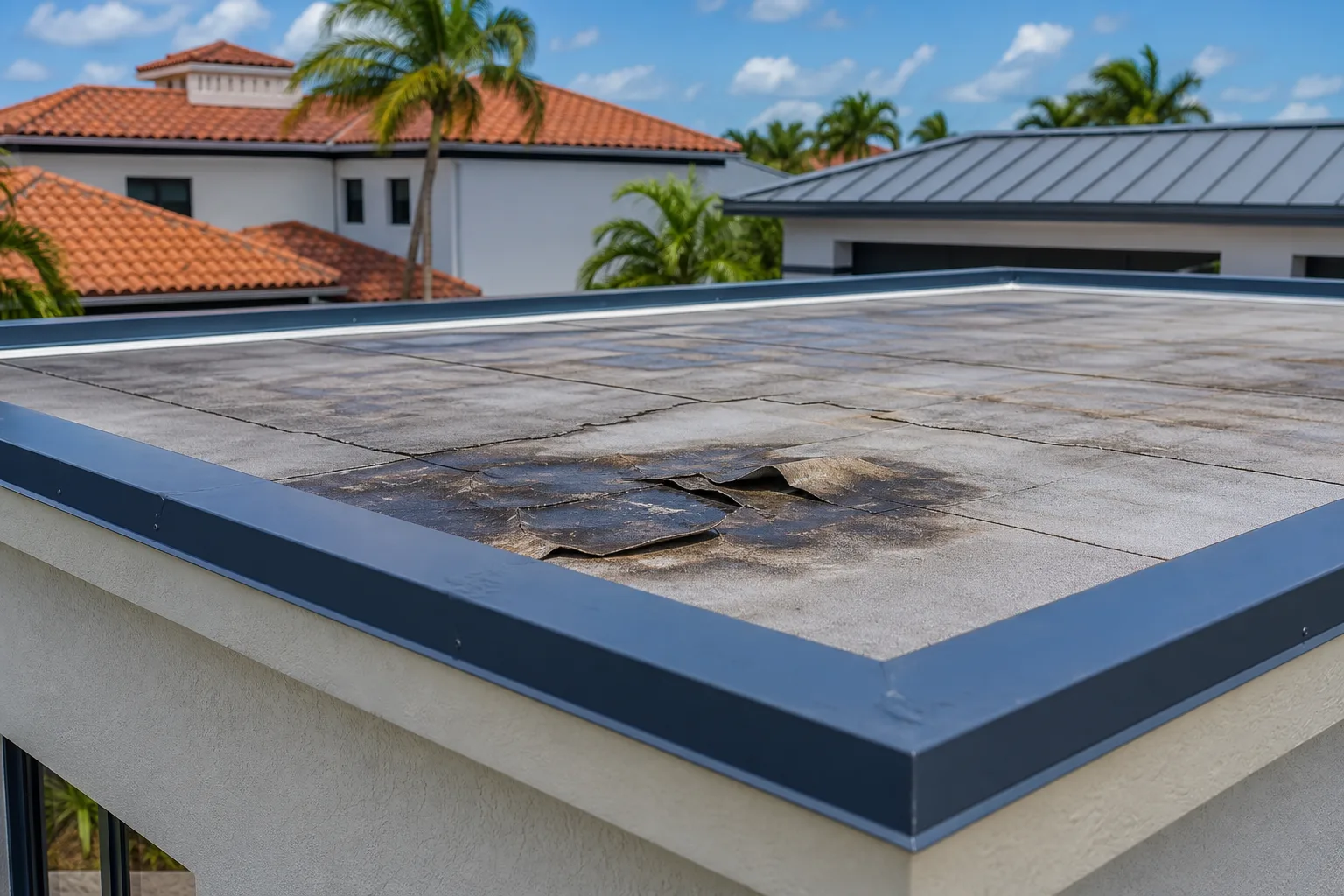
Flashing at all transitions. This means pipe boots, chimney bases if applicable, skylight perimeters, wall-to-roof intersections, and drip edge. Flashing failures can cause roof leaks in South Florida. They are also frequently missed in cursory inspections.
Deck condition where accessible. The inspector should probe or visually assess for soft spots indicating moisture infiltration into the sheathing.
Fastener pattern compliance. Post-Hurricane Andrew, Florida adopted some of the strictest roof attachment requirements in the country. FBC requires specific fastener spacing and patterns depending on wind zone. Older roofs may not meet current code, which affects both structural performance and insurability.
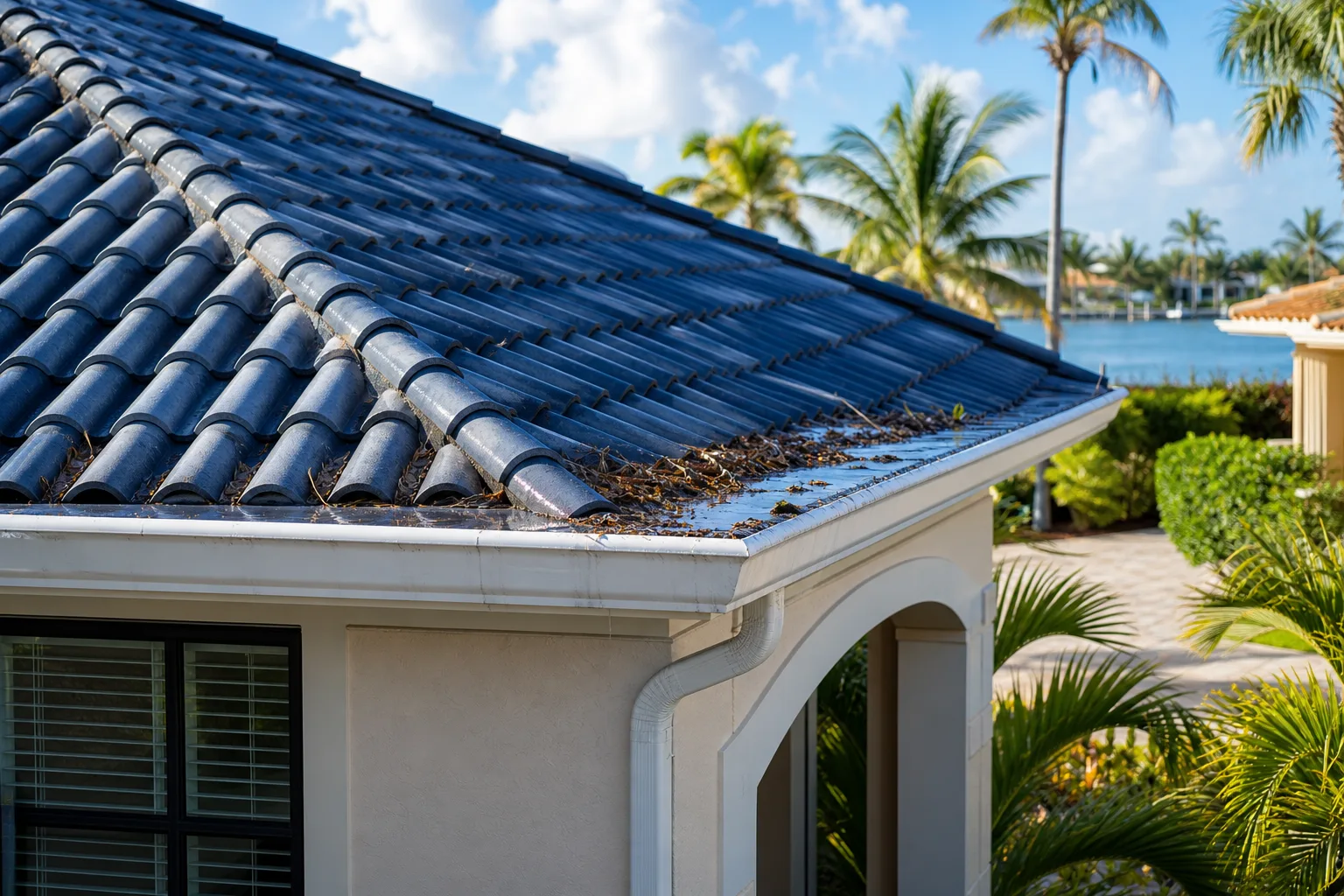
Gutters and drainage. Clogged or improperly pitched gutters back water up against fascia and allow it to work under drip edge. If your gutters have not been inspected alongside your roof, you are only getting half the picture. Learn more about gutter systems and how they connect to roof longevity.
Attic ventilation and signs of moisture. An inspector worth hiring will check inside too, at least in homes where attic access is practical. Mold, staining on rafters, and wet insulation all point to ventilation failures or slow leaks that have not yet shown up on the ceiling below.
Step 4: Document Everything and Keep the Records
An inspection that is not documented is almost useless when it matters most.
After every inspection, ask for a written report with photos. Keep these records in a folder with your permit history, insurance policy, and any repair invoices. Keep reports and photos for future maintenance, underwriting, or claim questions.
If you ever need a roof permit pulled, the building department will want to know the condition of the existing deck before approving a replacement overlay versus a full tear-off. Prior inspection documentation helps answer those questions quickly.
For commercial property managers overseeing multiple buildings, a documented inspection log is essentially a maintenance asset. It supports budgeting, insurance renewals, and tenant disclosures. Our commercial roofing services team works with property managers throughout Palm Beach County on exactly this kind of scheduled maintenance planning.
Common Mistakes
Relying on a general home inspector for roofing assessments. Home inspectors are generalists. They are not licensed roofing contractors, and their liability on roofing findings is limited. For repair diagnosis, a licensed roofer can assess the system; for insurance forms, ask the insurer which authorized inspectors it accepts.
Skipping the post-storm inspection because there is no visible damage. The damage from a Cat 1 or even a strong tropical storm is often not visible from the ground or from inside the house. Lifted flashing and cracked tile can allow water intrusion for months before it shows up on a ceiling.
Waiting until renewal time to think about inspections. Insurance carriers in Florida have become significantly more aggressive about roof age and condition during the underwriting process. If your roof is 15 or more years old and you have not had a recent inspection, you may be at risk of non-renewal. Getting ahead of that conversation with documentation is far better than scrambling after a cancellation notice.
Assuming a new roof means no inspections for a decade. New roofs installed to current FBC standards are more resilient, but they still need periodic verification that installation details, especially flashing and fasteners, are holding up. Manufacturer warranties often have maintenance requirements built in.
Using an unlicensed inspector or contractor. Florida requires roofing contractor licenses for a reason. An inspection from an unlicensed individual carries no professional accountability and may not be accepted by your insurance carrier.
Bottom Line
Regular roof inspections are a practical maintenance choice in Florida. Ask your insurer whether a specific inspection is required for your policy. Set a schedule based on roof condition, warranty, and insurer needs, and inspect after suspected storm damage.
The goal is simple: find small problems before they become big ones, and keep your documentation current so it supports you when you need it most. If your last inspection was more than 12 months ago, or if you have had a storm roll through without a follow-up look, now is the right time to schedule one.
Millennium Makeover has been doing residential and commercial roof inspections in Boynton Beach, Delray Beach, West Palm Beach, Boca Raton, and Lake Worth since 2005. You can contact us to schedule an inspection or browse our project gallery to see the range of roof systems we work on throughout the area.
Is your roof ready for hurricane season?
A pre-season inspection is the cheapest insurance you'll ever buy. Our Storm Center has you covered before and after the storm.
Frequently asked questions
How often do Florida homeowners need a roof inspection?
Florida law does not set a general annual inspection schedule for homeowners. Choose a schedule based on condition, warranty, insurer requests, and suspected storm damage.
Does my homeowner's insurance require a roof inspection in Florida?
Some insurers request roof inspections during underwriting or renewal, depending on the roof and policy. Some carriers require a certified inspection during underwriting or at renewal. Review your declarations page carefully and contact your insurer if you are unsure, because non-compliance can affect coverage or renewal eligibility.
Can a general home inspector do my roof inspection in Florida?
A licensed home inspector can do a general visual assessment, but they are not licensed roofing contractors and their scope and liability on roofing findings is limited. Ask your insurer or building department which inspector qualifications it accepts. Florida authorizes several inspector types for certain insurance inspections; certified roofing contractors use CCC licenses.
Do I need a roof inspection after a tropical storm even if I see no damage?
Yes. Storm damage to flashing, fasteners, and tile is often not visible from the ground or from inside the home. Water can infiltrate a compromised roof for weeks or months before it shows up as a ceiling stain. An inspection can help assess hidden damage; document visible issues and notify your insurer promptly if you may claim.
What does a proper Florida roof inspection cover?
A thorough inspection should assess field material condition (shingles, tile, or metal panels), all flashing at transitions and penetrations, fastener pattern compliance with Florida Building Code, deck integrity where accessible, and gutter drainage. An attic check for moisture or mold signs is also part of a complete inspection.
My roof is brand new. Do I still need annual inspections?
New roofs still need maintenance. Check the actual manufacturer and workmanship warranty terms, and arrange an inspection after suspected damage or when your insurer requests one.