Florida Hurricane-Season Roof Preparation Guide
In this article
Hurricane preparation cannot guarantee that a roof will avoid damage. It can identify visible concerns, preserve project records and reduce last-minute decisions before severe weather.
Inspect before a storm is approaching
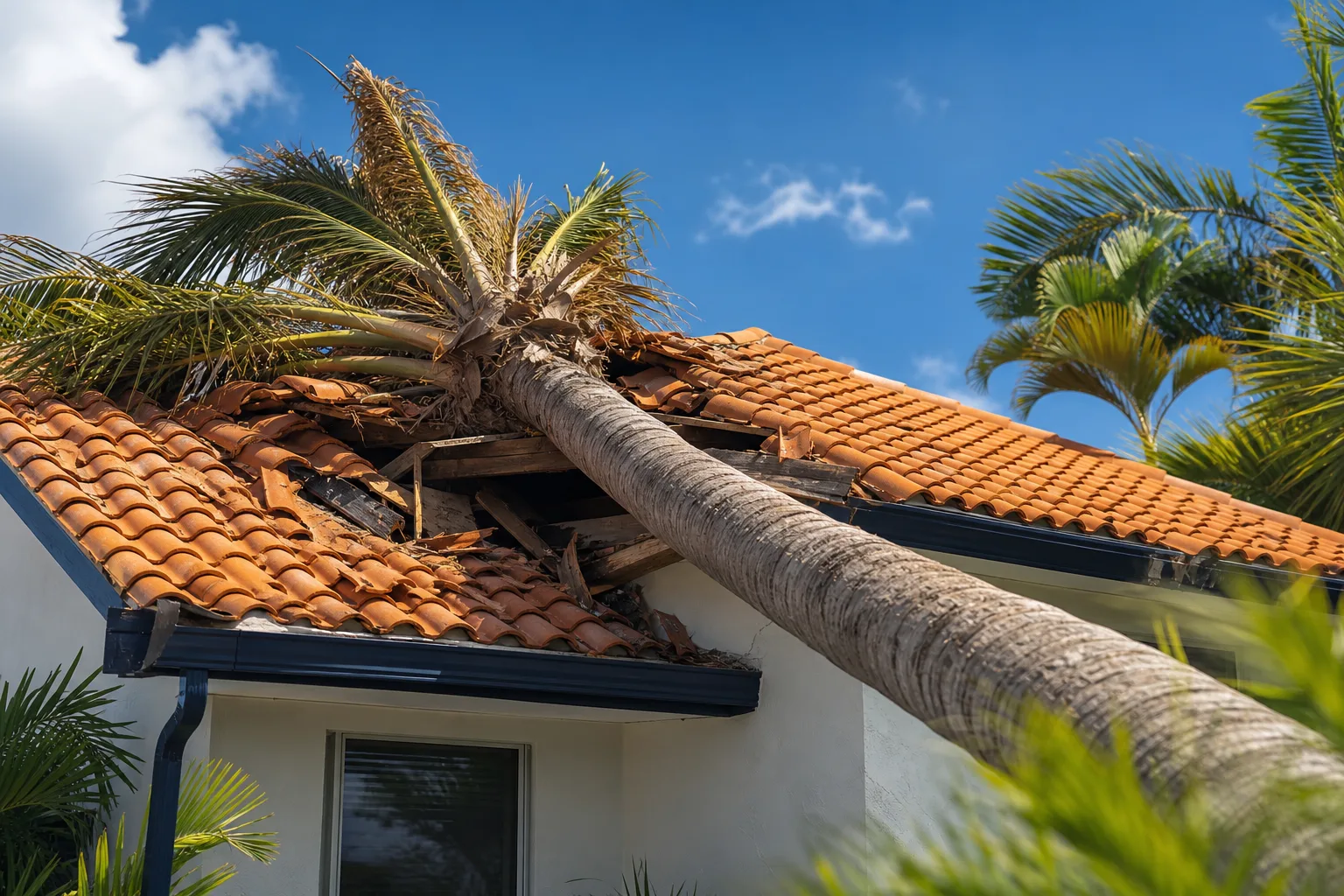
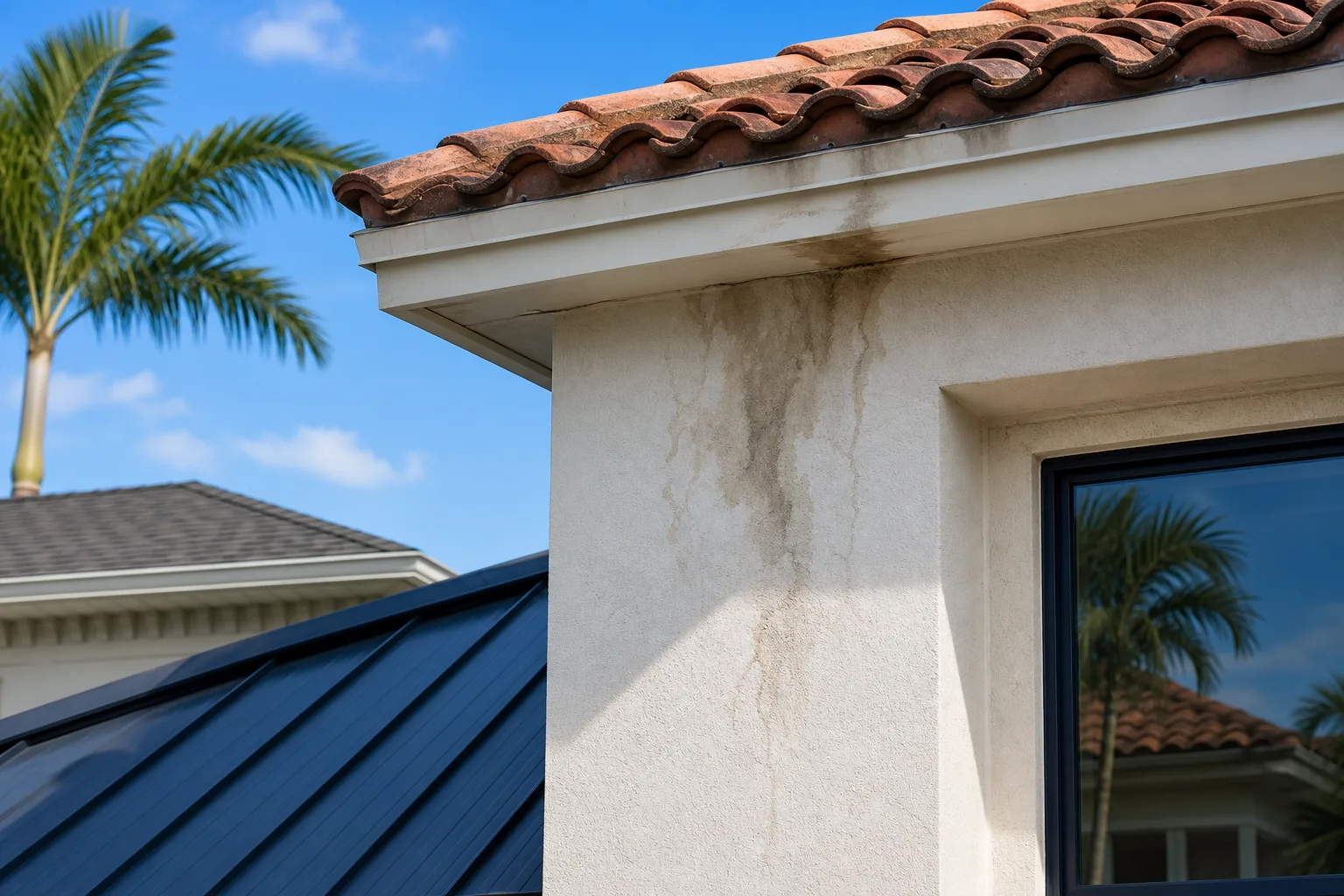
From safe locations, look for displaced or broken materials, loose flashing, deteriorated sealant, blocked drainage, unsecured rooftop items and signs of interior moisture. Hire a qualified professional when roof access or diagnosis is unsafe. An inspection cannot reveal every concealed condition.
Use property-specific wind information
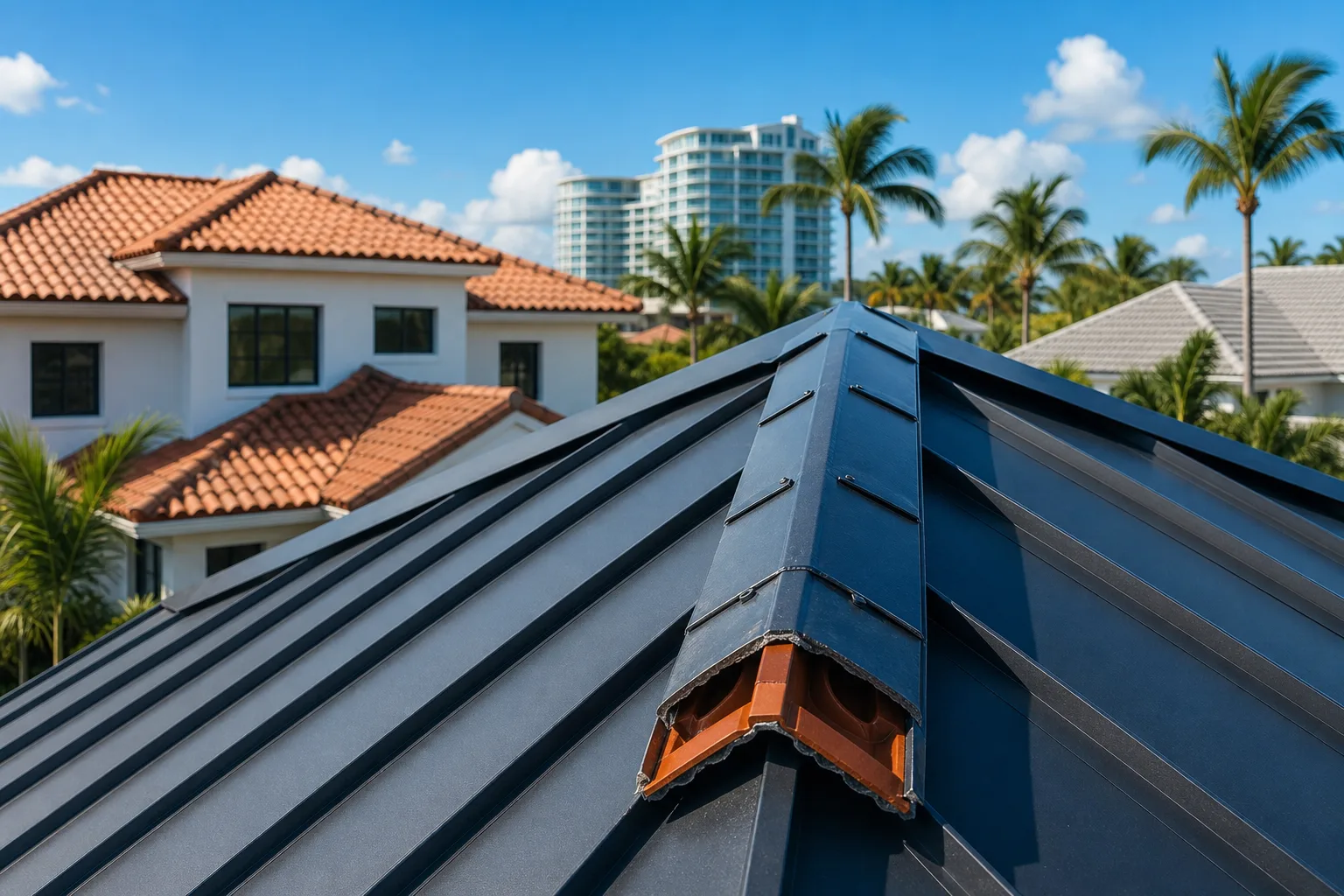
Roof performance depends on the approved product and complete assembly, building geometry, design pressures, roof zones, substrate, fastening and installation. A generic material or miles-per-hour statement does not establish how a particular roof will perform.
Keep records and confirm insurance steps
Retain contracts, permits, inspection records, product approvals, invoices, photographs and written warranty documents. Review the policy and insurer instructions before a loss; deductibles, coverage and documentation are policy-specific. The Florida Department of Financial Services homeowner FAQ is an official starting point.
Plan safe temporary protection
Do not climb onto a wet, damaged or storm-exposed roof. After a storm, report damage promptly, photograph from safe locations and follow insurer and emergency guidance. Temporary protection depends on weather and safe access and is not a permanent repair.