5 Mistakes Homeowners Make Before Hurricane Season Starts
In this article
TL;DR: Most hurricane prep mistakes happen well before June 1. Skipping a roof inspection, misreading your insurance policy, and waiting until the season starts to call a contractor are the three biggest ones. Fix these early and you stay ahead of the backlog and the storm.
Hurricane season runs June 1 through November 30, but the window to act shrinks fast. By May, roofing contractors across South Florida are booking weeks out. By the time a named storm is in the Gulf, permits are stalled and material yards are picked over. The mistakes below are easy to avoid, but only if you start early.
1. Skipping the Pre-Season Roof Inspection
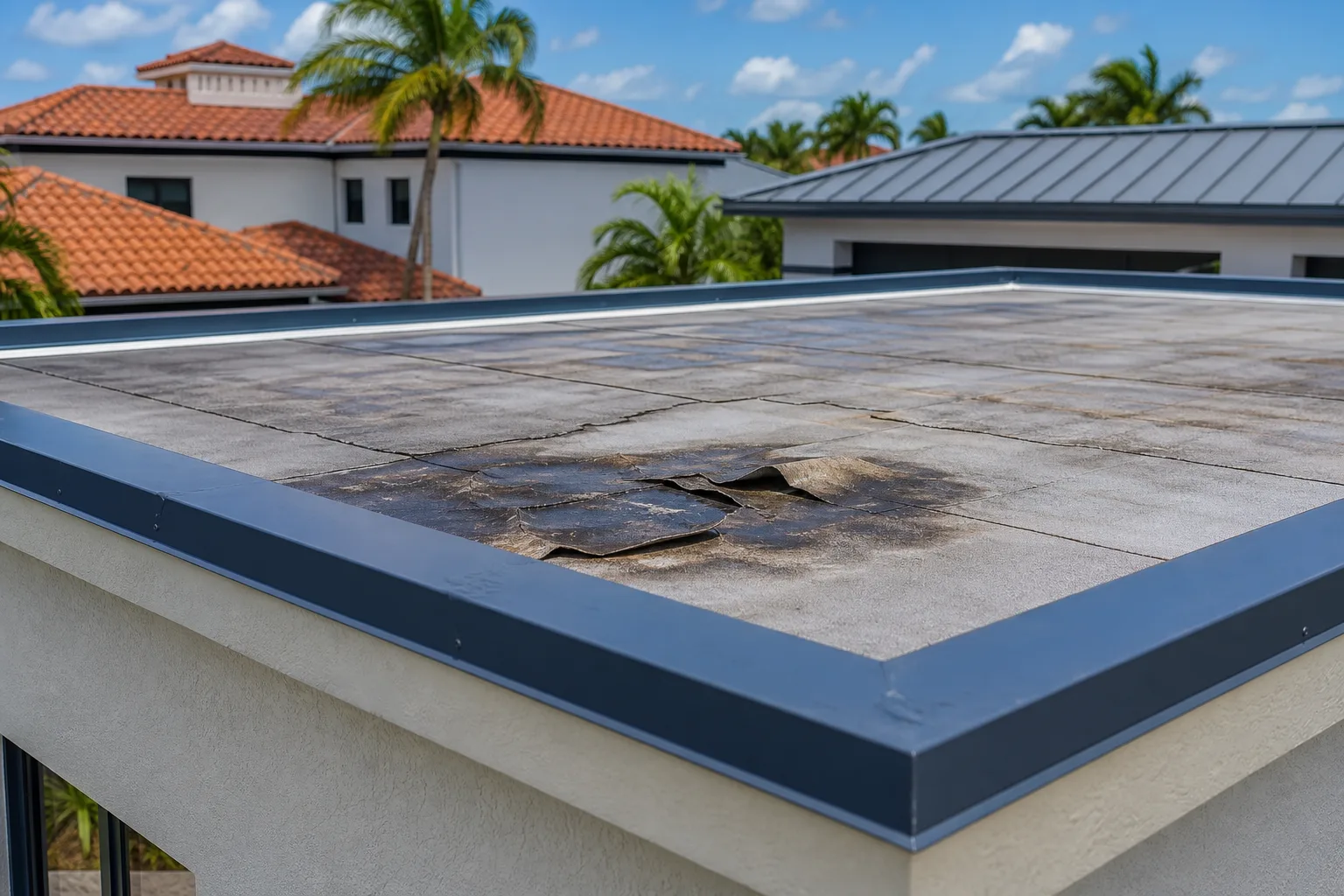
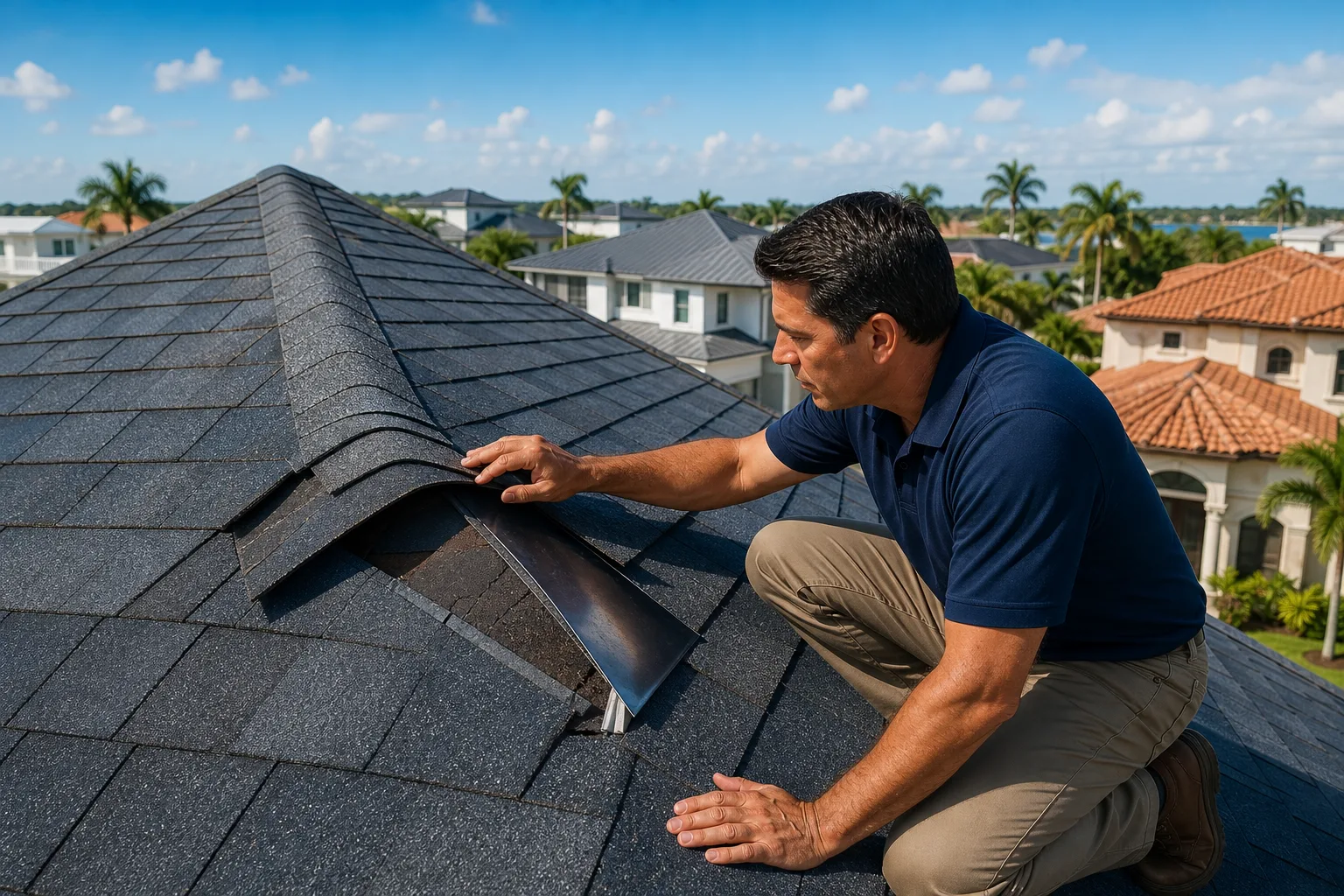
A visual check from the ground tells you almost nothing. Cracked tile, lifted shingle tabs, failed flashing, and compromised ridge caps are often invisible until a contractor gets on the roof.
Florida Building Code (FBC) requires roofs to resist specific wind uplift values depending on your location and roof height. A roof that looks fine from the driveway can still have fastener patterns or underlayment conditions that fall short of current standards. You won't know without an inspection.
Schedule a professional inspection in March or April. That gives time to pull permits, order materials, and complete repairs before the busy season drives up lead times. Learn more about roof repairs or check our Hurricane Storm Center for season-specific guidance.
2. Assuming Your Insurance Policy Covers What You Think It Does
This is one of the most expensive assumptions a homeowner can make. Florida homeowners insurance policies vary widely on wind damage, and many include age-related depreciation clauses, cosmetic damage exclusions, or separate hurricane deductibles that kick in only when a named storm makes landfall.
Read your declarations page before the season starts. Specifically look for:
- The wind or hurricane deductible amount (often 2-5% of insured value, not a flat dollar figure)
- Actual cash value vs. replacement cost value coverage
- Any roof age limitations (thresholds vary by carrier and policy, check your specific declarations page to understand how your insurer handles older roofs)
Our post on how to tell if roof damage is covered by your homeowners policy walks through the key policy language to watch for.
3. Ignoring Gutters and Drainage Before the Rainy Season
Clogged or improperly pitched gutters cause water to back up under fascia and eave edges, which accelerates wood rot and creates a path for water intrusion during heavy rain. South Florida's rainy season arrives with hurricane season, so the two problems compound each other.
Clean gutters in April. While you're at it, check that downspouts discharge at least 6 feet from the foundation and that gutters are pitched correctly toward the outlet. A gutter inspection can catch low spots and failing hangers that would otherwise fail under the volume of a tropical downpour.
Is your roof ready for hurricane season? Visit the Storm Center
4. Waiting Until a Storm Is Named to Call a Contractor
This one is straightforward: once a storm enters the forecast cone, demand spikes immediately. Contractors are booked. Permit offices slow down. Suppliers prioritize existing orders. Pricing on emergency work is higher and your options are narrower.
The South Florida contractor market is competitive, but capacity is finite. Permit processing through county building departments can take one to three weeks for standard roof repair work under normal conditions. That timeline is not realistic during an active storm threat.
If your roof needs any repair work, schedule it now. Get a free instant estimate or request a quote while lead times are still reasonable. Millennium Makeover has served South Florida since 2005 and handles residential roofing projects across Boynton Beach, Delray Beach, Boca Raton, West Palm Beach, and the surrounding area.
5. Overlooking the Age and System Compatibility of Your Roof
A 15-year-old shingle roof in South Florida is not the same as a 15-year-old shingle roof in Ohio. UV exposure, heat cycling, and prior storm stress age roofing materials faster here. Shingles that look acceptable may have lost meaningful wind-uplift resistance due to adhesive strip degradation.
Beyond age, system compatibility matters. If your roof has been re-layered over existing shingles, or has had sections replaced by different contractors over the years, you may have mismatched fastener patterns, incompatible underlayment, or flashing that doesn't tie in correctly. Any of these can become a failure point in a Cat 3.
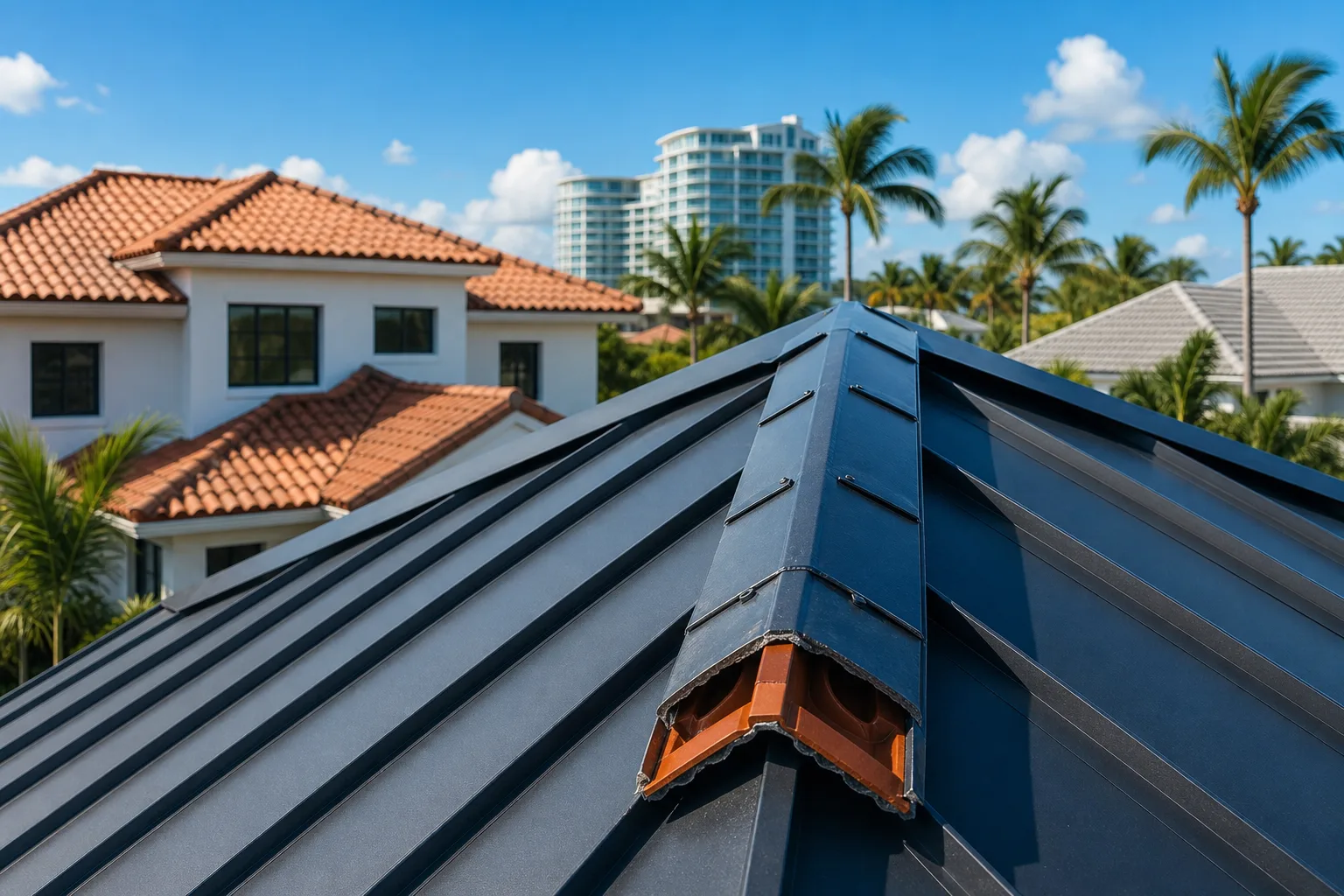
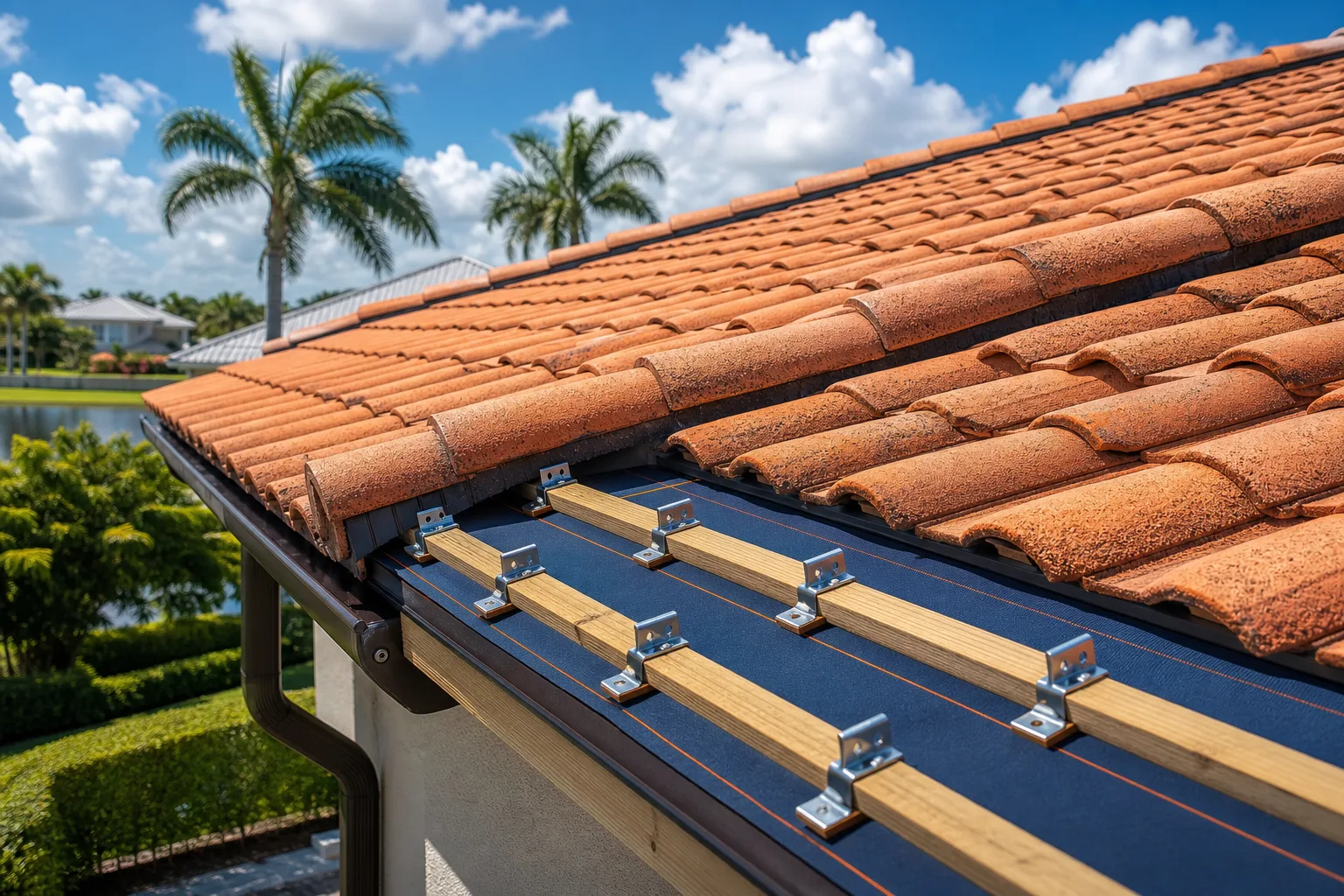
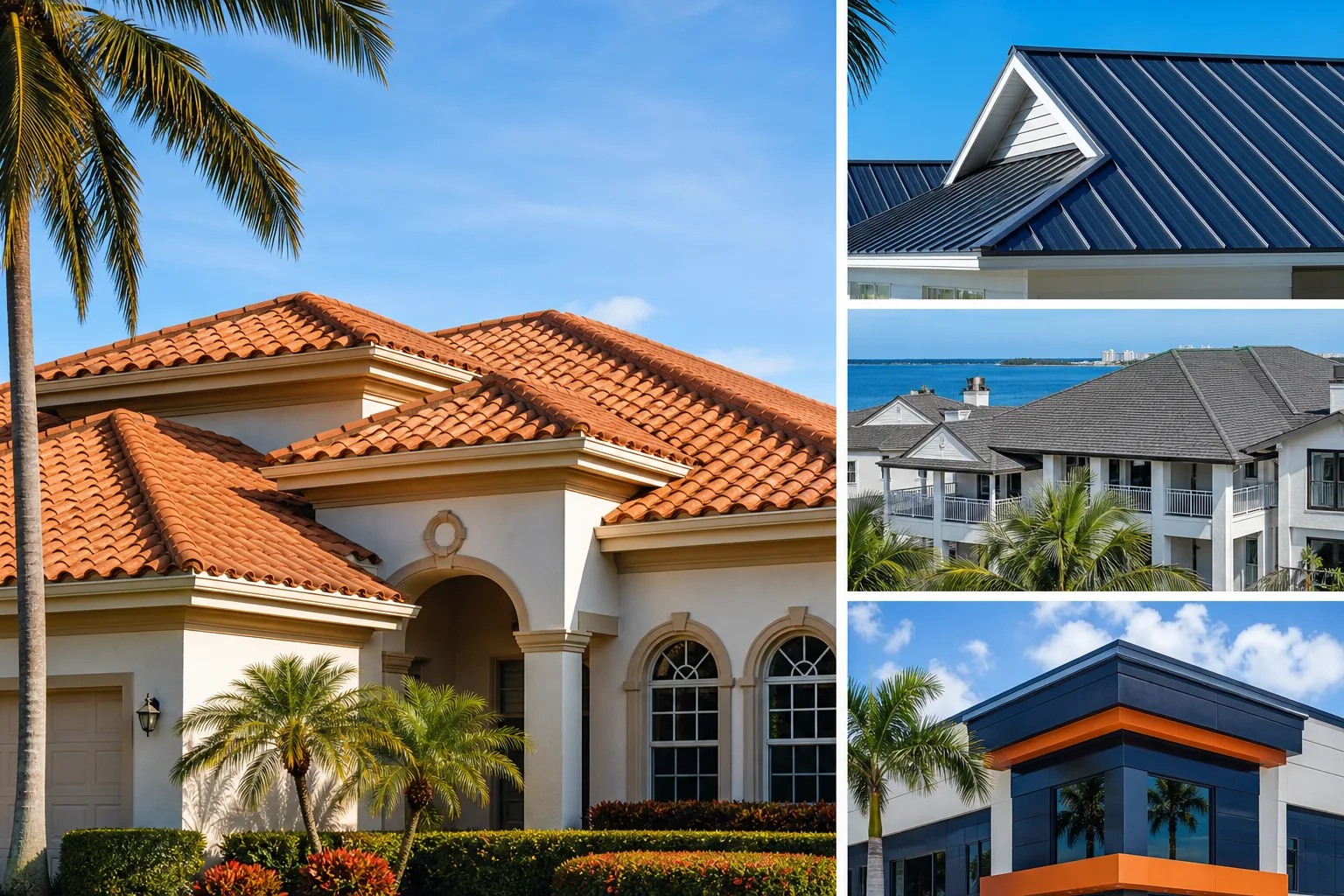
If your roof is approaching 15 years or has had piecemeal repairs, ask for an honest assessment of its remaining service life before hurricane season. Replacing a roof in April is less disruptive, less expensive, and better permitted than replacing it in September after a storm. See our overlay vs. tear-off comparison to understand your options. You can also explore tile roofs, metal roofs, and shingle roofs to compare systems suited to South Florida conditions.
Bottom Line
The homeowners who come through hurricane season with intact roofs are almost always the ones who acted in the off-season. Inspection, insurance review, drainage maintenance, early contractor scheduling, and an honest look at roof age are five tasks that take a few weeks at most. The cost of skipping them shows up in claims delays, emergency repair premiums, and storm damage that a sound roof would have prevented.
Start at our Hurricane Storm Center for seasonal resources, or get a free instant estimate to see where your roof stands today.
Is your roof ready for hurricane season?
A pre-season inspection is the cheapest insurance you'll ever buy. Our Storm Center has you covered before and after the storm.
Frequently asked questions
When is the best time to schedule a roof inspection before hurricane season in South Florida?
March or April is the ideal window. That gives enough lead time to pull permits, order materials, and complete any repairs before contractor schedules fill up in May and June. Waiting until the season starts often means a 4-6 week delay on non-emergency work.
Does a new roof automatically meet current Florida Building Code wind requirements?
A roof installed under a properly pulled permit should meet the code in effect at the time of installation. However, code requirements have been updated multiple times since 2005, so an older roof may not meet current wind uplift standards even if it passed inspection when it was built. An inspection can clarify where your roof stands.
Can I do my own pre-hurricane roof inspection?
You can do a basic ground-level check for missing or visibly damaged shingles and clean your gutters yourself. However, condition issues like failed flashing, lifted fasteners, and adhesive strip degradation require a contractor on the roof. Self-inspection is a useful first step, but it shouldn't replace a professional assessment before each hurricane season.
What roofing materials hold up best in South Florida hurricanes?
Metal and concrete tile roofs generally have strong wind resistance records in Florida when properly installed and fastened to current code. Wind-rated shingles certified to current ASTM standards are a lower-cost option with meaningful wind resistance if installed with the correct fastener pattern. The installation quality matters as much as the material choice.