Can You Replace Only Damaged Tiles on a Florida Roof?

In this article
A few damaged tiles can often be replaced without replacing the entire roof. The catch is that a tile is only the visible layer. Before I recommend a spot repair, I check whether the damage is isolated, whether the underlayment below it is still doing its job, and whether we can make the repair without creating a new weak point.
For homes in Boynton Beach, Delray Beach, Boca Raton, Lake Worth, and West Palm Beach, the right answer depends on the tile condition, roof age, fastening method, underlayment, and the cause of the damage. A careful inspection matters more than the number of broken tiles you can see from the driveway.
What you need
Before arranging tile repair, gather a few practical details:
- Photos of the area from the ground, if you can take them safely. Do not walk a tile roof yourself.
- The age of the roof and any records from its last replacement or repair.
- Any spare tiles left by the original installer.
- Notes on what happened. A falling branch, a service technician, wind, and ordinary aging can leave different clues.
- Information about interior symptoms, including ceiling staining, drips, peeling paint, or damp attic insulation.
- Access to the attic or top-floor ceiling area, if applicable.
If you do not know the roof age or tile manufacturer, that is normal. An experienced roofer can often narrow down what is installed, but confirming an exact match may take some detective work. You can also start by requesting a roof repair evaluation so the visible tile damage and the layers underneath are considered together.
1. Start by separating cosmetic damage from water-shedding damage
Not every marked-up tile needs replacement, and not every small crack is harmless. The first job is to identify what kind of damage is actually present.
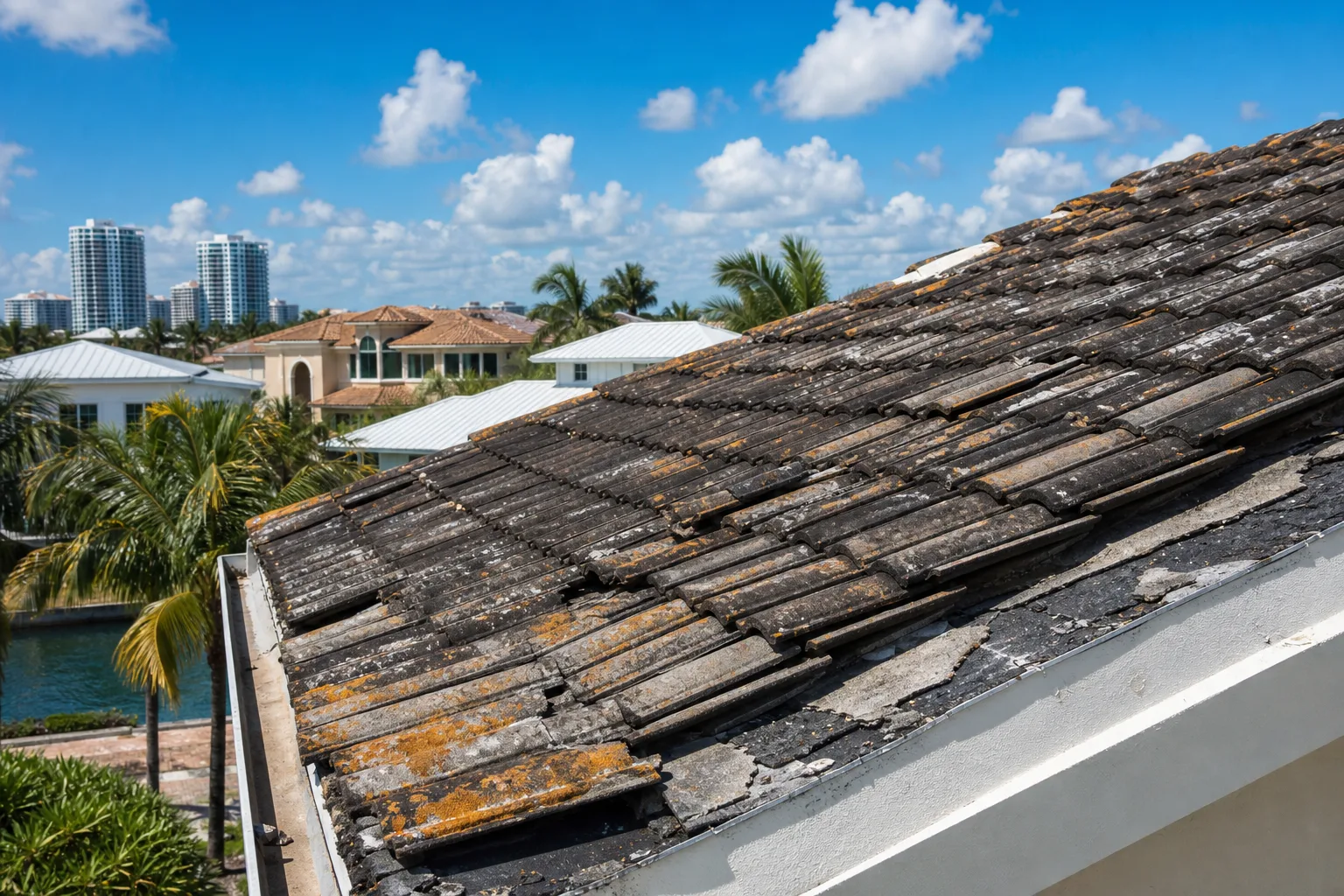
A superficial scuff, faded finish, or minor chip around a noncritical edge may be mostly cosmetic. It may affect appearance without opening a route for water. A broken tile, a tile with a crack through its field, a missing tile, or a tile that has shifted out of its overlap is different. Those conditions can expose the underlayment to direct sun and rain.
On a tile roof, the tiles shed most of the water. The underlayment is the important backup layer below them. When tiles are intact and properly lapped, that underlayment gets less weather exposure. When damaged tiles stay in place for a long time, water can reach areas that were not designed to be exposed repeatedly.
From the ground, I look for obvious gaps, displaced pieces, cracked courses, and irregular lines. On the roof, the inspection gets more specific. I check whether the tile is fractured in a way that affects its overlap, whether neighboring tiles have been disturbed, and whether the break is isolated or part of a larger pattern.
A cluster of cracked tiles can point to foot traffic, impact, installation issues, or roof movement. One broken tile under a tree may be a straightforward impact repair. The circumstances matter.
2. Inspect the underlayment, flashings, and attachments below the tile
This is the step homeowners do not always see, and it is where the repair decision is made. Replacing a cracked tile is relatively simple if the system beneath it is dry, intact, and still serviceable. It is not enough to slide in a new tile and call the job complete.
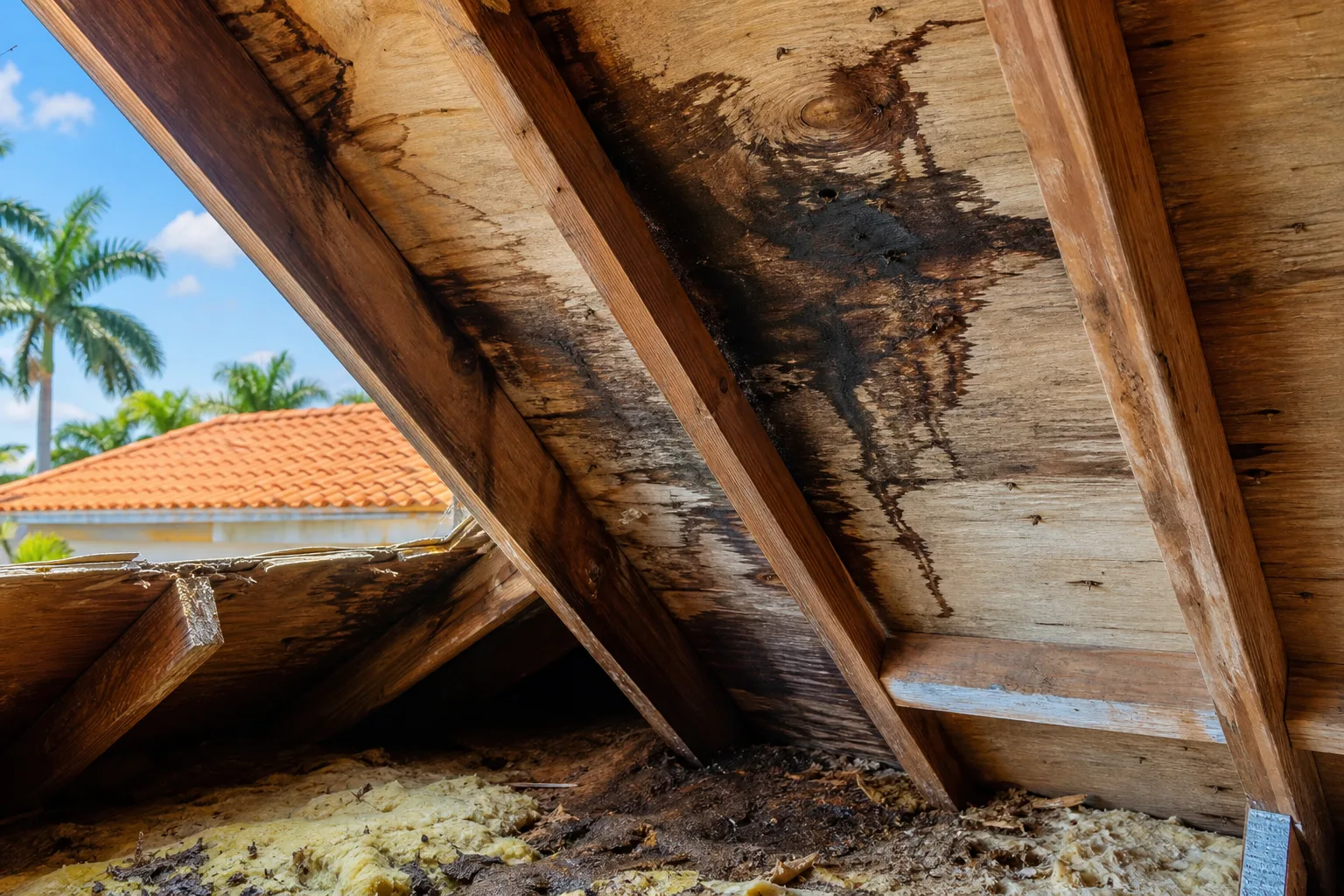
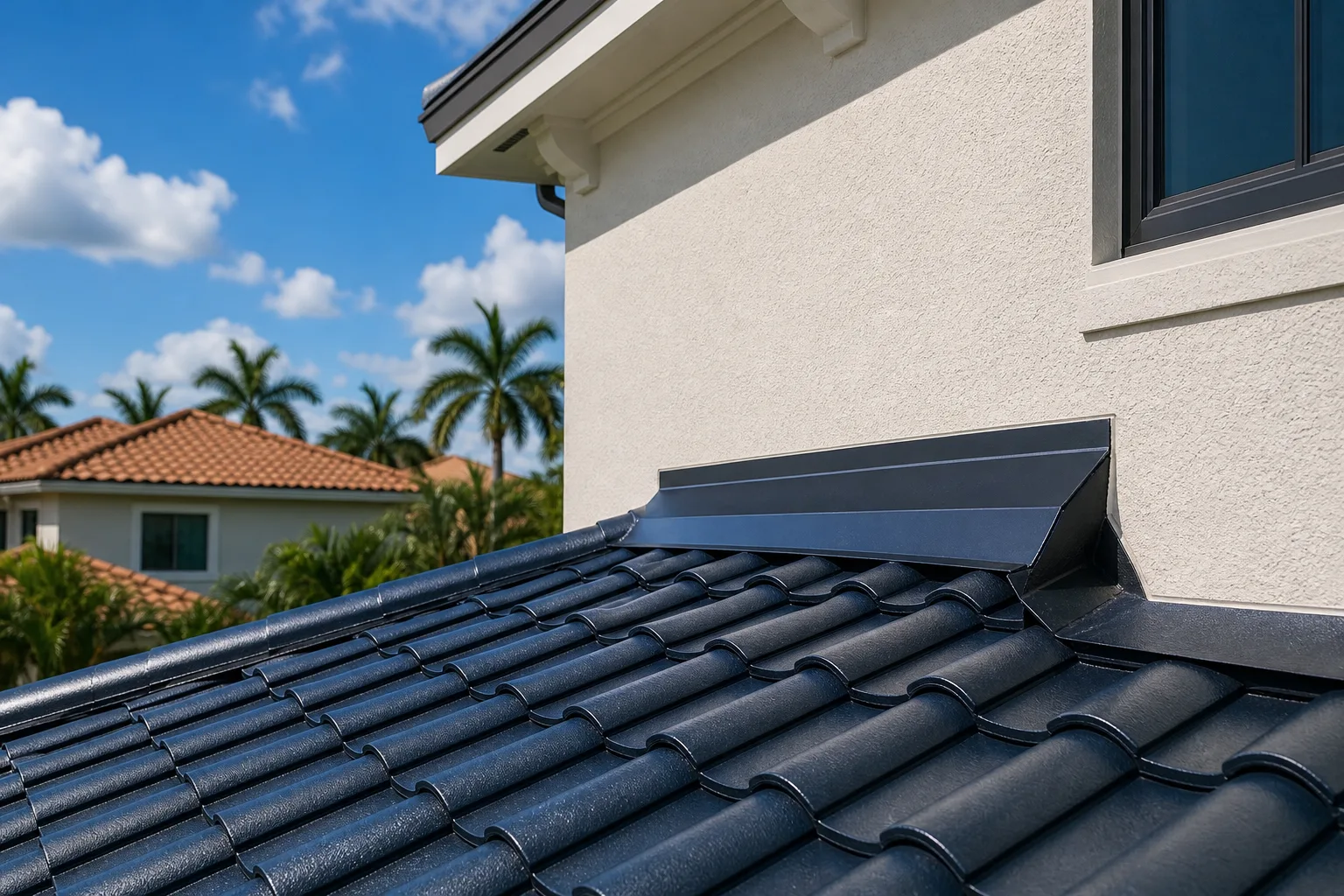
To inspect properly, we carefully lift or remove tiles in and around the affected area. I am looking at the condition of the underlayment, fasteners, battens if present, and any metal flashings nearby. I also check roof penetrations and transitions. Valleys, walls, vents, pipes, skylights, and chimneys deserve extra attention because water concentrates or changes direction there.
Here are examples of what changes my recommendation:
- Sound underlayment and isolated damage: Individual tile replacement is usually a reasonable repair path.
- Underlayment that is brittle, torn, exposed, or failing in several nearby areas: New tiles alone may only cover up a larger problem.
- Damage at a valley or flashing detail: The repair may require opening a wider section so the waterproofing can be restored correctly.
- Repeated leaks with no obvious broken tile: The issue may be beneath the tiles, not in the tile itself.
- Widespread loose, sliding, or cracked tiles: It is time to assess the roof system as a whole rather than price individual pieces.
Inside the home, I also look for supporting evidence. A ceiling stain does not always sit directly below the roof entry point. Water can travel along decking, framing, or underlayment before it appears indoors. That is why a good inspection follows the water path instead of assuming the nearest broken tile is the sole cause.
3. Determine whether the existing tiles can be matched
Yes, a damaged tile can be replaced. The more practical question is whether the replacement will match the existing roof in size, profile, color, and attachment method.
Florida tile roofs use different shapes and systems. A tile that appears similar from the street may not interlock correctly with the tile beside it. The profile, width, length, thickness, headlap, and side-lock configuration all matter. Concrete and clay tiles also age differently, and color changes over years of sun, rain, and cleaning.
If you have leftover tiles from the original installation, keep them. Even a small stack stored in a garage can make future repairs much easier. We inspect those tiles for cracks, warping, and compatibility before using them.
Without spares, a roofer may be able to source a current tile that fits the system. Sometimes a close match is available. Sometimes the tile line has been discontinued, the color has changed, or the old profile is no longer readily available. In that situation, there are a few options:
- Use compatible replacement tiles in a less visible area, if appropriate.
- Move intact tiles from a concealed section and place new compatible tiles there.
- Install a functionally compatible tile and be candid that the color or profile may not blend perfectly.
- If matching is impractical and damage is widespread, consider whether a larger roof project is the more sensible investment.
Do not let appearance be the only deciding factor. A perfect color match that does not fit the profile or fastening approach correctly is not a proper repair. If you are considering a broader tile project, review the options for tile roof systems before deciding whether to keep repairing or plan for replacement.
Spotted a leak or missing tiles? Schedule a repair visit
4. Check how the original tiles are attached before removing anything
Tile removal is not a pry-and-pop job. Florida tile roofs can be attached with nails, screws, foam adhesive, mortar, clips, or combinations of these methods. The attachment approach affects how a damaged tile is removed and how the new tile is secured.
This is especially important around older roofs. A careless repair can crack surrounding tiles, damage the underlayment, or leave a replacement tile inadequately secured. On some roofs, lifting the course above is necessary to access the fastener or attachment point safely. On others, the repair needs a specific technique to avoid breaking the interlock.
During inspection, I check for loose tiles beyond the obvious damaged one. I look at whether the attachment still has holding strength and whether adjacent tiles are stable. A tile that sounds hollow or moves when gently tested may not be an immediate failure, but it deserves attention in the context of the rest of the roof.
For wind-prone South Florida conditions, the goal is not simply to fill a hole. The replacement needs to shed water properly, sit correctly in the course, and be secured according to the roof's system and applicable requirements. That is why the cheapest per-tile quote is not always the best value.
5. Compare repair bids by scope, not just by the tile count
When homeowners ask me why one tile-repair estimate is much lower than another, the answer is often in what the scope leaves out. A quote that says “replace five tiles” tells you very little on its own.
Ask each contractor to explain the work in plain language. You should be able to see whether they are pricing a visible patch or a complete localized repair.
A useful repair proposal should address:
- How many tiles are being replaced and which roof areas are involved.
- Whether the contractor will inspect the underlayment once tiles are lifted.
- What happens if hidden underlayment damage is found.
- Whether flashing, valley metal, or penetration details are included if needed.
- How the replacement tiles will be matched or sourced.
- How the tiles will be secured.
- Whether cracked adjacent tiles found during careful access are addressed.
- Cleanup, debris removal, and protection of landscaping or pool areas.
Be cautious with vague phrases such as “repair as needed” unless the estimate explains the allowance, limits, and approval process. You do not need a complicated document. You do need to know what is included, what could change, and why.
At Millennium Makeover, we aim to show homeowners what we found and explain the repair path before work begins. If you are gathering information, you can request a detailed roofing quote or use the instant estimate tool as a starting point for planning.
6. Decide when spot replacement is no longer the right solution
Individual tile replacement makes sense when the roof has years of service left and the trouble is genuinely localized. It is a repair, not a cure-all. If the roof's waterproofing layer is near the end of its life, repeatedly replacing surface tiles can become an expensive way to postpone a larger decision.
I usually advise a broader evaluation when there are repeated leaks in different areas, many broken or loose tiles, widespread underlayment deterioration, aging flashings, or recurring repair calls. The tiles themselves can sometimes remain attractive and structurally sound while the underlayment beneath them has aged out. That is one reason a tile roof can look fine from the street yet still need substantial work.
A roof replacement decision should be based on evidence, not pressure. Ask to see the failed areas, understand how extensive they are, and learn whether repairs can be made without disturbing an increasingly fragile roof. For a full-system assessment, our residential roofing team can walk through the available paths and the tradeoffs of each.
If damage followed severe weather, document it before temporary repairs or cleanup alter the evidence. Our Hurricane Storm Center has guidance on what to do next, but remember that storm damage still needs an on-roof review to determine whether isolated tile work is enough.
Common mistakes
The biggest mistake is treating every damaged tile as a standalone issue. A tile roof is a layered assembly, and the condition below the tile matters just as much as the tile itself.
Another common mistake is walking on the roof to inspect or replace tiles without the right experience. Tile can crack under poor foot placement, particularly on older roofs. What began as one damaged tile can turn into several, and a fall risk is never worth it.
Homeowners also sometimes accept a close-looking tile without confirming its profile and fit. A mismatched tile can create poor overlap, interfere with adjacent courses, or stand out more than expected. Get the functional compatibility sorted first, then talk honestly about the appearance.
Do not ignore a small interior stain because the broken tile seems minor. The stain may be old, or it may indicate that water got beneath the tile layer. The only way to know is to inspect the roof area and trace the likely path.
Finally, avoid comparing bids solely by the number of tiles listed. A lower number can mean the estimate excludes underlayment work, flashing details, access precautions, or a plan for hidden conditions. Compare what each contractor will actually inspect and restore.
Bottom line
Yes, you can often replace only the damaged tiles on a Florida roof. It is the right move when the damage is isolated, replacement tiles can be fitted correctly, and the underlayment and surrounding details are still in good condition.
The proper answer comes from lifting the affected area and checking the system below, not from counting cracked pieces from the ground. Get a repair scope that explains tile matching, attachment, underlayment inspection, and what happens if deeper damage appears. That gives you a clear basis for choosing a targeted repair or planning for more extensive work.
Spotted a leak or missing tiles?
Small problems get expensive fast in the Florida sun. Get it looked at by a local crew before the next storm.
Frequently asked questions
Can one cracked tile cause a roof leak?
It can, particularly if the crack affects the tile's water-shedding area or allows direct weather exposure below. The underlayment may protect the home for a time, but it should be inspected because prolonged exposure can lead to failure beneath the tile.
Can replacement roof tiles match my existing tile roof?
Sometimes an exact match is available, especially if you have spare tiles from the original installation. If the product is discontinued or weathering has changed the roof color, a compatible tile may be the practical option, though it may not blend perfectly.
How do roofers replace a damaged tile without breaking nearby tiles?
The method depends on the tile profile and attachment system. A qualified roofer carefully lifts surrounding courses as needed, removes the damaged tile without harming the underlayment, and secures the replacement so it sits and sheds water correctly.
When is replacing individual tiles not enough?
Spot repair may not be enough when leaks recur, many tiles are loose or cracked, or the underlayment below the tiles is deteriorated across multiple areas. In those cases, a full roof-system evaluation is more useful than repeated surface patches.
Should I walk on my tile roof to inspect damaged tiles?
No. Tile roofs can be damaged by improper foot placement, and roof access carries a real fall risk. Take photos from the ground when safe and have a licensed roofing professional inspect the affected area.