How Roof Deck Damage Gets Missed Until It's Too Late
In this article
TL;DR: Roof deck damage hides under shingles, tile, and underlayment, so it often doesn't show up until there's a soft spot, a sag, or someone's foot goes through it during a re-roof. Catching it early means paying attention to what's happening inside your attic, not just what the roof looks like from the street.
Why This Gets Missed So Often
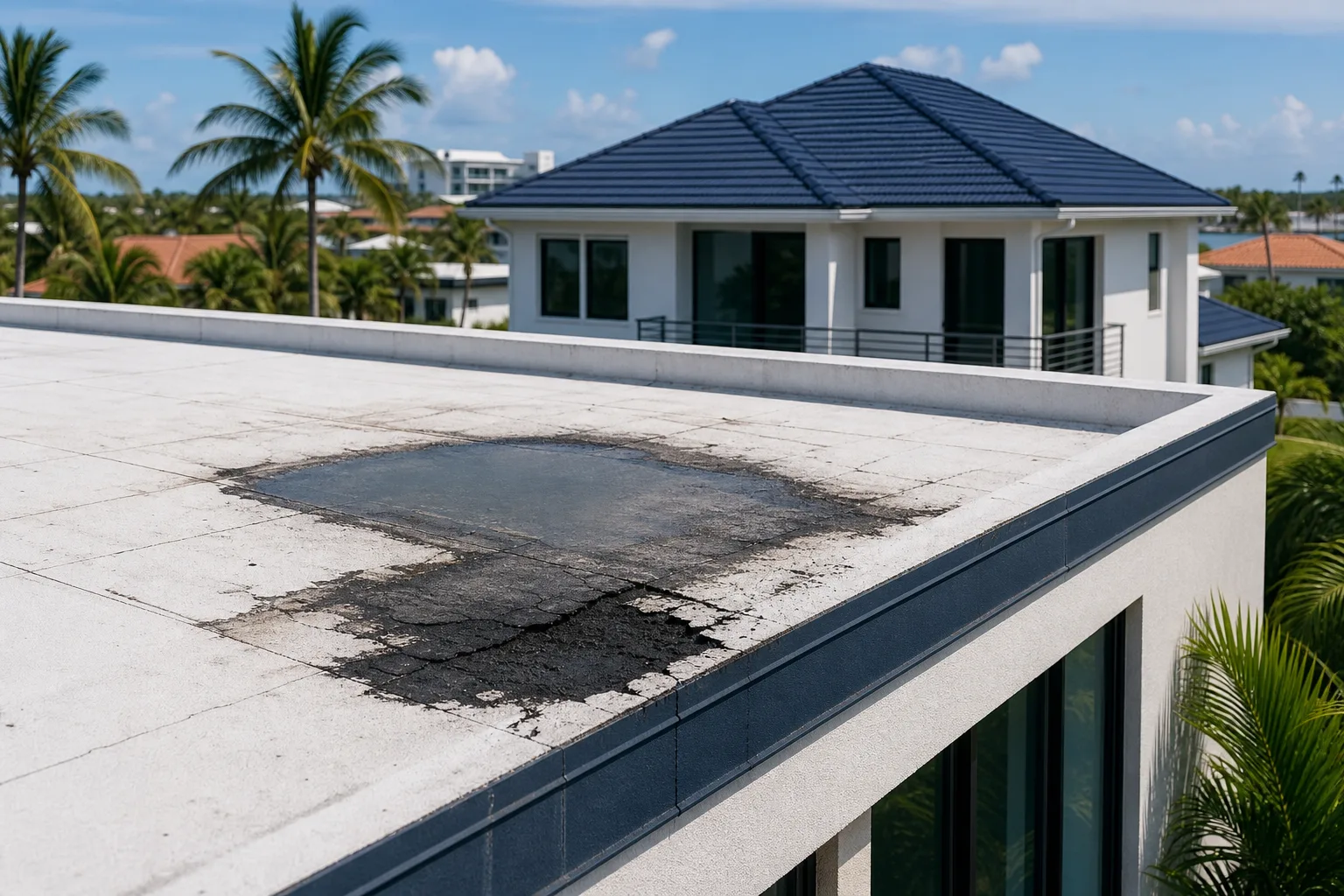
I've pulled off thousands of roofs since 2005, and the deck is where the real story gets told. The shingles or tiles on top can look fine, decent color, no visible cracks, nothing waving in the wind, while the plywood underneath is soft as cardboard.
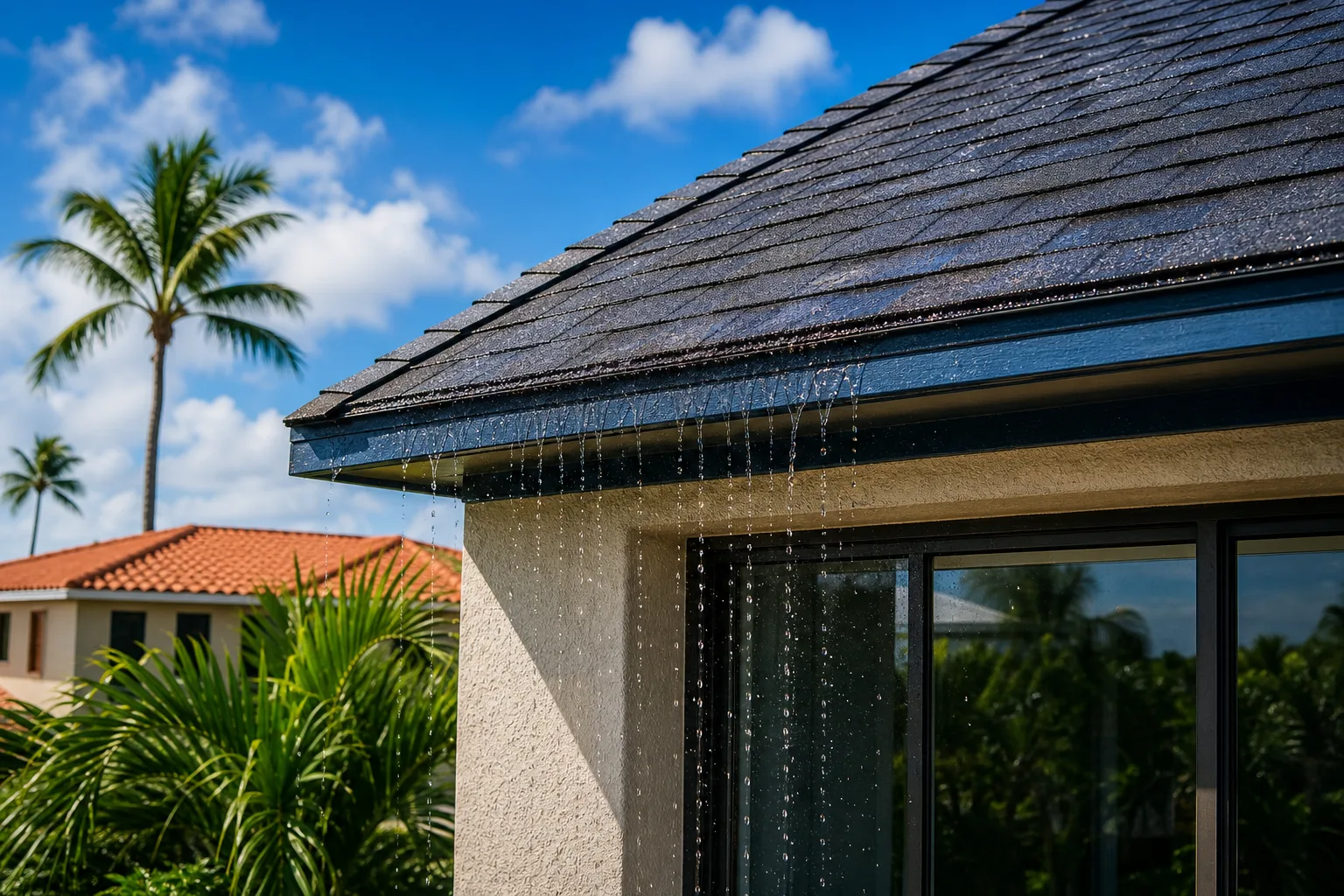
Here's why it happens. Water doesn't usually pour through a roof in a dramatic leak. It seeps. A cracked tile, a nail pop, a bad flashing seam lets in a trickle every time it rains. That trickle sits on the decking, gets absorbed into the wood fibers, and slowly breaks down the plywood or OSB from the top down. From the street, or even from a quick walk on the roof, everything looks normal. The damage is happening underneath, out of sight, for months or years.a
Add in South Florida humidity and you've got a slow-cook situation. Wet decking that never fully dries between rain events doesn't just rot, it can grow mold and lose structural strength while the surface material above it looks completely intact.
What You Need
- Attic access with a flashlight (a headlamp is better, keeps both hands free)
- A basic moisture meter if you want to go beyond visual checks (not required, but helpful)
- A long screwdriver or awl to gently probe suspect wood
- Binoculars for checking the roofline from the ground
- Photos from your last roof inspection or install, if you have them, for comparison
- A licensed roofer's eyes if you find anything questionable, this isn't a DIY repair situation
Step 1: Check the Attic, Not Just the Roof
Most homeowners never go up in the attic unless something's dripping. That's backwards. The attic is where deck damage announces itself long before it's visible from outside.
Go up on a dry day and look for dark staining on the underside of the decking, especially around vent pipes, chimneys, and valleys. Staining doesn't always mean active leaking, sometimes it's an old leak that got fixed, but it tells you where water has traveled before. Press on stained areas gently with a screwdriver handle. Solid wood resists. Spongy or crumbly wood means the fibers have broken down.a
Also check for daylight coming through anywhere it shouldn't, and look at the nail tips coming through the deck. Rusted, discolored nail shanks are often a sign that moisture has been sitting in that wood for a while.
Step 2: Look for Sagging or Waviness From the Ground
Stand back from the house, across the street if you can, and look at the roofline in raking light, early morning or late afternoon works best because shadows show contour. A healthy roof deck is flat and consistent. Rotten decking under tile or shingles often shows up as a slight dip or wave, sometimes just a few inches across, sometimes a whole section that looks like it's settling.
This is subtle. Most people drive past their own roof every day and never notice it because the eye adjusts. That's part of why deck damage gets missed, it happens slowly enough that nobody catches the change.
Step 3: Pay Attention to Interior Clues
Ceiling stains get blamed on "the roof" constantly, but by the time a stain shows up on drywall, water has already traveled through the deck, through the underlayment, and through the attic insulation. That's a late-stage sign, not an early one.
Earlier clues inside the house include musty smells in upstairs rooms, closets that stay damp, or a slight give when you walk near a skylight or roof penetration on an upper floor. None of these prove deck damage on their own, but together they're worth investigating before they turn into a bigger repair.
Spotted a leak or missing tiles? Schedule a repair visit
Step 4: Get a Real Inspection, Not a Drive-By Quote
This is where I'll be blunt. A lot of the storm-chaser crews that show up door to door after a bad weather week aren't climbing into your attic or probing your decking. They're looking at your roof from a ladder for five minutes and writing up a number. That's not an inspection, that's a sales pitch with a clipboard.
A proper inspection includes attic access, probing suspect areas, and checking moisture patterns against where flashing, valleys, and penetrations sit. If a contractor gives you a full replacement quote without ever going into your attic, ask why. Sometimes there's a good reason (no access, safety issue), but usually it just means they skipped a step that matters.
If you're not sure what condition your roof is in, starting with a free instant estimate or a full quote request gets you an actual look from people who deal with Florida decking problems daily, not a guess based on curb appeal.
Step 5: Understand What Happens During a Re-Roof
Deck damage often gets discovered mid-project, when the old roofing material comes off and the crew can finally see the plywood directly. This is normal and it's not a scam. Rotten sections get cut out and replaced with new decking before anything goes back down. If your contractor tells you upfront that some deck replacement is likely, or that it's billed separately if found, that's honest pricing, not an upsell.a
What's not normal is a crew nailing new shingles or tile straight over decking they know is soft, just to save time or avoid a change order conversation. That's a shortcut that costs the homeowner years later. Whether you're doing a residential roof replacement or handling a commercial roofing project, the deck has to be solid before anything else goes on top. There's no way around it.
Step 6: Match Repairs to the Right Roofing System
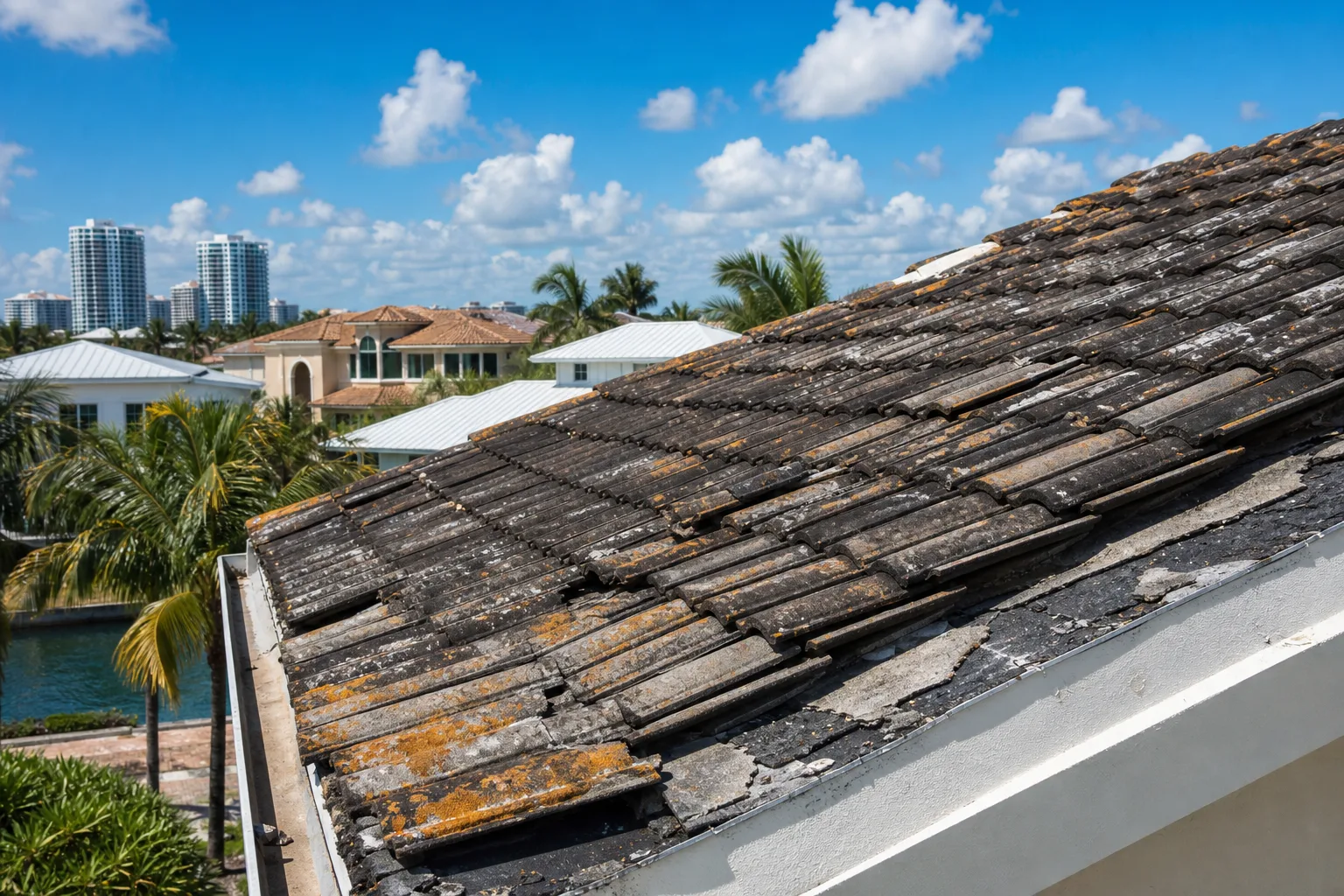
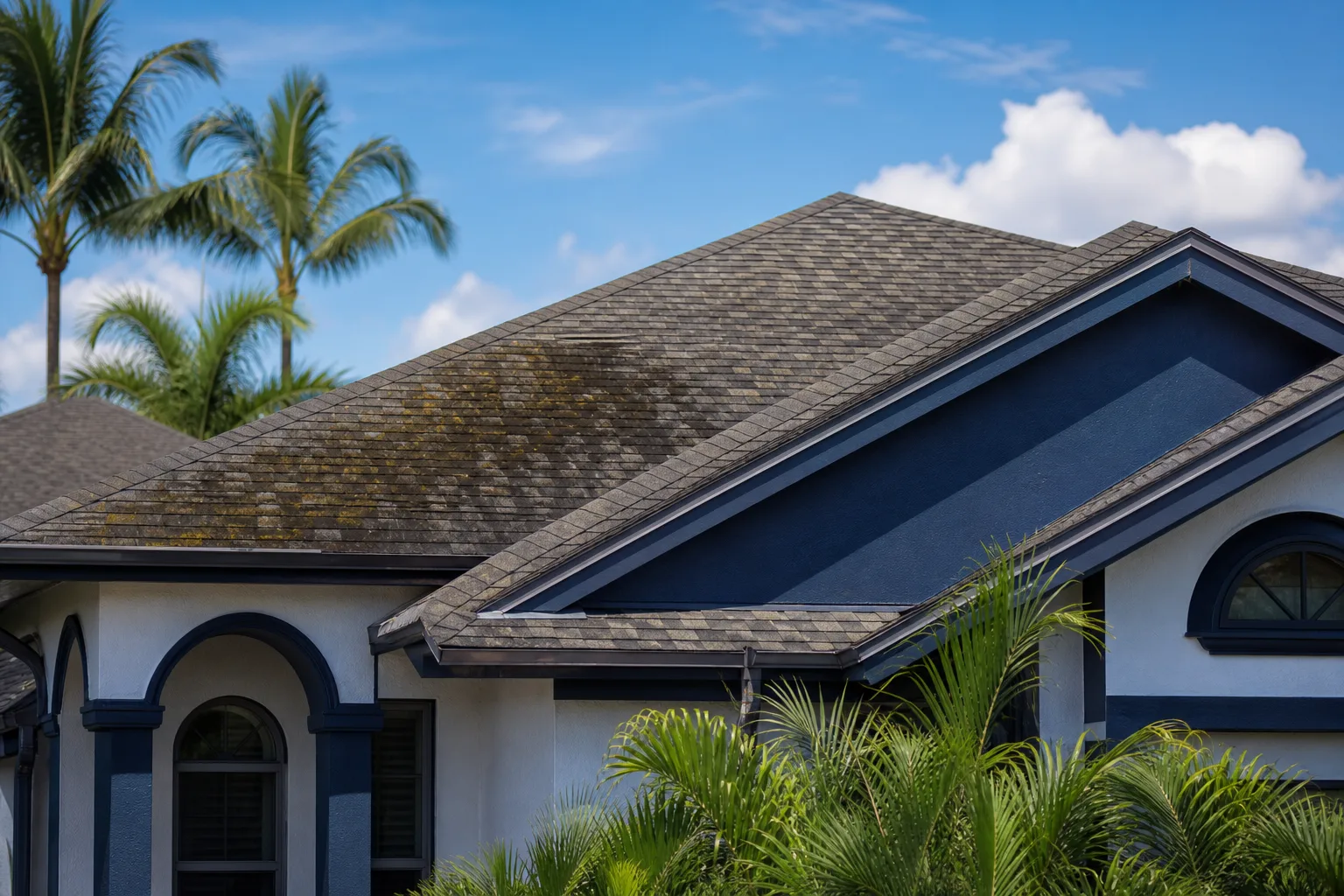
Deck damage patterns differ depending on what's on top. Tile roofs tend to hide deck problems longer because the tile itself can look perfectly fine while the batten and underlayment underneath fail. Metal roofing systems, when installed with proper venting and underlayment, tend to keep decks drier, but poor installation can trap condensation just as easily. Shingle roofs usually show surface wear (curling, granule loss) around the same time deck problems start, which is actually helpful, it gives you an earlier warning sign.
If you're dealing with a leak that seems isolated, it's worth knowing that not every deck issue requires a full tear-off. Our roof repair services team can assess whether a section repair makes sense or whether the damage has spread far enough to need bigger scope.
Step 7: Factor In Storm History
After any named storm, hidden deck damage becomes more likely even if the roof surface looks untouched. Wind-driven rain can force water under ridge caps, around flashing, and into vents in ways that don't show up as missing shingles or cracked tiles. If your area has taken a direct or near hit, it's worth a post-storm attic check even if nothing looks wrong outside. Our Hurricane Storm Center has more on what to check after a storm passes through South Florida.
Common Mistakes
Assuming a roof is fine because there's no visible leak. Leaks are a late symptom. Deck rot can be well underway before water ever reaches your ceiling.
Skipping attic checks because it's hot, dusty, or inconvenient. I get it, South Florida attics in July are brutal. But a 15-minute check twice a year beats finding out during a re-roof that half the deck needs replacing.
Trusting a five-minute roof inspection. If nobody climbs into the attic or probes suspect areas, it's not a real inspection. It's a quote based on guesswork.
sIgnoring musty smells or damp closets upstairs. These get written off as humidity issues (and sometimes that's all it is) but they're worth ruling out as roof-related before assuming it's nothing.
Letting a lowball bid drive the decision. A contractor who prices a re-roof suspiciously low sometimes plans to skip deck replacement even where it's needed, just to hit that number. Ask specifically how deck damage will be handled and priced before signing anything.
Delaying repairs on small soft spots. A localized soft area caught early might be a simple repair. Left alone through a few more rainy seasons, it spreads, and spreading deck damage eventually threatens the structural nailing pattern for the whole roof system.
Bottom Line
Roof deck damage is sneaky because it happens where nobody looks. The fix isn't complicated: get into your attic a couple times a year, pay attention to subtle signs like staining, sagging, and musty smells, and don't accept an inspection that skips the parts you can't see from the ground. If you've had storm damage, an aging roof, or you just haven't checked your attic in a while, it's worth getting a proper look before a soft spot becomes a structural problem. Check out our project gallery to see what proper deck replacement looks like, or contact us if you want someone to actually climb up and check.
Spotted a leak or missing tiles?
Small problems get expensive fast in the Florida sun. Get it looked at by a local crew before the next storm.
Frequently asked questions
How do I know if my roof deck is damaged without tearing off the roofing material?
Start in the attic. Look for staining on the underside of the decking, press on suspect spots with a screwdriver handle to check for sponginess, and check for daylight or rusted nail tips. Combine that with a from-the-ground check of the roofline for sagging or waviness.
Can a roof look completely fine and still have a rotten deck underneath?
Yes, and it's actually common. Shingles or tile can look intact on the surface while slow, small leaks have been softening the plywood underneath for months or years. That's why attic checks matter more than curb appeal.
Does finding deck damage during a re-roof mean I got scammed?
No, that's actually normal and expected on many older roofs. Deck damage often can't be fully confirmed until the old roofing material is removed. What matters is whether your contractor priced it honestly upfront and shows you the damage before replacing it.
Is deck damage covered by insurance?
It depends on your policy and the cause of the damage. Storm-related deck damage is often covered, while damage from long-term neglect or gradual wear typically isn't. Check your specific policy language and document the damage well before filing a claim.
How often should I check my attic for roof deck problems in South Florida?
A couple of times a year is a reasonable baseline, plus after any major storm or heavy rain event. Humidity and storm exposure here make South Florida attics more prone to hidden moisture issues than drier climates.
Can I replace just the damaged section of decking instead of the whole roof?
In many cases, yes, if the damage is localized and caught early. A licensed roofer can cut out and replace bad sections during a repair rather than a full tear-off, but that depends on how far the rot has spread and the condition of the surrounding wood.