TPO Meaning in Roofing: What the Letters Stand For and Why It Matters
In this article
TL;DR: TPO stands for thermoplastic polyolefin, a single-ply membrane roofing material most often seen on flat or low-slope roofs. It's reflective, seam-welded, and common on commercial buildings and additions, but it's not used on steep residential roofs with shingles or tile. If you're seeing the term on a quote or spec sheet, this breaks down exactly what you're looking at.
What Happened: The Term Keeps Showing Up on Quotes and Specs
If you searched "TPO meaning in roofing," you probably ran into it on a commercial roof quote, a flat-roof addition estimate, or while reading about roofing materials online and hit an acronym with no explanation. TPO stands for thermoplastic polyolefin. It's a type of single-ply roofing membrane, meaning it comes in large rolled-out sheets rather than individual shingles or tiles.
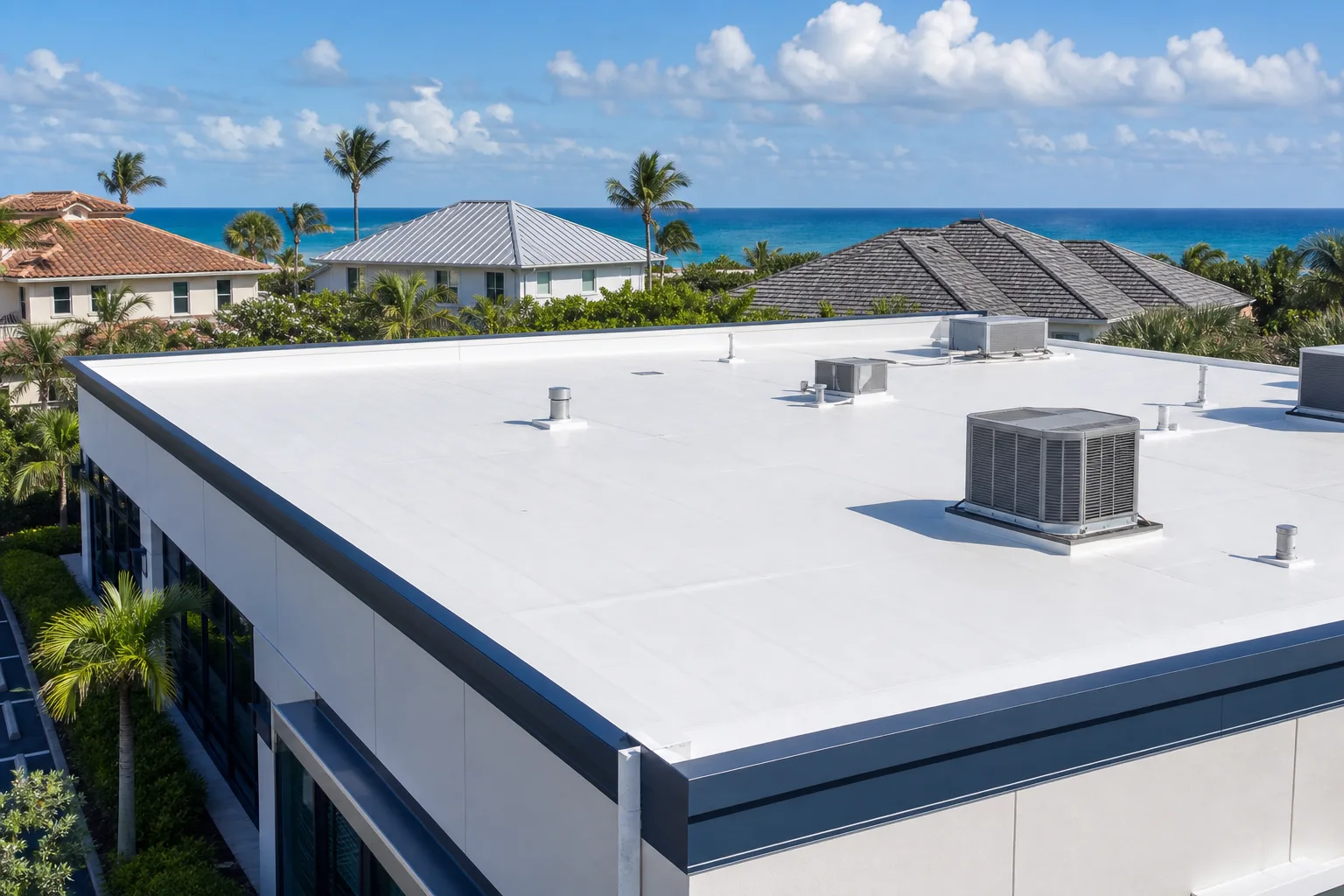
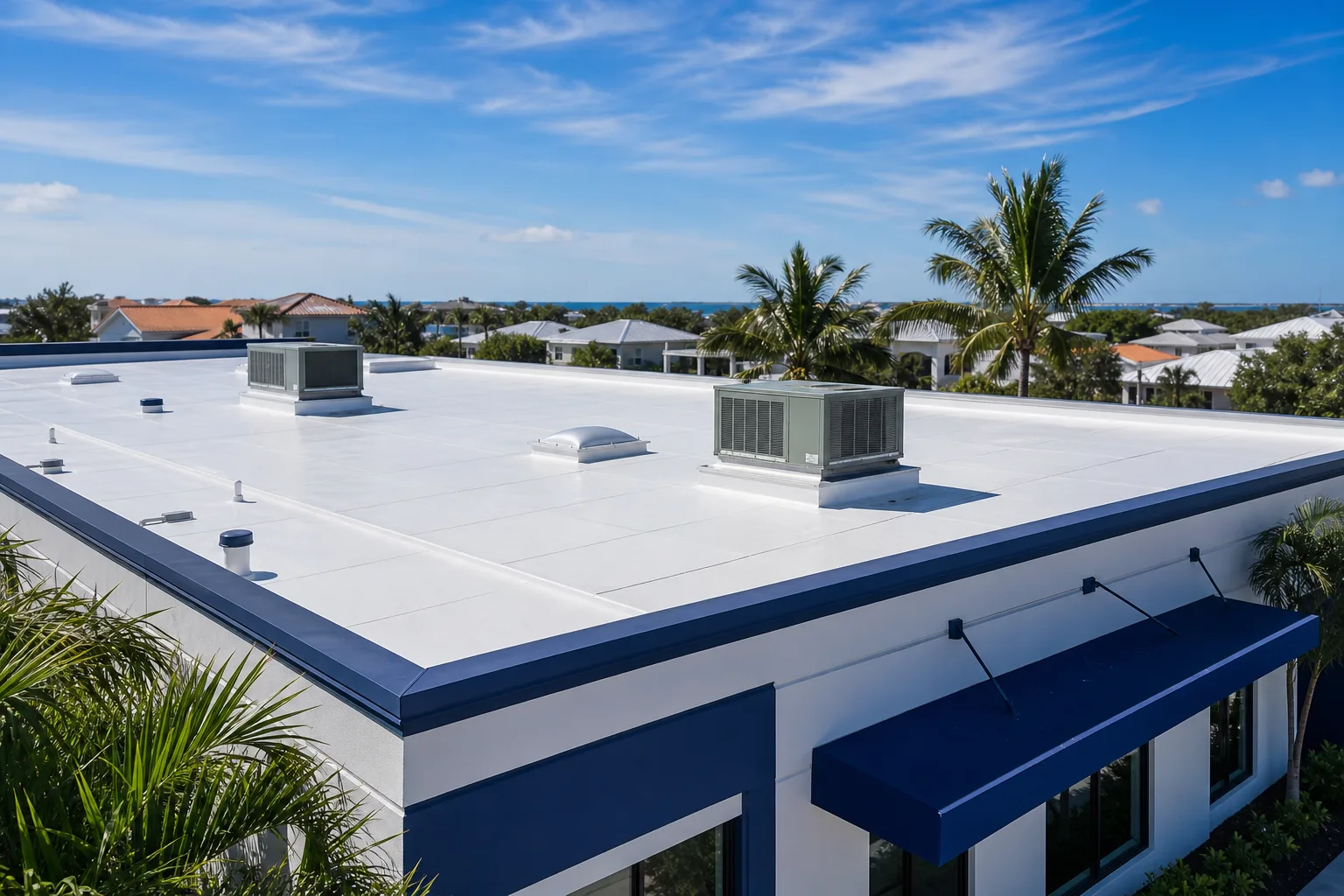
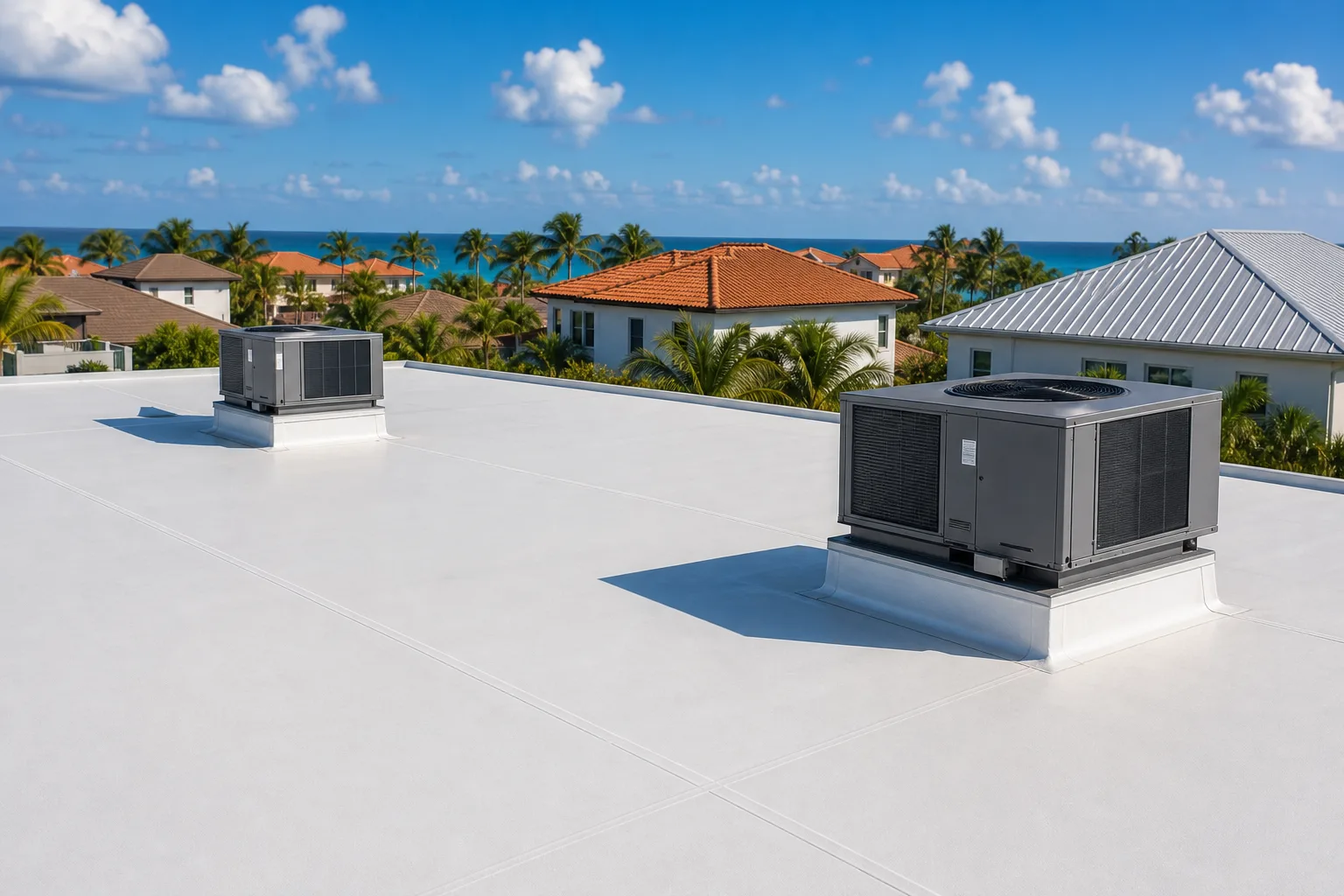
The material is made from a blend of polypropylene and ethylene-propylene rubber, which gives it both flexibility and heat resistance. Sheets are installed over insulation board on a flat or low-slope roof deck, then the seams are heat-welded together to create one continuous, watertight surface. Most TPO membranes come in white or light gray, which is intentional. The light color reflects sunlight instead of absorbing it, which matters a lot in a climate like South Florida's.
Why It Matters: Where TPO Fits on a Real Roof
As the inspection guy, I look at a lot of roof types in a given week, and TPO almost always shows up in the same places:
- Commercial flat roofs. Strip malls, office buildings, warehouses. TPO is one of the most common systems I see when I'm up on a commercial roof doing a condition assessment.
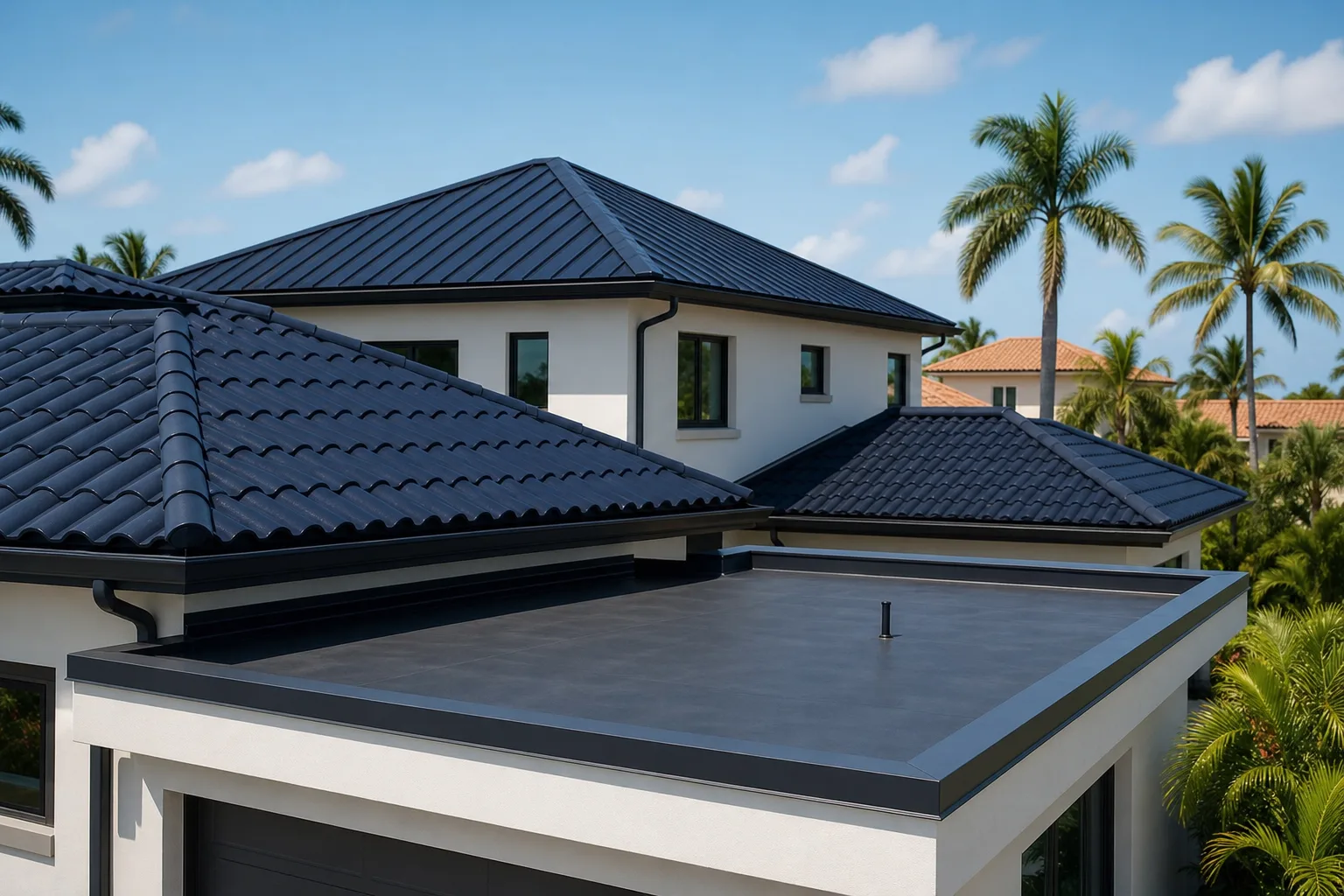
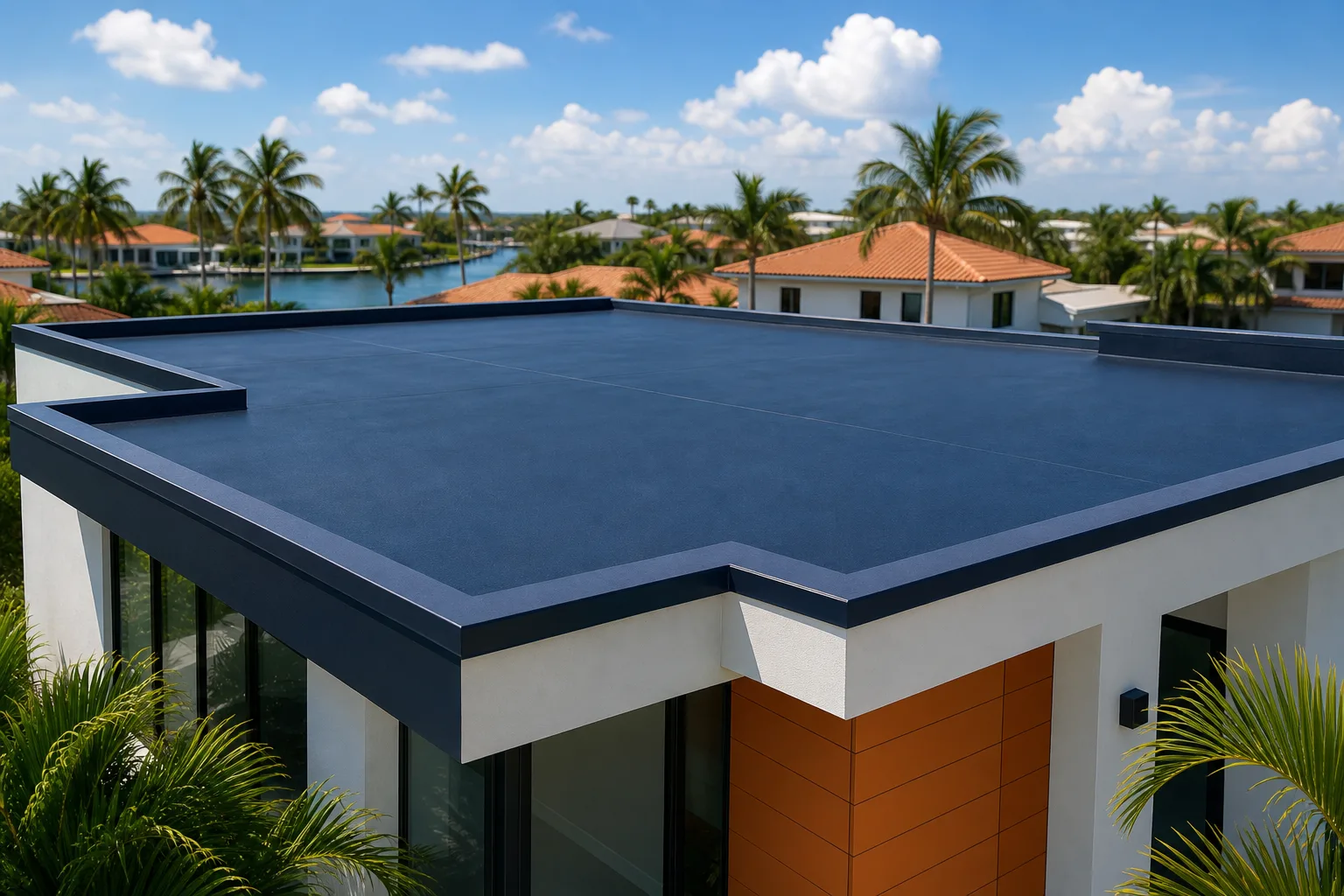
- Flat sections of residential homes. Additions, pool cabanas, porch roofs, or any low-slope section attached to a main house that otherwise has shingles or tile.
- Roof-over situations where a steep-slope material doesn't apply. You won't find TPO on a sloped roof meant for shingles or tile. It's built for flat and low-slope applications specifically.
Here's why the reflectivity matters when I'm estimating a job: a dark roof surface in direct Florida sun can run significantly hotter than a reflective one, and that heat transfers into the building below. A white or light-colored TPO membrane is chosen partly to reduce that heat load, which can ease the burden on air conditioning systems in commercial buildings especially.
The seam-welding part is also something I check closely during an inspection. Because TPO sheets are heat-fused at the seams rather than glued or nailed, a properly installed TPO roof has fewer potential leak points than some older built-up or modified bitumen systems. But "properly installed" is doing a lot of work in that sentence, more on that below.
What I Actually Check on a TPO Roof During an Inspection
When I'm walking a TPO roof for an estimate, here's my sequence:
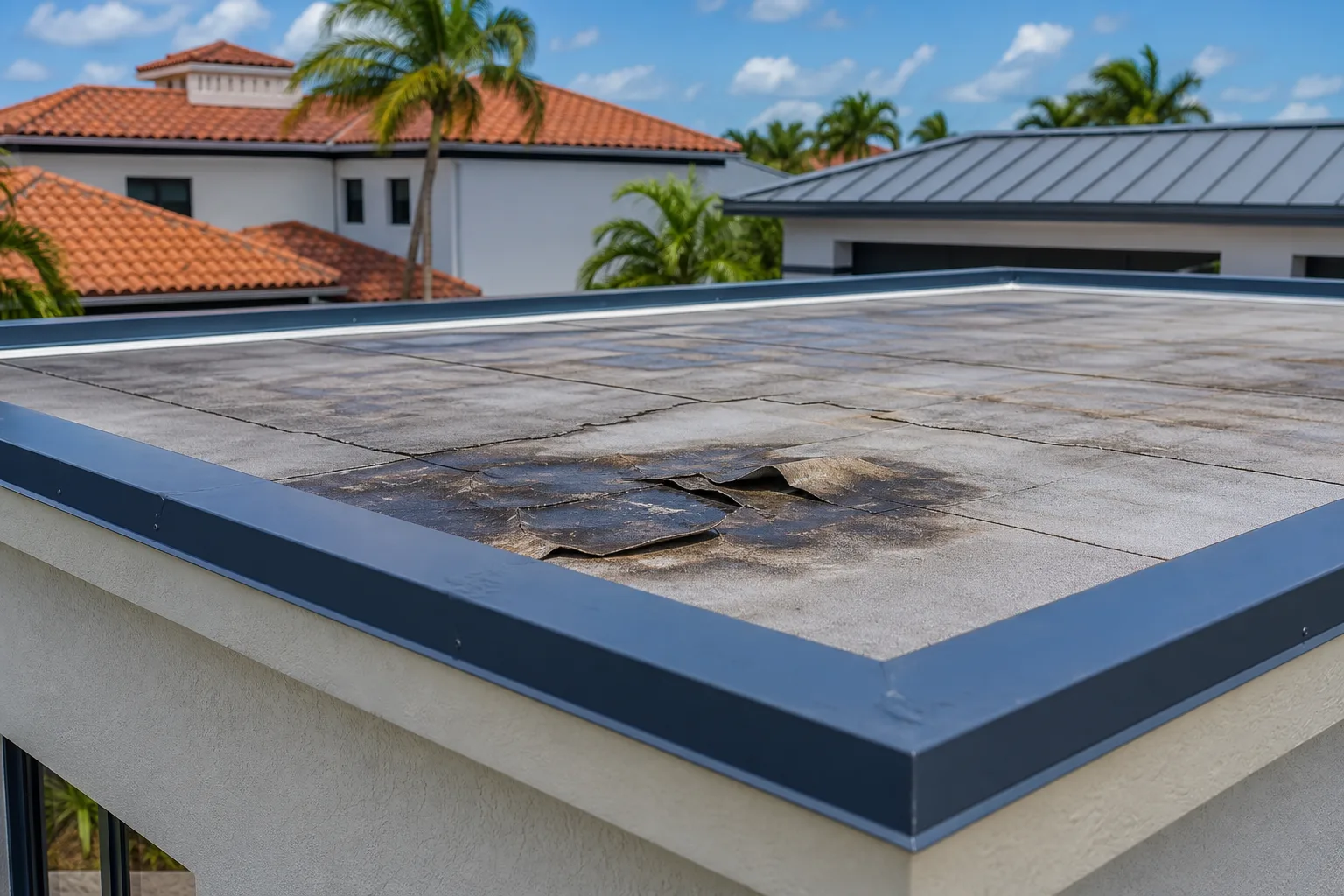
- Seam integrity. I check the welded seams for separation, bubbling, or any spot where the weld looks incomplete. This is the single most common failure point on single-ply membranes.
- Membrane surface condition. Looking for punctures, tears, or areas where foot traffic or debris have worn the surface thin.
- Flashing details. Where the TPO meets walls, curbs, pipes, or HVAC units. Transitions are where leaks start more often than the flat field of the roof itself.
- Ponding water. Flat roofs need proper slope to drainage points. Standing water that sits for extended periods can accelerate membrane wear and signal a drainage design issue, not just a material problem.
- Attachment method. Whether the membrane is mechanically fastened, fully adhered, or ballasted changes how it performs in wind, which is a real consideration this far south.
- Insulation board condition underneath, where accessible, since wet insulation under an otherwise intact membrane is a common hidden issue.
Want to know what your roof actually needs? Get a free estimate
What We Don't Know Yet: TPO Isn't One-Size-Fits-All
A few things worth being upfront about. TPO membrane thickness varies by manufacturer and product line, and thicker membranes generally hold up better to foot traffic and UV exposure over time, but exact lifespan depends heavily on installation quality, local climate exposure, and maintenance. If a bid you're comparing lists "TPO" without specifying membrane thickness (commonly measured in mils) or attachment method, that's a detail worth asking about rather than assuming.
Also, not every flat-roof problem is a TPO problem. Leaks around flat roof sections are frequently flashing or penetration issues rather than membrane failures, which is why I spend more time at transitions and penetrations than in the middle of the open field when I'm inspecting.
For general background on membrane roofing materials and how they're classified, the EPA's ENERGY STAR reflective roofing program is a reasonable outside reference if you want more on how reflective roofing is evaluated.
What to Do About It: Comparing TPO Bids Without Getting Fooled
If you're looking at quotes that mention TPO, here's how to compare them apples-to-apples:
| What to compare | Why it matters |
|---|---|
| Membrane thickness (mils) | Thicker membranes typically resist punctures and UV wear better |
| Attachment method | Mechanically fastened, fully adhered, or ballasted perform differently in wind |
| Seam welding method and warranty | Factory-welded seams vs field-welded, and what's covered if a seam fails |
| Insulation type and R-value underneath | Affects energy performance and moisture resistance |
| Manufacturer warranty vs workmanship warranty | Two separate things, both should be spelled out clearly |
If your roof is a steep-slope residential roof with shingles or tile, TPO likely isn't relevant to your main roof, though it could come up if you have a flat addition or porch section. For those situations, our metal roofs, tile roofs, and shingle roofs pages cover the materials more likely to apply to the main structure.
For commercial property owners dealing with an existing TPO roof or considering one, our commercial roofing page covers what we look at for flat and low-slope systems. If you've got a specific leak or seam concern right now, roof repairs is the faster path, and if you want a straightforward number to start comparing against other bids, you can get a free instant estimate or request a quote directly.
If a storm just came through and you're not sure whether your flat roof took damage, the Hurricane Storm Center is the place to start before climbing up there yourself.
Want to know what your roof actually needs?
Millennium Makeover has been roofing South Florida homes and businesses since 2005. Get a straight, no-pressure estimate from a licensed local crew (CCC1326328).
Frequently asked questions
Is TPO roofing used on houses or only commercial buildings?
TPO shows up mostly on commercial flat roofs, but it's also common on flat or low-slope residential sections like additions, cabanas, or porch roofs. It's not used on steep-slope sections meant for shingles or tile.
How is TPO different from EPDM rubber roofing?
Both are single-ply membranes, but EPDM is a rubber-based material typically black, while TPO is a reflective plastic-based membrane usually white or gray. Seaming methods also differ, TPO seams are heat-welded while EPDM often uses adhesive or tape.
Can TPO roofing be repaired or does it need full replacement when damaged?
Localized damage like a punctured seam or small tear can often be patched or re-welded without replacing the whole membrane. Whether repair or replacement makes sense depends on the extent of damage and the overall age and condition of the existing system.
Does TPO roofing help lower cooling costs in hot climates?
The reflective light-colored surface is designed to absorb less heat than darker roofing materials, which can reduce heat transfer into the building. The actual energy impact depends on the building's insulation, HVAC system, and overall design, so it varies by property.