How to Compare Roofing Estimates Without Getting Fooled

In this article
TL;DR: Not all roofing estimates say the same thing, even when the bottom-line numbers look similar. Read the scope of work carefully, check for material specs and permit language, and compare apples to apples before signing anything.
What You Need
- At least two or three written, itemized estimates (not ballpark quotes over the phone)
- The contractor's license number for each bidder (search it at myfloridalicense.com to verify active status)
- A basic understanding of your current roof: material type, approximate age, and any known problem spots
- A copy of any insurance claim or adjuster report if storm damage is involved
- About 30 to 45 minutes to read each estimate carefully, side by side
You do not need to be a roofer. You need to slow down and read what is actually written on the page.
Step 1: Check the License, Insurance, and Permit Language
Before you read a single line of pricing, look at the top of the document. A legitimate South Florida roofing contractor should have a state-issued license number printed on their estimate. Florida roofing work requires an appropriate active license; certified roofing contractors use CCC licenses, while registered contractors may work within authorized jurisdictions. If the license number is missing, request it and verify the license before hiring.
Next, look for insurance language. The estimate or accompanying documents should confirm the contractor carries general liability and workers' compensation. Ask for proof of workers' compensation coverage or a lawful exemption, and seek qualified advice about your exposure.
Finally, check whether the estimate explicitly includes permit fees or states that a permit will be pulled. In Palm Beach County, a permit is required for roof replacements. Any contractor who says permits are optional, or who suggests skipping one to save money, is steering you toward a problem. An unpermitted roof can complicate your homeowner's insurance coverage and create serious issues when you sell.
Step 2: Read the Scope of Work Line by Line
This is where most homeowners get tripped up. Two estimates can have the same total price but cover completely different work.
Look for answers to these specific questions in the written scope:
What is being removed? Full tear-off of existing roofing material is standard for most replacements. Some contractors will propose a recover, laying new material over old. In Florida's climate, a recover may be acceptable in specific situations, but you need to know that is what you are getting.
How many layers are coming off? If your home already has two layers of roofing, Applicable code may restrict recover work depending on roof type and condition; confirm the permitted scope with the building department. Make sure the estimate reflects actual field conditions.
What underlayment is specified? Underlayment is the membrane that goes under your tiles, shingles, or metal panels. The required underlayment depends on the roof system, applicable code, and product approval. A cheaper synthetic felt is not the same product. If the estimate just says "underlayment," ask which kind.
What happens to the decking? Most estimates include a note like "replace damaged decking as needed, billed at X per sheet." That is reasonable. What you want to avoid is a contractor who promises a flat price with zero mention of decking, because hidden sheathing damage may be discovered during tear-off. Ask how they handle it.
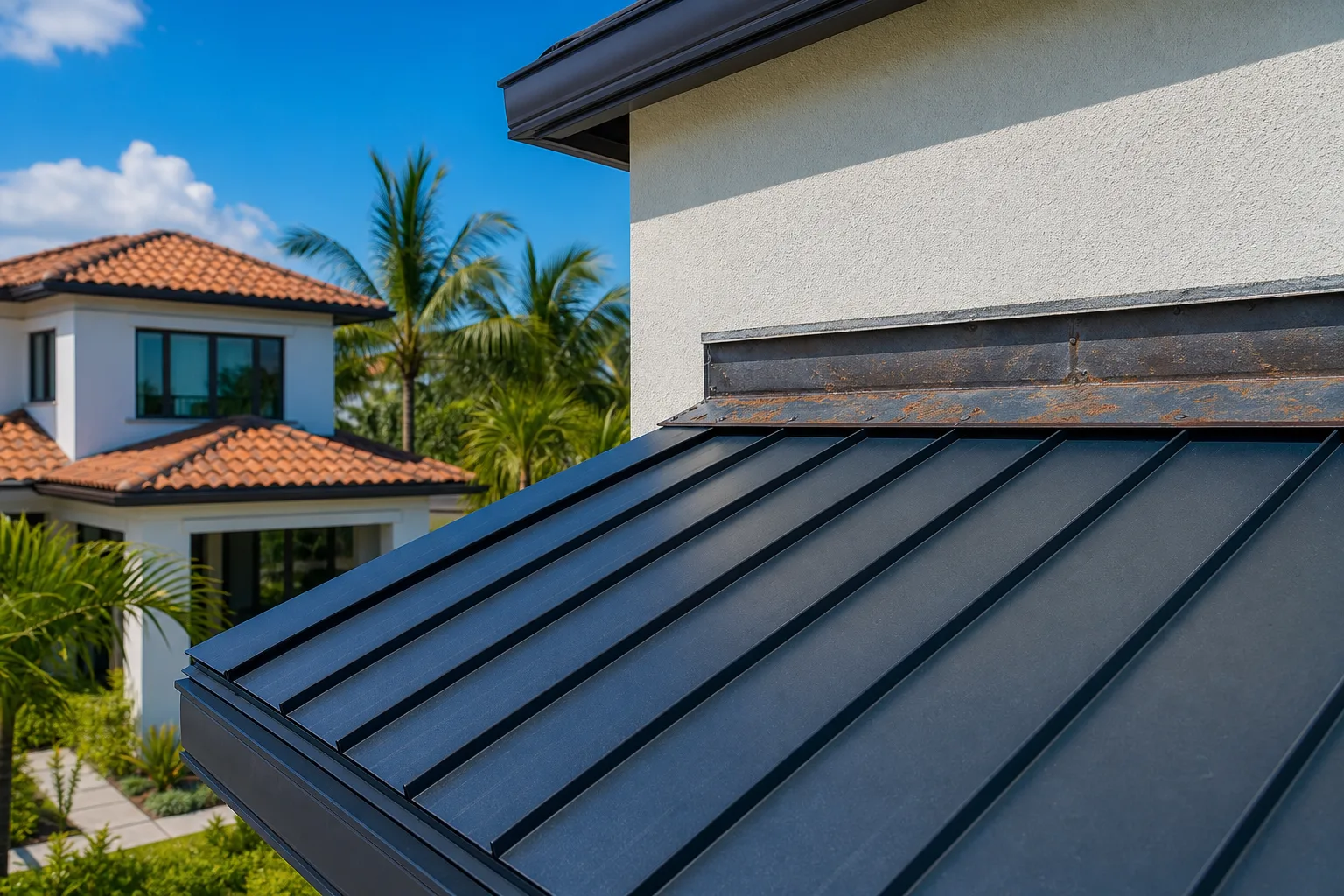
Are flashings included? Pipe boots, drip edge, valley metal, and chimney or skylight flashings should all be addressed. Replacing only the surface material while reusing 20-year-old rusted flashings is a shortcut that will cause leaks.
For a deeper look at what a proper site review involves, the post on what happens during a professional roof inspection walks through each of those checkpoints in detail.
Step 3: Confirm the Material Specifications
The estimate should name the brand and product line of every major material, not just the category.
For shingles, look for the manufacturer name, the product line, the wind rating, and the warranty class. A 3-tab shingle and an architectural shingle are not the same product at the same price point. Neither is a basic architectural and a Class 4 impact-resistant shingle. If the estimate says "30-year shingle," ask which one.
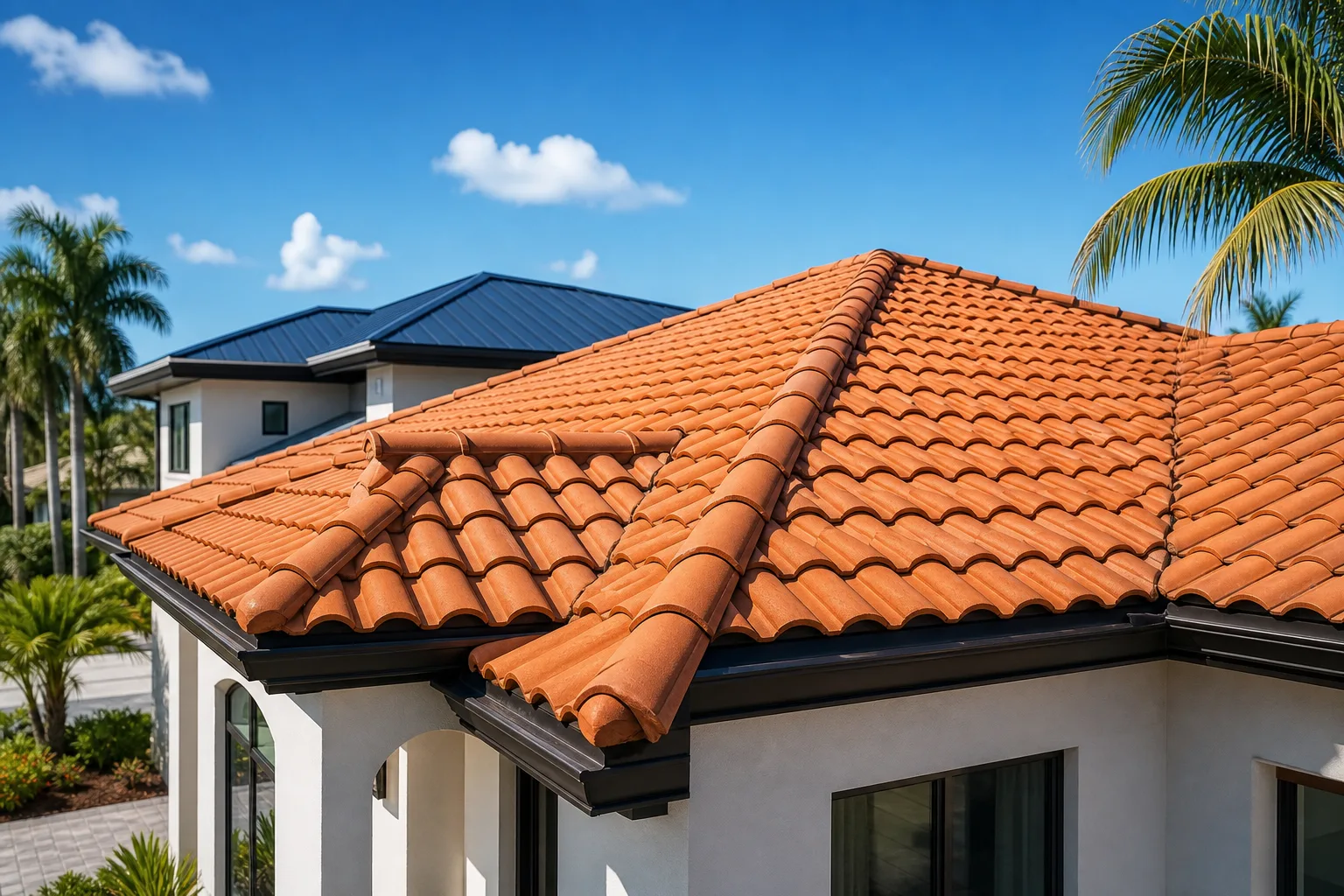
For tile, confirm whether the estimate is for concrete or clay, the profile (flat, low-barrel, S-shape), and the color. Tile is a significant investment and the options vary considerably in cost and long-term performance. You can get more background on what drives those differences at our tile roofs page.
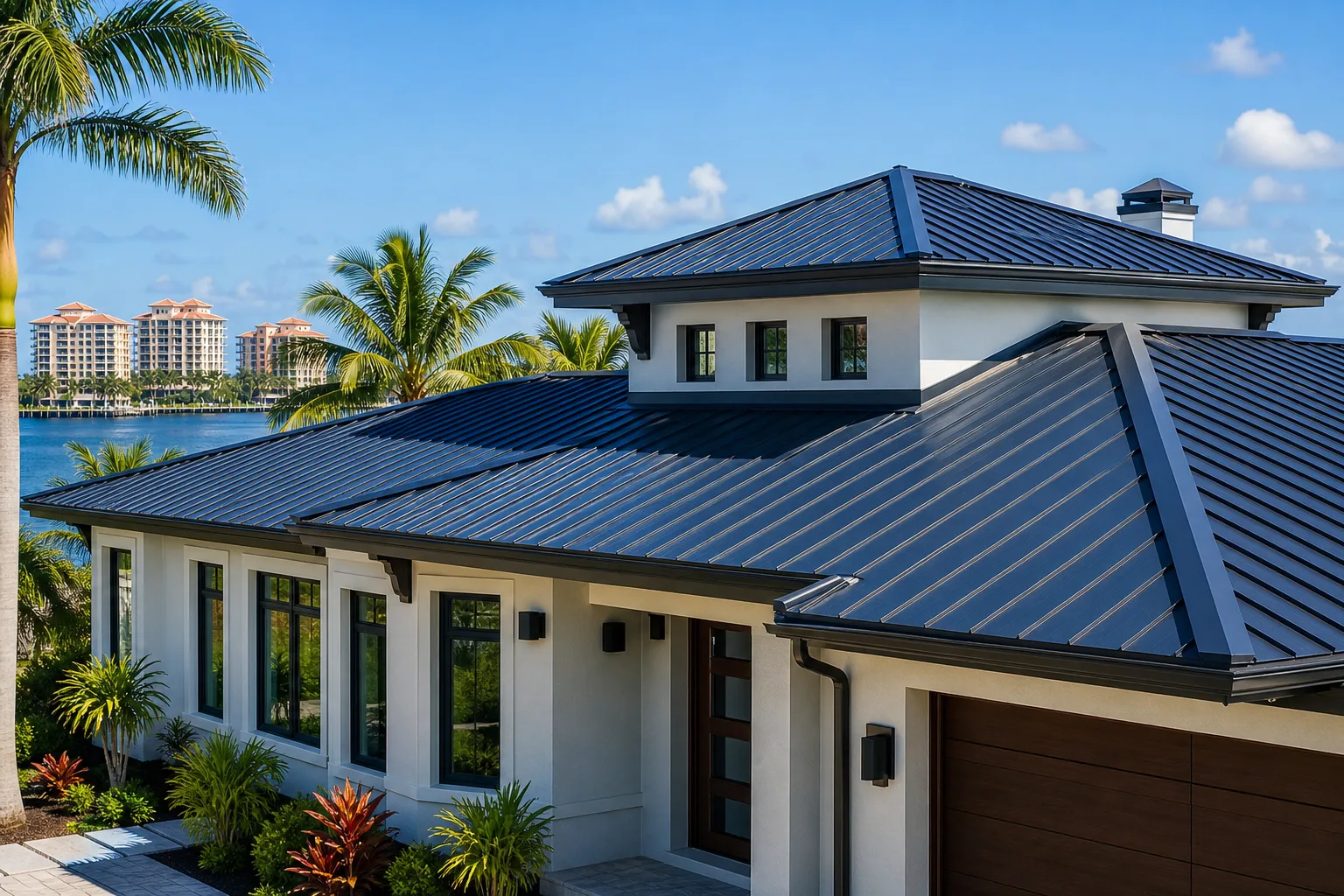
For metal, confirm the gauge, the panel system (standing seam versus exposed fastener), and the coating. A 26-gauge standing seam and a 29-gauge corrugated panel are not comparable products. Details on what to expect from a metal installation are on our metal roofs page.
If gutters are part of the project, confirm the gauge of the aluminum, the width (5-inch versus 6-inch), and whether downspouts and hangers are included. Our gutters page covers what a complete installation should involve.
Want to know what your roof actually needs? Get a free estimate
Step 4: Understand What Is Driving the Price Difference
Once you have confirmed that two estimates are covering the same scope and materials, you can start to understand why prices differ.
Some legitimate factors that change cost:
- Roof complexity. More valleys, hips, dormers, and penetrations mean more labor and more material waste. A flat, simple gable roof is cheaper to work on than a complex hip roof with multiple skylights.
- Access and staging. A single-story home on a flat lot is easier to stage than a two-story house with landscaping that requires protection.
- Disposal fees. Tear-off generates a lot of debris. Some contractors include dumpster and haul-off; others line-item it separately or quietly skip it.
- Warranty terms. A longer manufacturer's warranty often requires certified installer status and higher-tier materials.
- Company overhead. Compare each contractor's licensing, insurance, supervision, warranty, and scope; overhead alone does not establish value.
For context on what full replacement projects actually run in this market, the post on new roof costs in Palm Beach County has a realistic breakdown.
Step 5: Ask the Right Questions Before You Sign
Once you have read each estimate carefully, a short conversation with each contractor will tell you a lot.
Ask:
- Who is actually doing the installation, your crew or subcontractors?
- What is the start date and realistic completion window?
- How do you handle discovered decking damage in terms of authorization and billing?
- What does the workmanship warranty cover and for how long?
- Will you provide a lien waiver at project completion?
A contractor who gets impatient with these questions or gives vague answers is showing you something about how the job will go.
If you want to get a straight-talking starting point before you begin collecting bids, our free instant estimate tool gives you a real range for your roof type and size.
Common Mistakes
Choosing by price alone. The lowest number often reflects the thinnest scope. A bid that skips decking inspection, uses cheaper underlayment, and pulls no permit can look great on paper and cost you significantly more in two years.
Comparing totals without comparing scopes. If one estimate includes new flashings and one does not, you are not comparing the same job. Line up the scopes first, then the numbers.
Ignoring the payment schedule. Requiring full payment upfront before work begins is a red flag. A reasonable schedule is a deposit at signing, progress payments tied to milestones, and a final payment after inspection and cleanup.
Not verifying the license. Unlicensed contractors operate throughout South Florida. The how to spot storm-chaser roofing companies post covers how some of them operate after major storms, but the same verification steps apply year-round.
Skipping the manufacturer warranty registration step. Check whether the product warranty requires registration and who will handle it; requirements differ by manufacturer.
Letting urgency pressure your decision. If a sales rep is pushing a same-day signature to hold a price, slow down. Legitimate contractors do not typically rescind written estimates the next day.
Bottom Line
Comparing roofing estimates is mostly a reading exercise. Scope of work, material specs, permit language, and payment terms tell you more than the bottom-line number does.
Take the time to line up each estimate category by category. Ask questions when something is missing or vague. Verify the license. And remember that the contractor you choose will be on your roof for several days and their work will be there for decades.
If you are in Boynton Beach, Delray Beach, West Palm Beach, Boca Raton, or Lake Worth and want an estimate from a contractor who will actually explain every line, you can request a quote here or reach us directly on the contact page. We have been doing this since 2005 and we are happy to walk through your bids with you even before you decide.
Want to know what your roof actually needs?
Millennium Makeover has been roofing South Florida homes and businesses since 2005. Get a straight, no-pressure estimate from a licensed local crew (CCC1326328).
Frequently asked questions
How many roofing estimates should I get in South Florida?
Three estimates are a practical starting point when time allows. Getting at least two lets you compare scope and pricing. Get enough comparable bids to understand scope and pricing. What matters more than the number of estimates is how carefully you read each one.
What should a roofing estimate include at minimum?
A complete estimate should include the contractor's license number, a detailed scope of work covering tear-off, underlayment, materials with brand and specs, flashings, decking language, and permit fees. Payment terms and a project timeline should also be written out. A one-page estimate with a single total number is not enough detail to make a good decision.
Is it a red flag if a roofing contractor does not pull a permit?
Yes, in most cases. Florida law requires permits for roof replacements, and Palm Beach County enforces this. An unpermitted roof may not pass a final inspection, can create problems with your homeowner's insurance, and can complicate a future home sale. Any contractor suggesting you skip a permit to save money or speed things up is not looking out for your interests.
Why is the cheapest roofing estimate sometimes the most expensive choice?
A low bid often gets there by cutting scope, using lower-tier materials, skipping flashings, or not including permit fees. You may not discover those shortcuts until you have a leak or a failed inspection. When a bid is significantly lower than others, the right response is to ask exactly what is different in the scope, not to sign it immediately.
What is the difference between a roofing estimate and a roofing contract?
An estimate outlines the proposed scope and pricing before you commit. A contract is the binding agreement you sign before work begins and should include everything from the estimate plus start and completion dates, warranty terms, lien waiver language, and a clear payment schedule. Never let work start without a signed contract in hand.
How do I verify a roofing contractor's license in Florida?
You can check any contractor's license status at the Florida Department of Business and Professional Regulation website at myfloridalicense.com. Search by the license number printed on their estimate or by the company name. Confirm the license is active, that the category matches roofing, and that the name on the license matches the company you are hiring.